Human Rights panel calls crisis inquiry into solid-waste disposal in Thiruvananthapuram
The Kerala State Human Rights Commission (KSHRC) has described the solid-waste disposal system in the Thiruvananthapuram City Corporation as a “huge crisis” and appointed former chief secretary S M Vijayanand as a special rapporteur-cum-special monitor to conduct a comprehensive assessment of waste-management failures and to recommend corrective measures, the commission said on Tuesday.
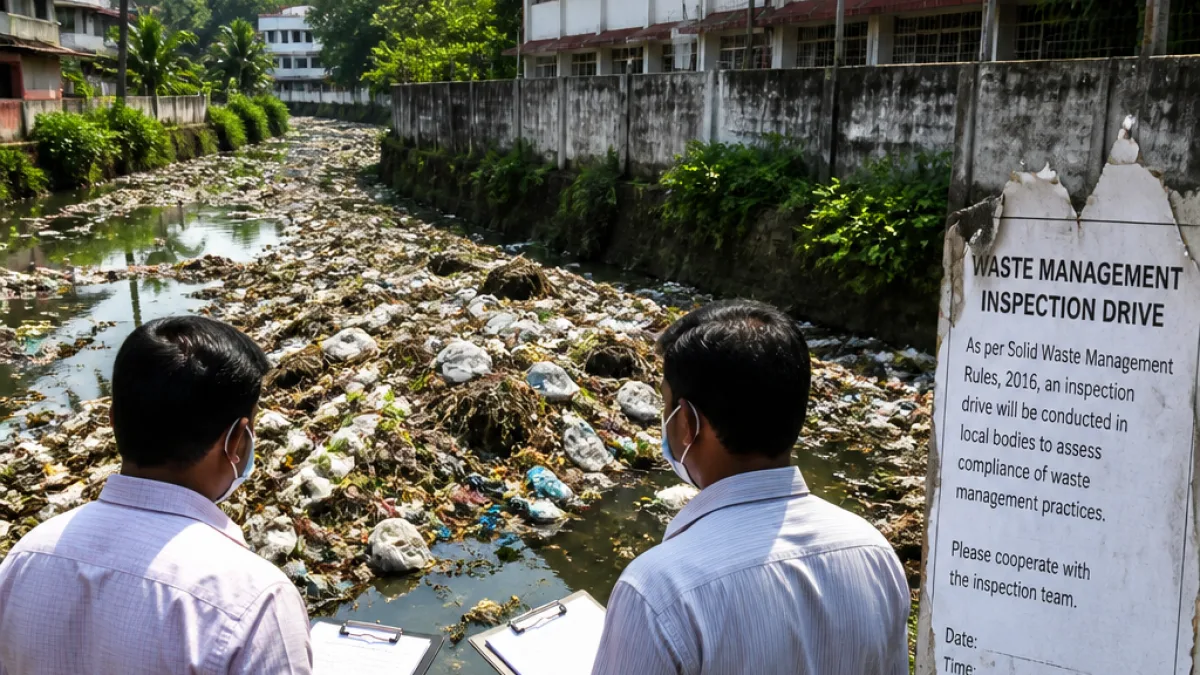
The intervention follows widespread reporting of accumulated waste in public spaces, drains, canals and water bodies within the corporation limits. The KSHRC initiated the action as a suo-motu case on the basis of newspaper reports, the order stated.
Focus on canals, drains and illegal dumping hotspots
The special rapporteur will examine complaints of large-scale illegal dumping at multiple locations across the city. The inspection will specifically cover Pazhavangadi Canal, Thekkanamkara Canal and Amayizhanchan Thodu, and will include scrutiny of the cleaning regimes for drains adjacent to public roads.
The commission’s order noted that canals and water bodies had been filled with substantial quantities of waste, including plastic, and pointed out that Pazhavangadi and Thekkanamkara canals had become major carriers for illegally dumped refuse. It also flagged the absence of regular maintenance and cleaning of roadside drains.
"The solid-waste disposal system in the Thiruvananthapuram city corporation [is] a huge crisis," the KSHRC said in its order.
Experts appointed; civic documentation sought
Alongside Vijayanand, the commission has appointed two technical experts to assist the probe: R Ajay Kumar Varma, former chief scientist at the National Centre for Earth Science Studies and former executive director of Suchitwa Mission; and N Jagajeevan, a waste-management consultant with Suchitwa Mission. The trio will inspect sites and examine systemic failures, the order added.
The commission has directed the corporation secretary to submit comprehensive details of existing waste-management programmes for review by the special rapporteur. The documentation requested includes information on human resources, infrastructure and financial particulars related to the civic body’s waste handling arrangements.
- Probe initiated suo-motu by KSHRC following media reports.
- Special rapporteur S M Vijayanand to assess illegal dumping and maintenance lapses.
- Technical inputs to be provided by experts from Suchitwa Mission and NCESS.
| Location | Issue cited by KSHRC |
|---|---|
| Pazhavangadi Canal | Large quantities of illegally dumped waste, including plastic; major waste carrier |
| Thekkanamkara Canal | Reportedly carrying substantial dumped refuse; flagged as hotspot |
| Amayizhanchan Thodu | Included in inspection list for illegal dumping and cleanliness checks |
The commission had earlier directed corporation officials and the local self-government department (LSGD) to carry out inspections and enquiries and to take effective action. The latest order strengthens oversight by placing an experienced administrative officer and two technical experts at the centre of a focused inquiry.
Local implications and next steps
Residents and civic activists in Thiruvananthapuram have for some time raised concerns about waste accumulating in public spaces and choking drains and waterways. Accumulated solid waste in canals and drains can impede stormwater flow and increase the risk of flooding in heavy monsoon spells, as well as degrade water quality and local ecology.
By calling for full disclosure of human resources, infrastructure and funds allocated for waste management, the KSHRC has signalled an interest in both operational and governance aspects of the issue. The special rapporteur’s findings and recommendations are likely to touch on enforcement against illegal dumping, frequency and methods of drain and canal cleaning, and the adequacy of the corporation’s waste-processing and disposal capacity.
The KSHRC order did not set a public deadline for the inspection or submission of the documents by the corporation secretary. The commission has placed the probe under close oversight and the involvement of independent technical experts is intended to provide an evidence-based appraisal of causes and remedies.
Further developments will depend on the special rapporteur’s field inspection and the corporation’s response to the commission’s directions.