Assistant professor at Kozhikode Medical College Hospital discovered dead; investigation under way
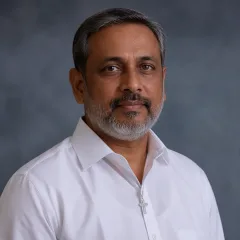
KOZHIKODE: An assistant professor attached to Kozhikode Medical College Hospital was found dead at his residence in KSHB Colony near the medical college on Friday morning, police said. The deceased has been identified as Dr Nikhil Chandran, 34, a native of Thenhipalam in Malappuram, who worked in the department of biochemistry at the medical college hospital, according to media reports.
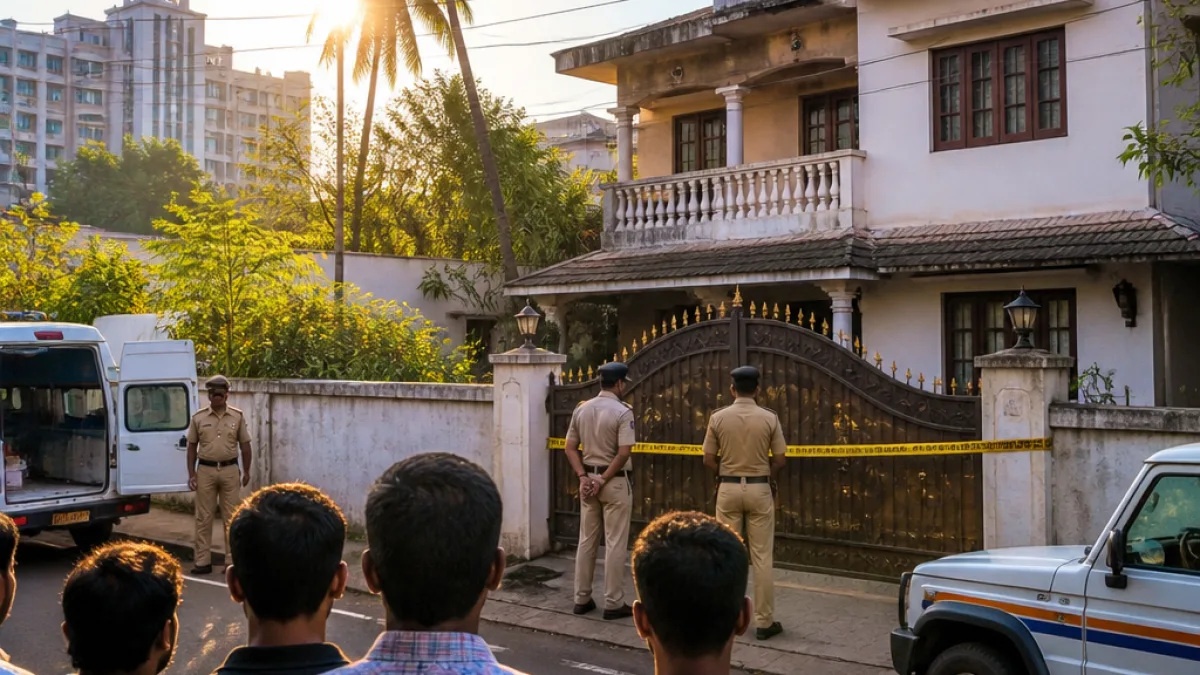
Friends of Dr Chandran, who became concerned after he failed to report for duty and could not be contacted, went to his house and discovered the entry locked. They alerted Medical College police, who forced entry and found him hanging inside the residence, the reports said. Following standard procedures, the body was removed and taken to the Kozhikode Medical College mortuary for further examination.
- Victim: Dr Nikhil Chandran, 34, assistant professor, Department of Biochemistry
- Location found: Residence in KSHB Colony, near Kozhikode Medical College
- Action taken: Police broke open the door, recovered the body and shifted it to the medical college mortuary
- Investigation: Probe is on; exact circumstances not yet established
"A probe is on as the exact circumstances leading to his death haven’t been established yet," police said, according to reports.
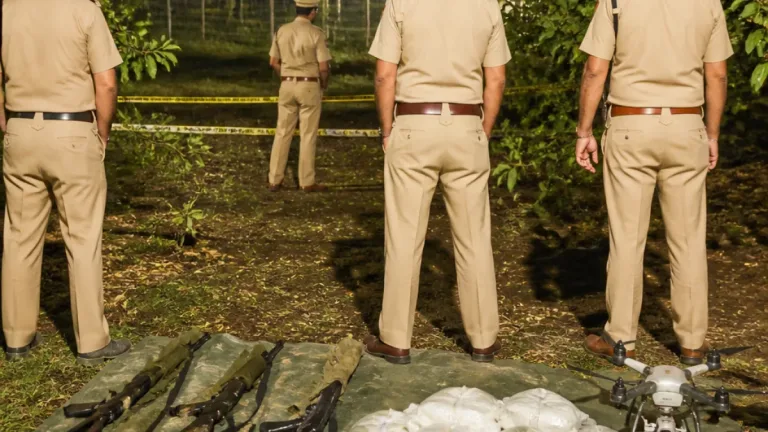
Officials from the Medical College police station attended the scene on being alerted by Dr Chandran’s friends. Media accounts said the police completed necessary on-site procedures before transferring the body to the mortuary for post-mortem and further medico-legal formalities. The nature of those procedures and whether a post-mortem has been completed were not specified in the initial reports.
The incident has prompted questions within the medical college campus. Assistant professors form a core part of postgraduate training and clinical services at the hospital. A sudden death of a faculty member is bound to have an effect on colleagues, students and laboratory services, particularly in a specialised department such as biochemistry where daily reporting and teaching duties are integral.
Kerala has a strong public-health and institutional framework for responding to sudden deaths, especially those involving medical personnel. In similar cases, the police typically register an unnatural-death report and await the post-mortem findings to determine whether foul play, self-harm, or natural causes are involved. The police statement as cited by media emphasised that investigations are continuing to establish the exact circumstances.
| Item | Detail |
|---|---|
| Department | Biochemistry |
| Age | 34 |
| Place found | KSHB Colony residence, near Medical College |
| Action | Body shifted to medical college mortuary; probe under way |
Local law-enforcement sources said the next steps include a formal post-mortem examination and collection of statements from family members, colleagues and anyone who had recent contact with the deceased. Any medical records or evidence from the residence will also form part of the inquiry, officials said.
The medical college administration had not issued a public statement at the time of the initial reports. Faculty and students typically await the outcome of the police and hospital procedures before the institution makes formal announcements that could include counselling arrangements or adjustments to departmental duties.
The case serves as a reminder of the need for robust support systems for healthcare workers. While the precise cause behind Friday’s death remains to be determined, officials emphasised that investigations will follow established legal and medical protocols to arrive at a definitive conclusion.
Further updates will depend on the completion of the post-mortem and the findings of the police inquiry, according to media accounts of the incident.