State launches kidney transplantation; two patients operated on Independence Day
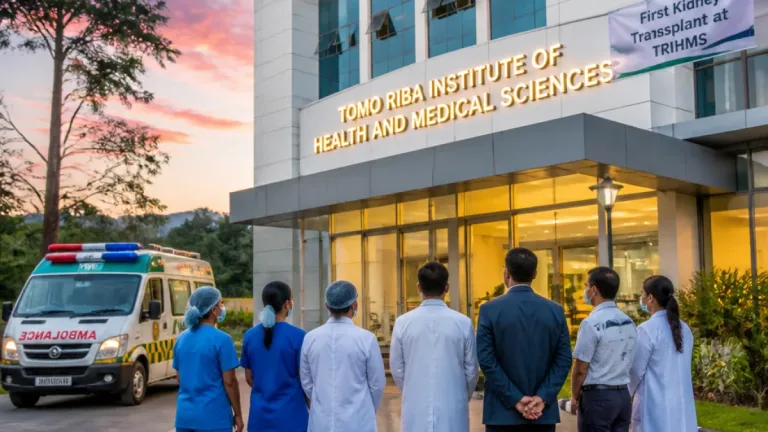
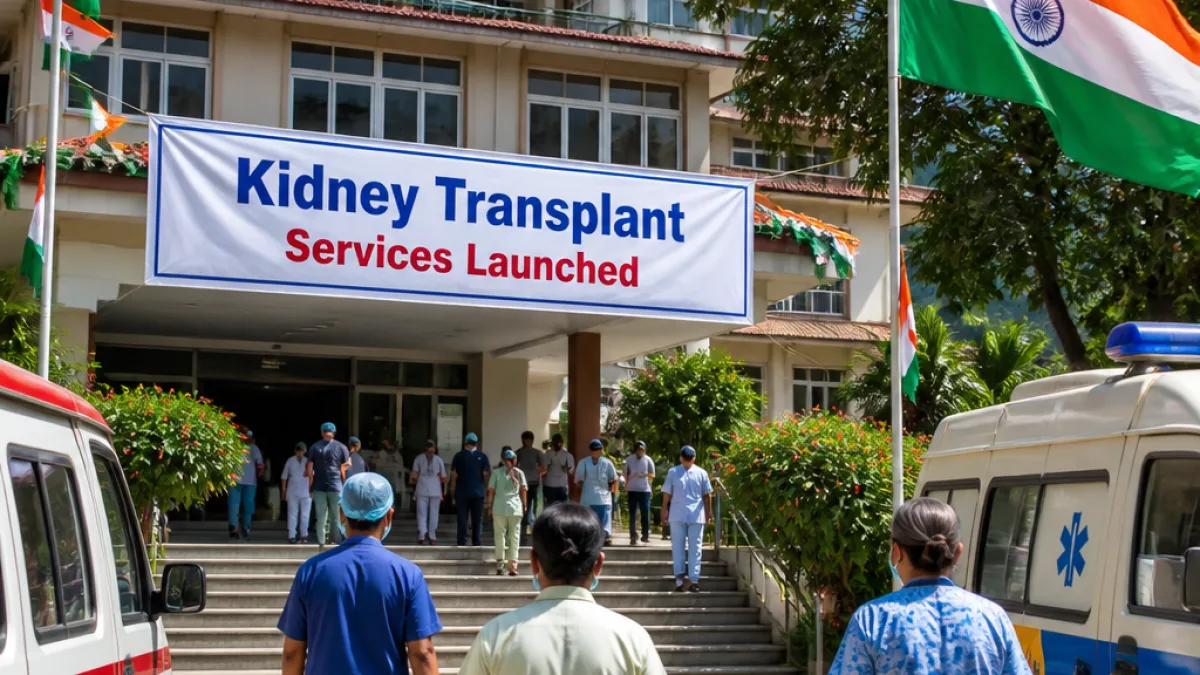
Gangtok, Aug 15: Sikkim has started performing kidney transplant procedures in the state, a development Chief Minister Prem Singh Tamang (Golay) described on Saturday as a historic moment for Sikkim’s healthcare system. He said the new service would substantially reduce the financial, physical and emotional strain on patients who previously travelled outside the state for treatment.
The Chief Minister made the remarks during the state’s 80th Independence Day celebrations, where he said two state patients were already undergoing kidney transplant operations on the day. He thanked the Health Department and medical teams for preparing to introduce the service locally.
“This is a very big achievement for us,” Tamang said, adding praise for doctors, nurses, technicians and other healthcare workers involved.
According to the state leadership, the surgeons slated to perform transplants completed multiple rounds of specialised training ahead of the programme’s launch. The government highlighted that offering transplantation within Sikkim will spare many families long stays away from home, and eliminate repeated travel to metropolitan hospitals for complex renal care.
Why in-state transplants matter
Until now, kidney patients from Sikkim frequently sought transplants and related specialist care in centres outside the state, including hospitals in Kolkata, Delhi and Vellore. Although the state government has provided financial assistance for such treatments, relatives often had to remain away from Sikkim for weeks or months — adding to non-medical expenses and emotional difficulties, the Chief Minister noted.
- Two state patients were reported to be undergoing transplant procedures on Independence Day.
- Surgeons and supporting staff completed specialised training before service launch.
- The state cited rising diabetes as a contributor to increasing kidney disease requiring advanced care.
The launch signals an expansion of tertiary healthcare services in Sikkim and may allow earlier access to transplantation for eligible patients, reducing delays that can worsen outcomes. The government also said the move would lower outflow of patients and associated costs of prolonged stays in other cities.
Training and readiness
Officials emphasised that the transplant programme was introduced after capacity-building efforts. Medical teams — including surgeons, nurses and technical staff — underwent rounds of focused training to build competence in pre-operative assessment, operative technique, post-operative care and maintenance of transplant immunology protocols.
While the Chief Minister praised the health workforce broadly, the state did not immediately provide detailed information on the names of the hospitals where transplants were performed, the operating surgeons, or the transplant programme’s long-term capacity such as annual targets or infrastructure upgrades.
Clinical background and public health context
Health authorities noted a rise in diabetes cases in the state and cautioned that uncontrolled diabetes can lead to chronic kidney disease and eventual renal failure in some patients. Establishing transplantation services complements dialysis and other renal care by offering a potential long-term treatment option for end-stage renal disease, subject to clinical eligibility and donor availability.
Medical experts generally underscore that successful transplant programmes require not only surgical expertise but robust systems for donor evaluation, immunosuppression management, infection control and long-term follow-up. The state administration said these aspects were part of the preparatory training for the clinical teams.
Practical implications for patients
For families, in-state transplants can mean lower travel-related costs, shorter separation from support networks and easier access to follow-up care. However, patients awaiting transplantation typically need comprehensive assessments and must meet clinical and regulatory criteria before being listed for surgery. The government’s announcement did not specify eligibility protocols, out-of-pocket costs or whether state financial assistance will be extended to cover transplants performed within Sikkim.
| Aspect | Current public details |
|---|---|
| Number of patients operated | Two patients on Independence Day |
| Training status | Surgeons completed multiple rounds of specialised training |
| Prior referral destinations | Hospitals in Kolkata, Delhi, Vellore and other cities |
The state is expected to release further operational details — including hospital names, programme leadership, patient selection criteria and financial arrangements — as the service becomes established. Meanwhile, the Chief Minister’s office said the Health Minister, Health Secretary and the wider medical team were to be credited for enabling the service.
As Sikkim moves to expand tertiary care capacity, monitoring of transplant outcomes and transparent reporting will be important to ensure patient safety and public confidence in the new service.