
Expert monitor named after SHRC takes suo motu cognisance of overflowing waste in city canals
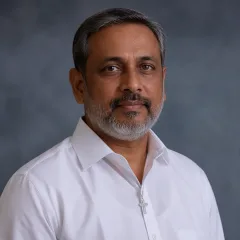
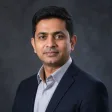
The State Human Rights Commission (SHRC) has appointed former Kerala Chief Secretary S.M. Vijayanand as a special rapporteur‑cum‑special monitor to assess and advise on solid waste management in Thiruvananthapuram, the commission said on Tuesday. The move follows suo motu proceedings initiated in July after municipal drains and waterways were found to be choked with large volumes of dumped waste, including plastics.
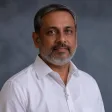
The SHRC said Mr. Vijayanand will be assisted by a two‑member team of domain experts: R. Ajayakumar, former chief scientist at the National Centre for Earth Science Studies and former executive director of Suchitwa Mission, and N. Jagajeevan, a waste management consultant associated with Suchitwa Mission. All three will perform the assignment on a pro bono basis, the commission added.
For ensuring a proper assessment and evaluation of various problems and for an appropriate solution‑centred approach, the service of a domain expert was required, the SHRC chairperson Alexander Thomas observed.
The commission initiated the proceedings after noting widespread illegal dumping across the city. It specifically cited the Pazhavangadi and Thekkanamkara canals among the waterways that had become ‘huge waste carriers’. The SHRC also recorded that drainages adjacent to public roads were not being cleaned regularly.
Scope and directives
The SHRC had on July 6 directed functionaries of the Thiruvananthapuram Corporation and the Principal Director, Local Self‑Government Department (LSGD), to carry out inspections and take effective action. In its latest order, the commission has asked the Corporation to furnish detailed information on existing waste management programmes, including human resources, infrastructure and financial details.
- The appointment aims to evaluate collection, transportation and disposal systems operated by the Corporation.
- Review will include illegal dumping hotspots, canal and drainage maintenance, and resource allocation.
- The expert team will advise on remedial and preventive measures and monitor implementation.
The SHRC’s decision to bring in an external monitoring team reflects concern that municipal arrangements have been inadequate to prevent environmental and public‑health hazards arising from accumulated waste. The commission emphasised a solution‑oriented approach and the need for technical domain knowledge to frame corrective measures.
Who will assist the monitor
Details provided by the commission list the two domain experts who will support Mr. Vijayanand:
| Expert | Background |
|---|---|
| R. Ajayakumar | Former chief scientist, National Centre for Earth Science Studies; former executive director, Suchitwa Mission |
| N. Jagajeevan | Waste management consultant, Suchitwa Mission |
The commission has also asked the Thiruvananthapuram Corporation to provide all relevant data concerning the current waste management framework. This includes staffing strength, equipment and vehicles, processing and disposal infrastructure, budgetary allocations and any ongoing contracts with private service providers.
Local civic groups and residents had earlier flagged accumulation of solid waste in open drains and canals, warning of heightened risk to public health, flooding during heavy rains and ecological damage to water bodies. The SHRC’s intervention signals an escalation from municipal complaints to a rights‑based oversight, positioning technical recommendations from the monitor as a possible precursor to enforceable directives.
How the Corporation responds and the timeline for the expert team’s review were not specified in the commission’s order made public on Tuesday. The SHRC indicated that the monitoring exercise will aim at both immediate corrective action and medium‑term institutional reforms to prevent recurrence.
The development will be closely watched by residents and environmental groups in Thiruvananthapuram, who have pressed for improved collection services, stricter enforcement against illegal dumping and investment in decentralised processing facilities.