Jaipur, August 13: A state-level lottery to determine reservation of mayoral and chairperson posts across Rajasthan’s urban local bodies on Thursday has reshaped the immediate electoral landscape ahead of municipal polls.
Major mayoral posts left unreserved; six cities reserve women mayors
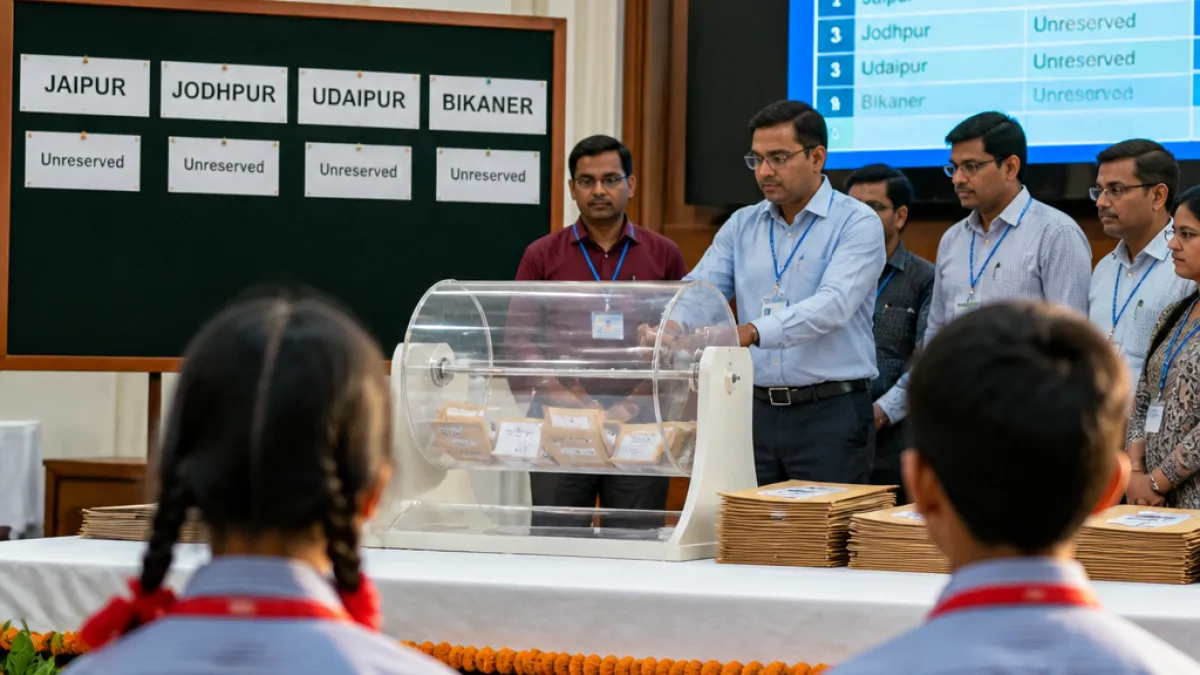
The draw, held at the Department of Local Self-Government, finalised the reservation status for heads of all 309 urban local bodies in the state. In a development likely to sharpen contests among general-category aspirants, the mayoral positions in Jaipur, Jodhpur, Udaipur and Bikaner were declared unreserved.
At the same time, the lottery assigned mayoral reservations for women in six important cities: Alwar, Ajmer, Bhilwara, Kota, Pali and Bharatpur. The outcome is expected to prompt parties to refocus candidate selection and campaign planning in those municipal corporations.
How the lottery was conducted
Two schoolchildren drew the lots at the departmental venue in the presence of Urban Development and Housing Minister Jhabar Singh Kharra. The process was a routine exercise under state rules to determine which posts will be reserved for Scheduled Castes (SC), Scheduled Tribes (ST), Other Backward Classes (OBC) and women, and which will remain unreserved.
Officials said the draw settles the reservation map that political parties and local stakeholders must now use while assessing prospective candidates and ground-level arithmetic for the upcoming civic polls.
Reservation breakdown
State officials provided a breakdown of reserved posts across the 309 urban bodies. The principal figures are set out below:
| Category | Number of posts |
|---|---|
| Scheduled Castes (SC) | 50 (including 16 SC women) |
| Scheduled Tribes (ST) | 11 (including 3 ST women) |
| Other Backward Classes (OBC) | 60 (including 21 OBC women) |
| Unreserved | 188 posts (of which 62 are assigned to women) |
Political implications across the state
The reservation pattern will influence where parties concentrate resources and which aspirants they elevate. With four major mayoral posts in the general category, competition in those urban centres is likely to intensify among candidates not covered by reservation criteria.
Conversely, the six cities earmarked for women may prompt parties to scout and project strong local female leaders, and could reconfigure alliances, particularly where local caste equations intersect with gender reservation quotas.
Practical effect for parties and voters
- Parties must now finalise candidate lists in line with the lottery results; aspirants in reserved seats will be limited to candidates meeting category and gender criteria.
- Local party units will undertake fresh assessments of winnability and grassroots support where reservations have shifted the contest dynamics.
- Voters should expect the nomination process and campaigning to accelerate in the coming weeks as ticket distributions and seat-sharing talks proceed.
Administrative note
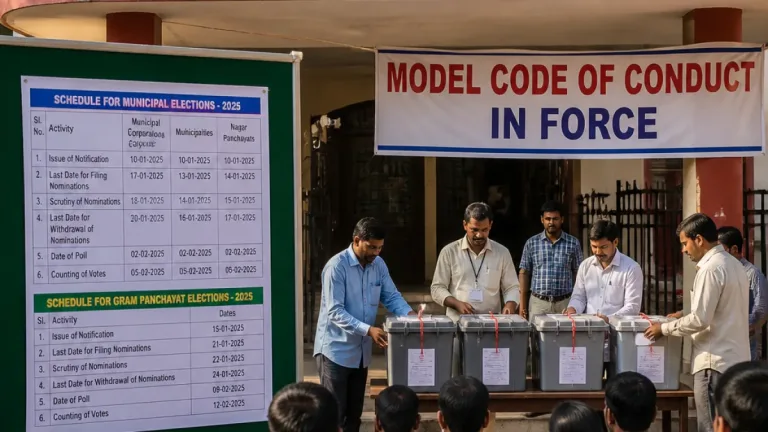
The reservation lottery is a statutory step ahead of municipal elections. Departmental officials and the Urban Development and Housing Ministry supervised the procedure to ensure transparency and adherence to legal norms. The official outcome will be used for issuing notifications and setting the schedule for polls.
The draw concludes a technical but crucial phase in the pre-election calendar: it fixes who can contest which post. With dates for the civic elections already anticipated by political watchers, the lottery’s results now give parties a defined field on which to strategise.
As the state moves towards the polls, the reservation map will remain a pivotal variable in candidate selection, alliance calculations and campaign messaging across Rajasthan’s towns and cities.