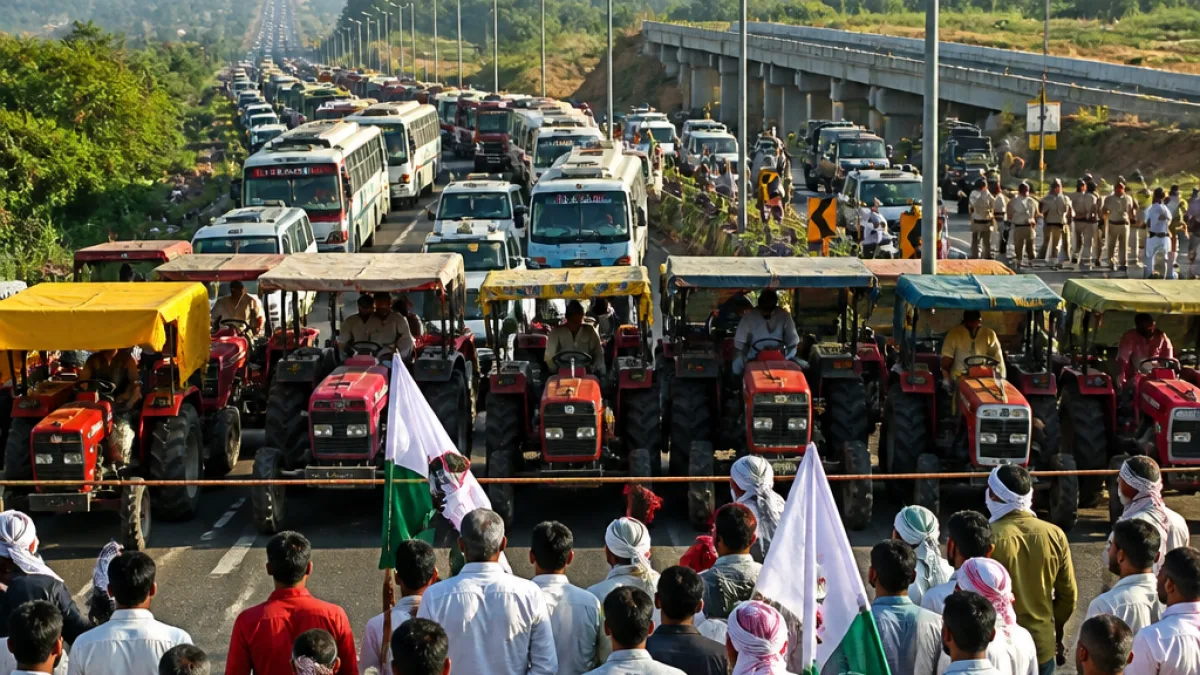
Maharashtra: Wide protests seek undoing of altered Pune–Nashik rail route
Mumbai–Pune region, Maharashtra — Thousands of citizens staged large-scale road blockades on Sunday at multiple points across Pune, Nashik and Ahilyanagar districts, demanding that the Centre restore the original, direct railway alignment between Pune and Nashik. The demonstrations, timed with Kranti Din and World Tribal Day, brought traffic to a standstill at key locations on the Pune–Nashik corridor and on parts of the Samruddhi Mahamarg.
Protesters held chakka jams at Chakan, Khed, Manchar, Narayangaon, Alephata and Sangamner on the Pune–Nashik highway. Demonstrations also took place at Gonde Phata on the Samruddhi Mahamarg and at Sinnar in Nashik district. The blockades created long queues of vehicles on both sides of the highways and disrupted movement through the day.
- Key blockade points: Chakan, Khed, Manchar, Narayangaon, Alephata, Sangamner, Gonde Phata (Samruddhi Mahamarg), Sinnar.
- Leaders present: Balasaheb Thorat and other senior leaders led the Sangamner demonstration; MLC Satyajeet Tambe led a protest on the Samruddhi Mahamarg and was detained by police.
- Cause: Demand to reinstate the shorter, direct Pune–Nashik alignment that was altered after concerns about interference with the Giant Metrewave Radio Telescope (GMRT) near Khodad.
Organisers said the protests were planned to press the Union government to revert to the earlier route that connected Pune and Nashik directly. Land acquisition work for that alignment — reportedly covering 285 hectares across 26 villages in Sangamner taluka — had already been completed and compensation disbursed to farmers, organisers added. Tenders for railway stations on that route had also been issued before the alignment was changed.
"We demand the restoration of the original alignment; farmers and residents have already sacrificed land and accepted compensation," a protest organiser said.
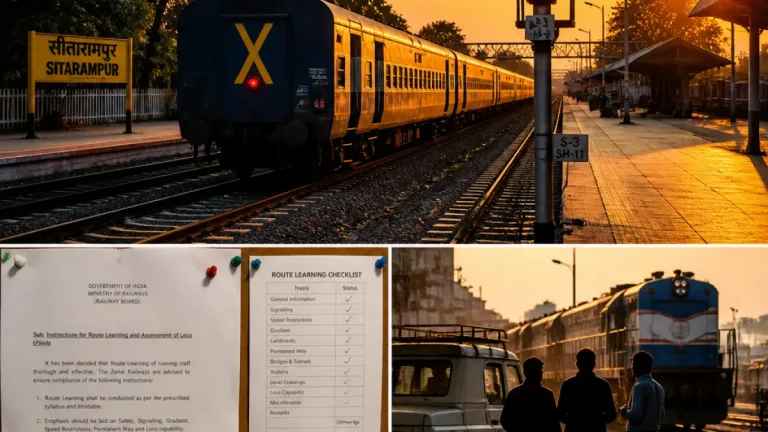
Railway Minister Ashwini Vaishnaw announced an alternative, longer alignment in June, routing the project via Nashik–Shirdi–Ahilyanagar–Pune. According to officials familiar with the decision, the change followed technical objections by scientists who flagged the proximity of the original route to the Giant Metrewave Radio Telescope (GMRT) facility at Khodad village — roughly 9–10 km east of Narayangaon — and warned of potential interference with the telescope's sensitive instrumentation.
Local impact and grievances
Residents and local leaders argued that the revised alignment bypasses areas where land acquisition and preparatory work had progressed, leaving farmers and local administrations in limbo. Demonstrators said the new route will lengthen travel times between the two cities, alter economic prospects for towns along the original line and render previous compensation and infrastructure plans ineffective.
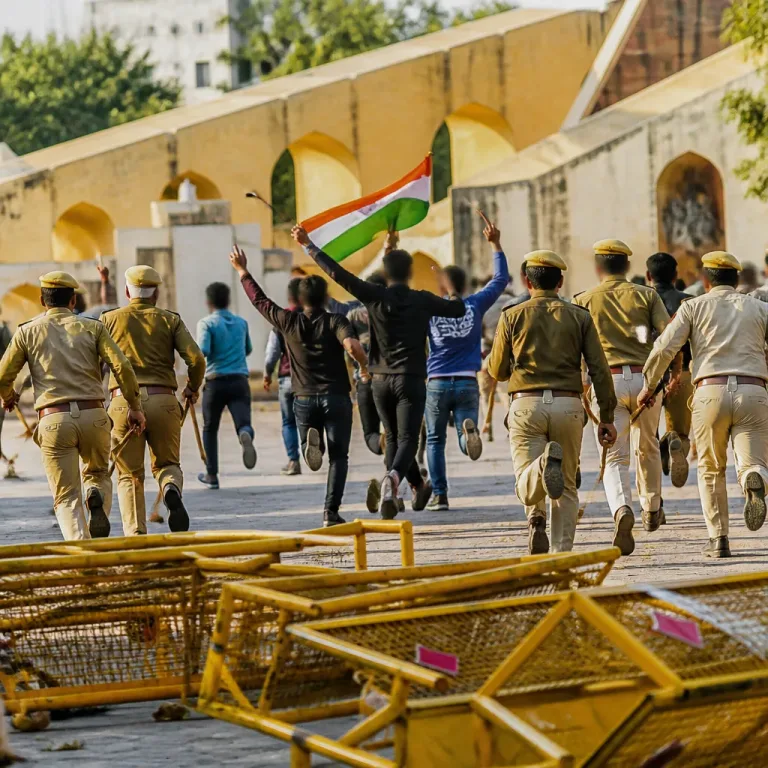
Police made targeted detentions during the agitation, including of a legislator who led a group on the Samruddhi Mahamarg. Law-and-order sources said authorities were monitoring the situation and managing traffic diversions. No widespread violence was reported during the day-long blockades, but commuters faced significant delays.
| Aspect | Detail |
|---|---|
| Original alignment status | Land acquired in Sangamner taluka (285 hectares across 26 villages); tenders for stations issued |
| Revised alignment | Route via Nashik–Shirdi–Ahilyanagar–Pune announced by Railway Minister in June |
| Reason for change | Scientific objections that original route lay close to GMRT at Khodad, risking interference |
Environmental and scientific concerns raised about infrastructure near the GMRT have been central to debates over the project; scientists had argued that electromagnetic interference could affect the telescope's observations. Local leaders counter that engineering solutions and safeguards could allow the shorter alignment to proceed without affecting the GMRT, a contention that underpins much of the current agitation.
Analysts and residents in Pune said the row highlights the tensions that commonly arise when national infrastructure projects intersect with locally completed land acquisition and regionally important scientific installations. For commuters and traders between Pune and Nashik, the protest underscored continuing uncertainty over route alignment, timeline and the likely socio-economic fallout for towns that expected to benefit from the direct connection.
Protest organisers indicated more demonstrations could follow if the authorities do not engage with stakeholders and present a clear plan addressing both the GMRT concerns and expectations of residents whose land and livelihoods were affected by earlier clearances.