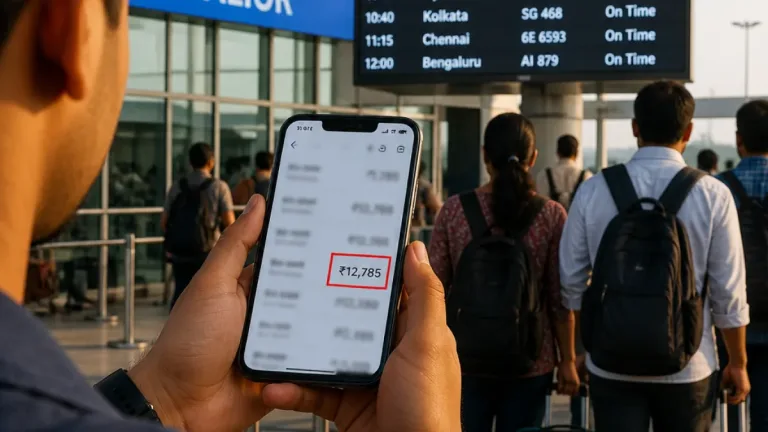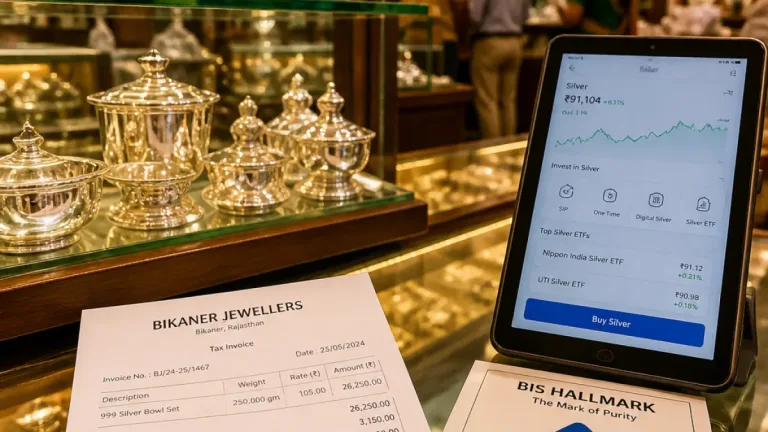
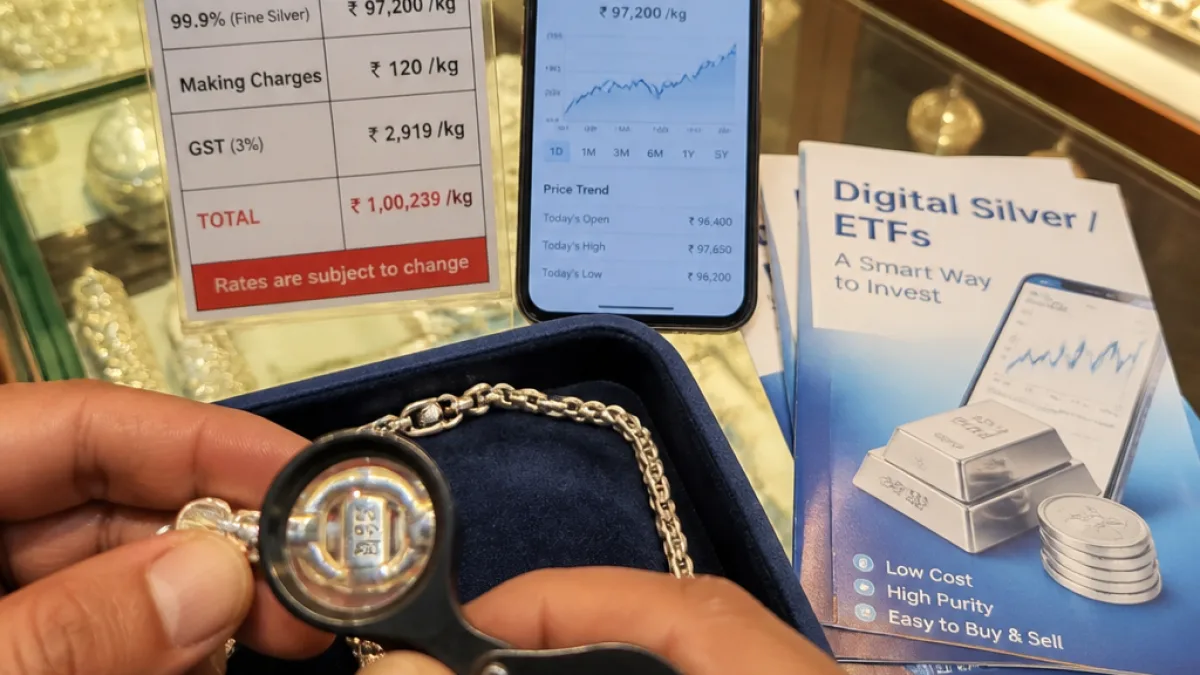
Panipat consumers and jewellers should exercise caution when using online silver price benchmarks, industry information reported on 10 August 2026 notes. The daily rate published on aggregator sites is a starting point; the final showroom cost typically includes making charges and 3% GST, and may exclude the weight of any embedded stones.
Purity grades and how they affect price
Silver purity is expressed in fineness — the number of parts of pure silver per 1,000. Common grades carry different price implications for buyers and manufacturers in Panipat's retail and jewellery markets.
- 999 (Fine Silver): Nearly pure silver (99.9%). Frequently used for bullion and investment-grade products.
- 925 (Sterling Silver): Contains 92.5% silver and 7.5% other metals, commonly used in jewellery and household items.
- 958 (Britannia Silver): Contains 95.8% silver; a historic British standard still used for certain articles.
- 900 (Coin Silver): Around 90% silver; historically used for coinage and some older items.
These purity distinctions matter for Panipat buyers because the net silver content determines the base metal value before additions such as workmanship, hallmarking fees and taxes.
Pricing components buyers in Panipat must note
Local jewellers and consumers should consider several add-ons that convert an online benchmark into the price they actually pay at a shop:
- Base metal price: The benchmark silver price per kg or per 10 grams shown on websites.
- Making charges: Vary by design and retailer; complex pieces attract higher charges.
- Stone deductions: Weight of embedded stones is normally excluded when calculating net silver weight.
- GST: A statutory 3% is applied to the final calculation.
| Component | Effect on final price |
|---|---|
| Base rate | Starting benchmark; varies daily |
| Making charges | Addition based on design complexity |
| Stone deductions | Reduces chargeable metal weight |
| GST (3%) | Levied on the total amount |
"The daily silver rate you see online is just a benchmark."
The sourced report also highlights the role of the BIS hallmark for verification. Panipat buyers are advised to look for the Bureau of Indian Standards logo and the purity grade stamped on articles — for example, 925 for sterling silver or 999 for fine silver — to ensure authenticity.
Non-physical alternatives and regulatory cautions
For those in Panipat wanting exposure to silver without storage or making charges, the report outlines alternative instruments but flags regulatory considerations. Options include:
- Digital silver: Platforms offer the ability to buy and hold silver digitally without taking delivery. Such instruments are not regulated by SEBI, and the report warns of transparency and pricing risks.
- Silver ETFs: Exchange-traded funds provide a way to trade silver like a stock on exchanges and can be an alternative for investors who prefer regulated market structures.
Local customers and small investors should weigh convenience against counterparty and regulatory risk when choosing these routes, the source commentary advised.
In Panipat's retail ecosystem, where jewellery purchases are common for festivals, weddings and investment, clarity on these technical points can materially change the amount a buyer pays. Confirming purity marks, asking for an itemised bill showing metal weight and making charges, and verifying any digital platform's regulatory status are practical steps suggested by the market overview.
Industry data published on 10 August 2026 and referenced in the report form the basis for these recommendations; individual shop policies and daily benchmark rates will determine the final transaction price for buyers in Panipat.