Raigad, Maharashtra — Maharashtra Navnirman Sena (MNS) chief Raj Thackeray on Sunday accused the state government of keeping residents in the dark about its development plans for the proposed “Third Mumbai” city and warned that the project would attract outsiders while harming local livelihoods.
Project scale and official aim
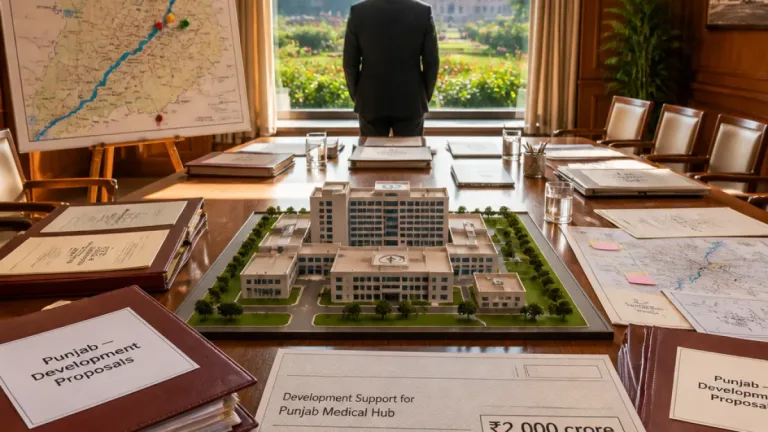
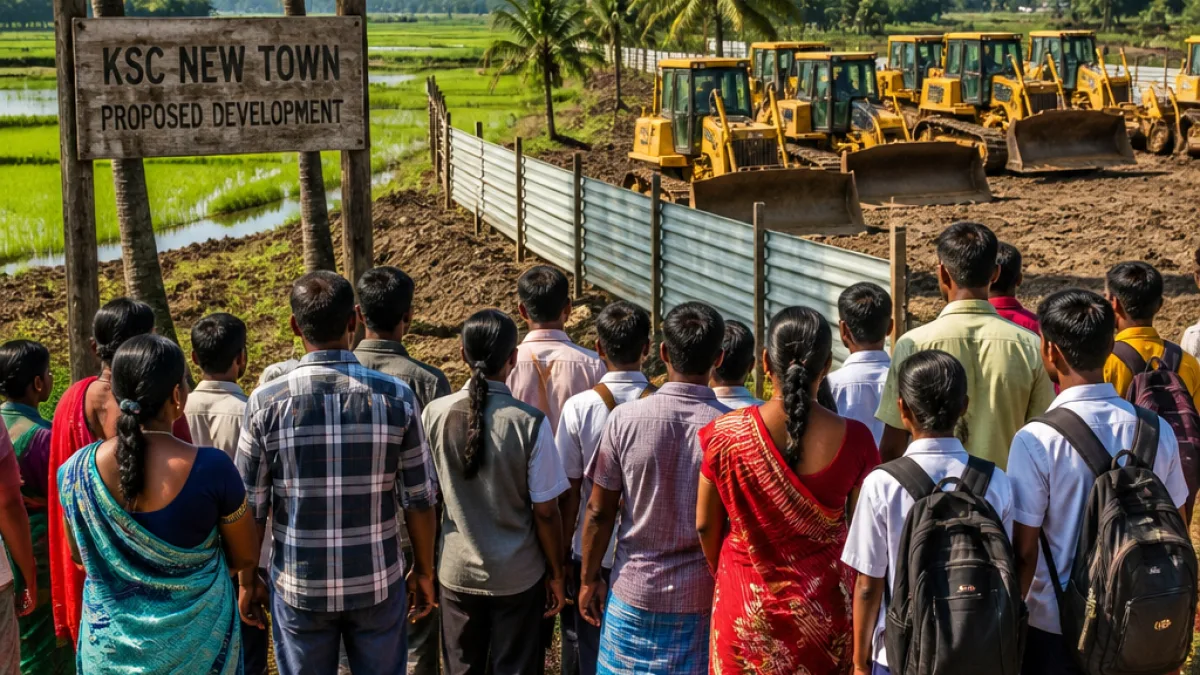
The planned new town, officially referred to as Karnala-Sai-Chirner (KSC) New Town, is envisaged as a smart city spanning roughly 323–334 square kilometres across 124 villages in coastal Raigad district. State authorities have framed the initiative as a measure to decongest the Mumbai Metropolitan Region and spur regional economic growth by housing specialised zones such as an education city, medical city, sports centre, data centre, global capability centre and research facilities.
Local concerns and political challenge
Addressing a press conference at Raigad, Raj Thackeray said ordinary people remain unaware of government intentions and that land from Pen, Panvel and Uran talukas is being acquired from local owners. He questioned whether Maharashtra's youth are being prepared to benefit from the new city and contrasted the situation with other states, which he said are readying their populations for similar projects.
“Does Maharashtra know what the government intends to do (in the Third Mumbai)? Are our youth ready for this?”
Thackeray also alleged that opaque land transactions have become the dominant business across the state and appealed to local residents to oppose acquisition moves that he said would destroy livelihoods.
What residents and stakeholders need to know
The MNS leader’s intervention highlights several issues likely to shape public debate as planning advances:
- Land acquisition and compensation: Farmers and other landholders in Pen, Panvel and Uran — talukas contiguous with the existing Mumbai suburbs — will want clarity on compensation, rehabilitation and alternate livelihoods.
- Employment and skill development: The proposed knowledge and services-driven facilities mean local youth will require targeted skilling programmes to access jobs.
- Transparency and consultation: The absence of wide public consultation, according to MNS, raises questions about how project impacts will be assessed and mitigated.
Urban planners and state officials have positioned the KSC New Town as a long-term instrument to redistribute growth from congested Mumbai. But politically, disruption to landholding patterns and uncertainty over who benefits from development tend to trigger strong local resistance in Maharashtra, as seen in past infrastructure projects.
Project facts at a glance
| Item | Detail |
|---|---|
| Name | Karnala-Sai-Chirner (KSC) New Town — “Third Mumbai” |
| Area | 323–334 sq km |
| Villages covered | 124 |
| Key talukas affected | Pen, Panvel, Uran (Raigad district) |
| Planned facilities | Education city, medical city, sports centre, data centre, global capability centre, research centres |
State authorities have not issued full public details of land procurement schedules, compensation packages or timelines in the material examined at the time of reporting. The MNS statement and the project outline together suggest an early-stage planning phase in which political stakeholders, landholders and civic bodies are yet to be fully engaged.
Implications for Mumbai residents
The KSC New Town, if implemented at scale, would reshape growth corridors to the south and east of Mumbai. For city residents it could mean long-term relief from congestion, new employment hubs outside core Mumbai and expanded regional infrastructure. But without inclusive consultation and clear safeguards for affected families, the project risks fuelling displacement and sparking legal and political disputes that could delay development.
Raj Thackeray’s appeal for local opposition adds a political variable that the state government will need to manage carefully. Officials responsible for the proposal will face pressure to produce detailed project documents, stakeholder engagement plans and transparent land acquisition policies to allay mounting concerns among Raigad’s villagers and Mumbai’s civic stakeholders.
PTI reporting was the basis for this account; the project details and the MNS chief’s remarks were cited at the Raigad press conference.