Ladakh has provided a one-off production incentive of ₹1.10 crore to more than 1,200 Pashmina goat herders, and unveiled a ₹8 crore revolving fund for the All Changthang Pashmina Growers Marketing Cooperative Society to ensure faster payments to growers, officials said on Sunday.
Policy, payout and immediate impact
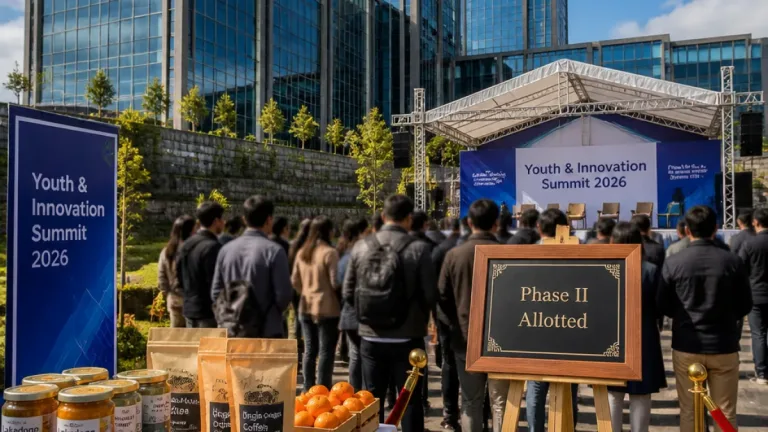
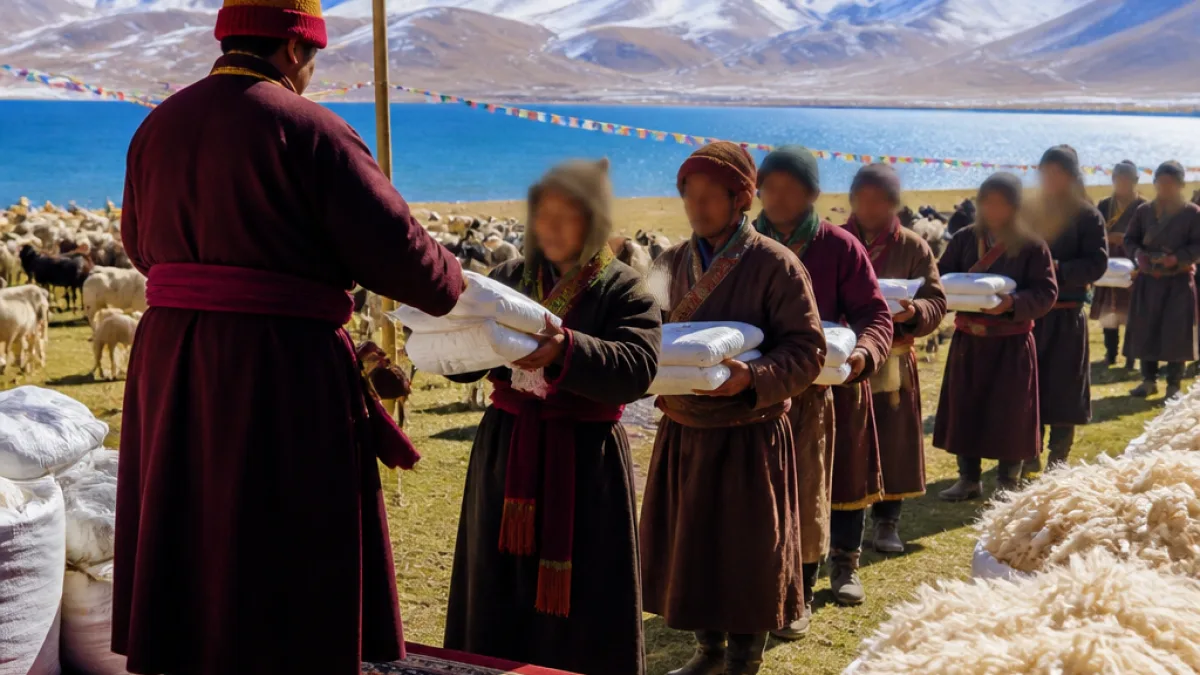
The incentive is a 25 per cent production-based payment introduced after the inaugural meeting of the Ladakh Pashmina Development Board. The disbursement was made by Lieutenant Governor V K Saxena at the Changthang Nomadic Festival held on the banks of Tso Moriri in Korzok.
Officials reported that the incentive has coincided with a rise in raw Pashmina collection — 19 tonnes gathered up to July this year, compared with 16 tonnes in the whole of 2025. The administration views the measure as a way to raise incomes and improve the sector's profitability and sustainability.
Who received what — village-wise breakdown
Most beneficiaries are nomadic herders from Changthang, the region known for the bulk of Ladakh's Pashmina production. Payments were routed through direct benefit transfer (DBT) to individual accounts.
| Village | Amount disbursed (approx) |
|---|---|
| Samad | ₹44 lakh |
| Kharnak | ₹28 lakh |
| Korzok | ₹23 lakh |
The remainder of the total disbursal covered other settlements in the Changthang grazing area, according to officials.
How beneficiaries are expected to use the money
Lieutenant Governor Saxena outlined a suggested split for the incentive to reinforce longer-term viability of Pashmina rearing. He said:
- 60 per cent of the incentive should be reinvested in scientific breeding of Pashmina goats;
- 20 per cent should be used to purchase modern combing equipment and other infrastructure;
- 20 per cent may be used for household and personal needs.
Authorities said this allocation framework aims to ensure that a majority of the funds support productivity and value realisation rather than being consumed in the short term.
Revolving fund to address cashflow and payments
The announced ₹8 crore revolving fund will be placed with the All Changthang Pashmina Growers Marketing Cooperative Society, which operates a Pashmina dehairing plant in Leh. Officials said the fund is intended to smooth cashflow, enabling the cooperative to make timely payments to growers and to operate its processing facility more effectively.
Faster payments and an assured working capital line are expected to reduce the time between raw-wool collection and buyer realisation, which can improve bargaining positions for growers and reduce dependence on middlemen.
Wider implications for the Pashmina sector
Policy makers framed the incentive and revolving fund as steps in a broader effort to formalise and strengthen the Pashmina value chain in Ladakh. The Pashmina Development Board, formed recently, is tasked with improving yields, standardising quality and expanding market access for producers in high-altitude pastures.
Analysts of rural livelihoods note that cash incentives tied to production can increase supply in the near term, but sustainable gains generally depend on parallel investments in breeding, animal health, processing technology and guaranteed market linkages. The LG's recommended reinvestment split addresses some of these concerns by directing a large portion of the payout towards productive uses.
What this means for herders
For individual nomadic families in Changthang, the DBT transfers provide immediate financial relief and a modest capital base to invest in breeding and equipment. If the cooperative uses the revolving fund to accelerate payments consistently, producers could see shorter payment cycles and improved cashflow, which is significant in a region where long distances and limited banking access complicate transactions.
Officials plan to monitor collection volumes and producer uptake of the reinvestment suggestions in the coming months to judge the scheme's effectiveness.
Location: Korzok, Changthang region