Gurugram’s D2C sector: scale and capital
Delhi NCR’s direct-to-consumer (D2C) sector has drawn in excess of $3.5 billion across 434 deals between 2015 and the first quarter of 2026, according to the D2C 3.0 Report. The funding pool for the region reported a compound annual growth rate of about 22% during 2020–2025, underlining rapid investor interest in consumer-first brands based in and around Gurugram.
"Delhi NCR D2C brands drew $3.5 Bn+ across 434 deals between 2015 and Q1 2026," the report states.
Which Gurugram names lead the pack
Gurugram is home to several marquee D2C companies and fast-scaling consumer brands across beauty, grooming, food, lifestyle and electronics. Notable names identified in the report include:
- Honasa Consumer’s Mamaearth — the region’s first listed new-age D2C house, which went public in 2023.
- boAt — an audio and wearables major with reported funding of $176.2 million.
- Bombay Shaving Company — cited as having raised $16.3 million in a funding round.
- Noise — a smart-wearables brand based in the city.
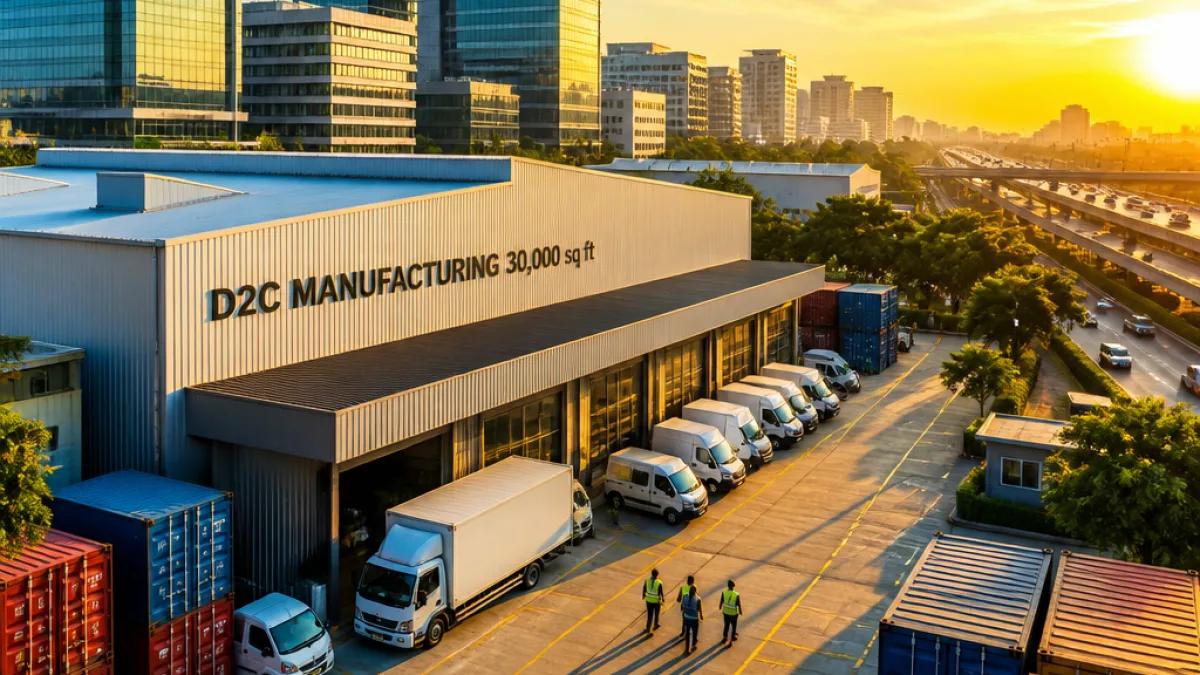
- Rage Coffee — reported to have raised $11.4 million across six rounds and operates a 30,000 sq ft manufacturing unit in Gurugram; the brand is also named as having celebrity investor connections.
- Clensta — reported funding and debt bringing it to around ₹105 crore.
- Sirona and Nat Habit — part of a broader local roster spanning personal care and natural-care products.
Funding geography and implications
The report finds that Delhi NCR, Bengaluru and Mumbai together account for about 89% of India’s D2C funding. Within the NCR, Gurugram is identified as a leading hub: proximity to the national capital, deep capital access and transport and logistics connectivity are cited as competitive advantages that make the city a preferred launchpad for consumer brands.
For residents and job-seekers, the growth of Gurugram’s D2C cluster implies expanding employment opportunities in areas such as product development, digital marketing, warehousing and manufacturing. For local suppliers and logistics providers, increased D2C activity can translate into more B2B demand.
What the numbers mean for local stakeholders
Investors: the presence of an early listed consumer company (Mamaearth) is presented in the report as a validation that has helped attract follow-on and later-stage capital to other Gurugram-based D2C firms.
Entrepreneurs and vendors: the clustering of D2C brands in the city can lower customer-acquisition costs through local talent pools and specialised service providers, while also increasing competition for skilled hires.
Policy-makers and planners: the concentration of manufacturing footprints like Rage Coffee’s 30,000 sq ft unit highlights the need for industrial space planning, logistics corridors and utilities tailored to fast-moving consumer goods (FMCG) operations.
| Brand | Reported funding / note | Local presence |
|---|---|---|
| boAt | $176.2 Mn | Headquartered in Gurugram |
| Bombay Shaving Company | $16.3 Mn | Listed in report as Gurugram roster |
| Rage Coffee | $11.4 Mn (total across rounds) | 30,000 sq ft manufacturing unit in Gurugram |
| Clensta | ~₹105 crore (debt + equity) | Part of Delhi NCR ecosystem |
Outlook and caveats
The D2C 3.0 Report provides aggregate funding and company-level snapshots up to Q1 2026. While the figures demonstrate a strong funding trend, individual company trajectories will depend on factors such as unit economics, customer retention, supply-chain resilience and continued access to growth capital. The report places Gurugram as an "engine room" of the Delhi NCR D2C economy, but it also shows that the national funding pie remains concentrated in three metro clusters.
As the city’s D2C ecosystem expands, municipal and state authorities, investors and entrepreneurs will need to coordinate on infrastructure, workforce development and regulatory clarity to convert capital inflows into sustainable local manufacturing and higher-value jobs.