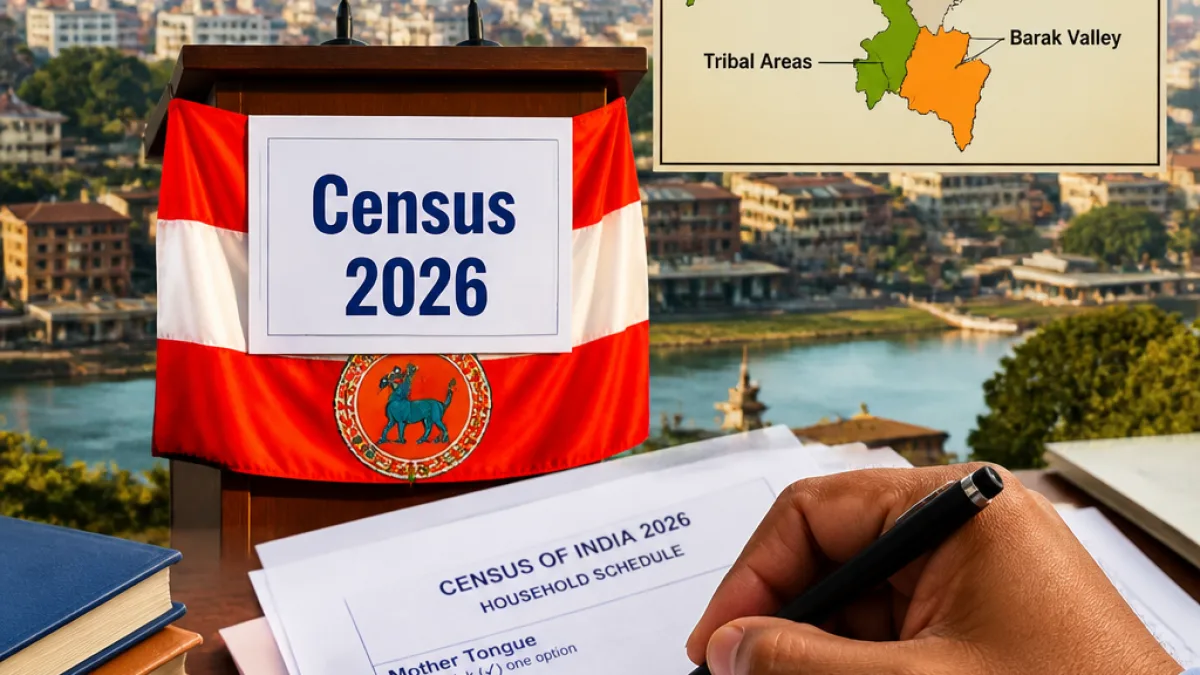
Guwahati: Assam Chief Minister Himanta Biswa Sarma on Saturday appealed to people living in the state who are natives of other states to record "Assamese" as their mother tongue during the 2026 Census enumeration, saying the data gathered will shape future planning for the country.
Census appeal amid concerns over decline in Assamese speakers
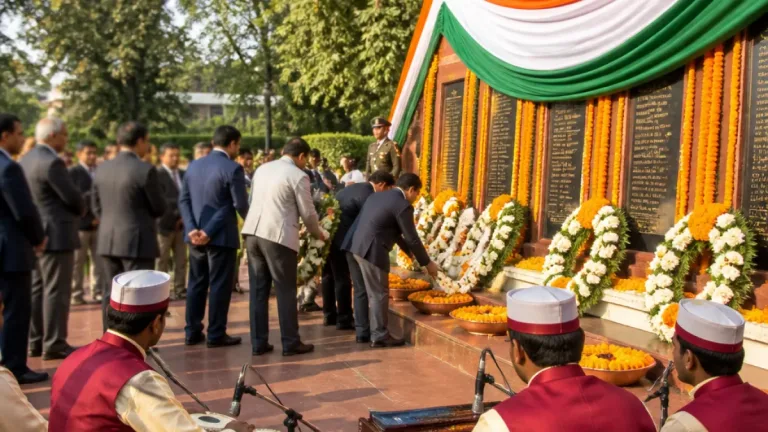
Sarma made the appeal while addressing the 80th Independence Day function at Khanapara. He underlined the importance of the ongoing Census exercise and asked those who had migrated from other parts of India to identify Assamese as their mother tongue.
"The year 2026 is an important one as the Census process has started. On the basis of data collected, the future of the country will be planned. It is our duty and responsibility to participate and make it successful," Sarma said.
The chief minister specified that people in the Barak Valley, which has a predominantly Bengali-speaking population, and the tribal communities may choose their mother tongue according to their own discretion.
Historical trend in Assamese language identification
Official figures cited by Sarma show a long-term decline in the proportion of Assam's population identifying Assamese as their mother tongue over previous censuses. The state recorded:
- 59.53% identifying Assamese in the 1971 census;
- 48.80% in 2001;
- 48.38% in 2011.
Sarma observed that the share is believed to have declined further since the last enumeration, adding urgency to the current Census drive.
| Year | Percentage identifying Assamese as mother tongue |
|---|---|
| 1971 | 59.53% |
| 2001 | 48.80% |
| 2011 | 48.38% |
Context and potential implications
The chief minister's appeal comes at a time when language and identity remain sensitive subjects in Assam's complex socio-political environment. Census mother-tongue figures are used for policy-making, planning of education and cultural programmes, and can influence perceptions about the linguistic profile of a region.
Assam's demography includes Assamese-speaking populations across Upper Assam and the Brahmaputra valley, a largely Bengali-speaking Barak Valley, as well as numerous tribal communities with distinct languages and dialects. The chief minister's clarification that Barak Valley residents and tribals may exercise discretion recognises those local linguistic particularities.
What the appeal asks residents to do
- Residents originally from other states but now settled in Assam are urged to record Assamese as their mother tongue when responding to census questions.
- People from the Barak Valley and tribal areas may continue to state the mother tongue reflecting their linguistic identity.
While the appeal seeks to bolster the reported number of Assamese speakers, it does not alter the Census's procedural guidelines. How households choose to respond to the mother tongue question will determine the final figures captured by enumerators.
Responses to language appeals and the role of the Census
Language counts in the Census are self-declared and rely on individual responses. Historically, shifts in mother-tongue reporting have occurred due to migration, assimilation, changing self-identification and administrative factors.
Officials have emphasised that accurate and honest reporting during the Census is crucial for resource allocation, educational planning and cultural preservation. The chief minister framed his request as a civic duty linked to the state’s future planning.
The appeal is likely to prompt debate among political actors, community leaders and civil society in Assam about identity, language policy and the interpretation of Census data. Observers will watch whether the 2026 enumeration shows a reversal or further change in the long-term trend highlighted by Sarma.
Reporting from Guwahati.