
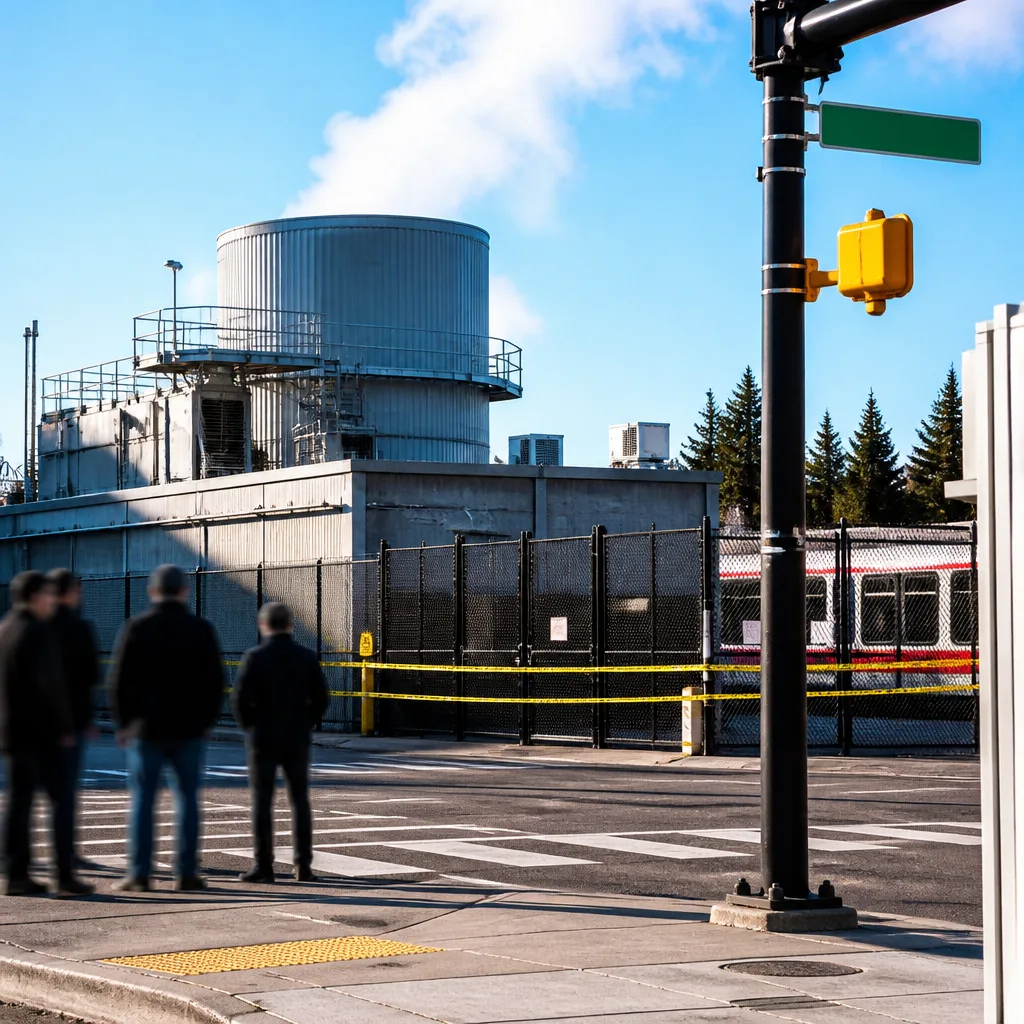
Public health officials in Toronto have identified a cooling tower at the Toronto Transit Commission’s Hillcrest Complex as the source of a recent outbreak of Legionnaires’ disease, after environmental samples matched a specimen from an infected person.
Cluster concentrated near Bathurst and Dupont
Investigators focused on a cluster of six confirmed cases that occurred within roughly a one-kilometre radius of the intersection of Bathurst and Dupont streets. Testing showed the same strain of Legionella bacteria in the cooling tower and in at least one clinical sample, officials said.
Public health authorities also reported a potential epidemiological link between the outbreak and five cases at Castleview Wychwood Towers, a nearby long-term care home. The TTC cooperated with health investigators and the implicated cooling equipment was taken offline.
How Legionnaires’ spreads and who is at risk
Legionnaires’ disease is caused by Legionella bacteria that thrive in man-made water systems. Aside from cooling towers, the bacteria can be present in hot tubs, sprinkler systems, humidifiers and decorative fountains. People typically become infected by inhaling small droplets of water containing the organism.
- Source identified: Cooling tower at the TTC Hillcrest Complex.
- Confirmed cases: Six within about one kilometre of Bathurst and Dupont.
- Possible linked cases: Five at Castleview Wychwood Towers long-term care home.
- Public risk: Authorities say the disease does not spread from person to person and that the overall risk to the public remains low.
People at greatest risk of severe illness include older adults, current or former smokers, and those with weakened immune systems or chronic lung disease. Symptoms commonly include coughing, shortness of breath, fever, muscle aches and headaches; the illness may progress to pneumonia in severe cases.
Public health response and implications
The decision to shut down the affected cooling equipment follows routine outbreak-control practice: remove or remediate the environmental source while conducting testing and monitoring. Identifying a specific cooling tower as the environmental reservoir depended on matching laboratory findings between environmental and clinical samples.
Cooling towers are a recurring focus in Legionnaires’ investigations because they can disperse contaminated aerosols over a wide area. The finding reinforces the importance of rigorous maintenance and monitoring of water systems in large buildings, transit facilities and long-term care homes.
| Item | Count or detail |
|---|---|
| Confirmed cases in cluster | 6 |
| Possible linked cases at long-term care | 5 |
| Approximate radius of cluster | About 1 kilometre from Bathurst and Dupont |
Health officials emphasised that Legionnaires’ disease is not transmitted between people and that the risk to the broader public is low. Nonetheless, outbreaks prompt heightened surveillance, targeted testing and remediation of implicated systems to prevent further cases.
This report was based on information first published by The Canadian Press on Aug. 25, 2026.















