Toronto Public Health is investigating a cluster of six confirmed Legionnaires’ disease cases that have been identified within roughly a one‑kilometre radius of Bathurst Street and Dupont Street, the city announced on Monday.
Timeline and local response
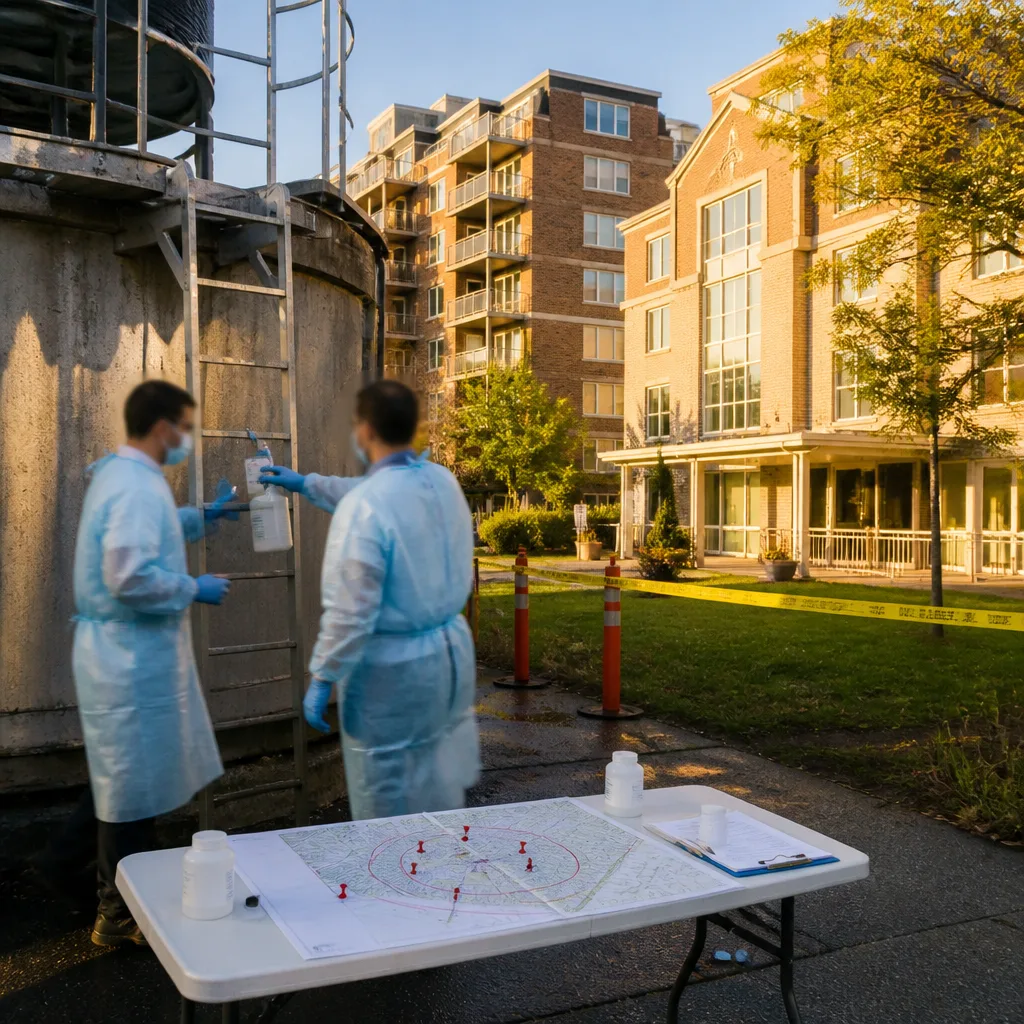
According to the public health unit, the six people who tested positive for Legionella became symptomatic between July 2 and July 26. Teams from the health unit are conducting on‑site inspections and collecting environmental samples to locate potential sources of the bacteria. Officials say precautionary control measures have already been put in place, though no definitive source has yet been confirmed.
Local hospitals and health partners have been alerted to support case finding and to identify any additional patients who may have been exposed. Public health emphasised that Legionnaires’ disease does not spread directly from person to person and described the overall risk to the general public as low.
Possible connection to nearby long‑term care outbreak
Investigators are also looking into whether the cluster is connected to a recent outbreak at Castleview Wychwood Towers, a long‑term care home near the affected area. That facility reported five confirmed cases earlier in July; the most recent of those residents developed symptoms on July 19.
| Location | Number of confirmed cases | Symptom onset (range) |
|---|---|---|
| Bathurst & Dupont area (approx. 1 km radius) | 6 | July 2 – July 26 |
| Castleview Wychwood Towers (long‑term care) | 5 | Most recent case: July 19 |
What Legionnaires’ disease is and who is at risk
Legionnaires’ disease is a severe form of pneumonia caused by bacteria of the Legionella genus. The organisms occur naturally in fresh water but can increase to dangerous levels in man‑made water systems — for example, cooling towers, hot tubs, sprinkler or irrigation systems, humidifiers and decorative fountains. Infection occurs when people inhale small droplets or aerosols containing the bacteria.
Symptoms typically include fever, cough, shortness of breath and muscle aches; illness severity ranges from mild to life‑threatening. Those at greater risk include older adults, people who smoke and individuals with chronic medical conditions or weakened immune systems. Most patients respond to standard antibiotic therapy when the disease is diagnosed and treated promptly.
- How exposure happens: breathing contaminated aerosols from water systems.
- Not spread person‑to‑person: public health units say direct transmission between people is not the mode of spread.
- Treatment: antibiotics are effective for most cases when given early.
Precautionary steps and public advice
Toronto Public Health’s investigators are sampling potential environmental sources and carrying out inspections of systems that can harbour Legionella. Where risks are identified, control measures — such as system cleaning, disinfection and operational changes — are being applied to reduce bacterial growth and aerosol generation.
The city has directed residents seeking more information to its Legionnaires’ disease webpage for guidance on symptoms and when to seek medical attention. Health care providers in the area have been notified to consider Legionella testing for patients presenting with compatible respiratory illness and relevant exposure history.
For now, the health unit continues active case finding and environmental testing to determine whether the cluster and the long‑term care outbreak are linked and to identify the source of exposure. Officials reiterated that while the investigation is ongoing, the risk to the broader public remains low.
Further updates are expected as laboratory results from environmental samples are completed and any additional cases are investigated.