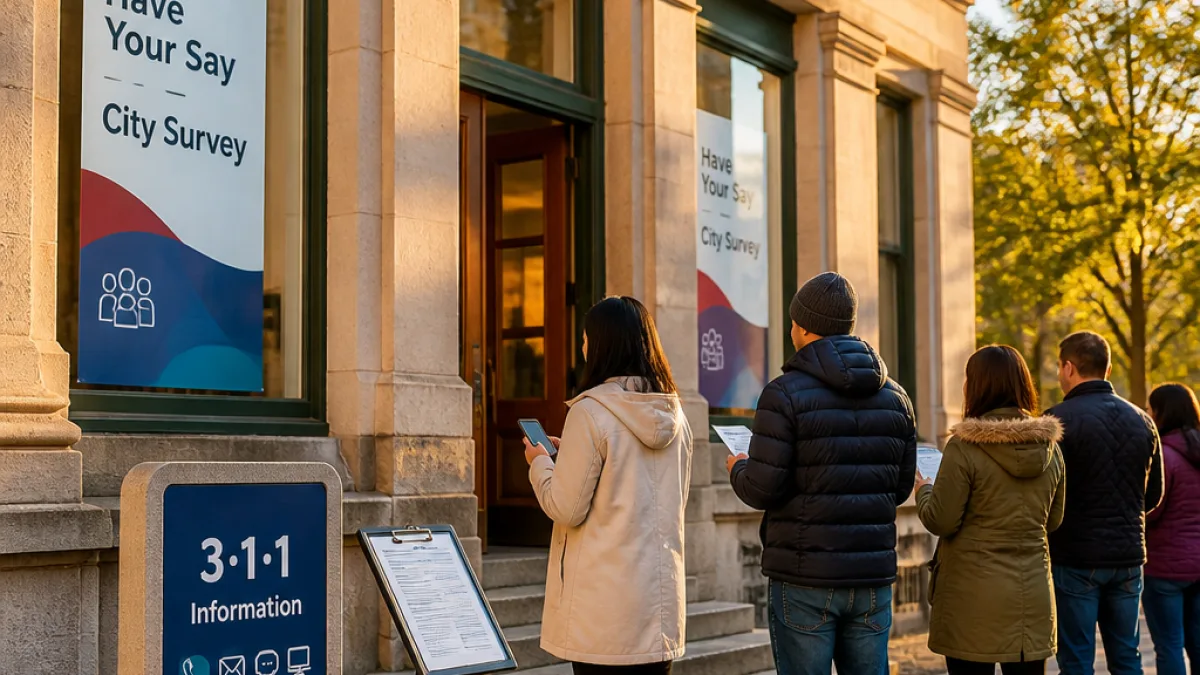
City asks residents to weigh in as municipal leaders prepare priorities
The City of St. John’s has opened a comprehensive public survey aimed at measuring how residents feel about municipal operations, the value they receive for their property taxes and which issues City Hall should prioritise going forward. It is the fifth survey the municipality has commissioned in roughly eight years.
The city said the exercise is intended to capture a broad range of resident views and that a consulting firm will be contacting households to conduct the questionnaire. Mayor Danny Breen urged people who receive a call to take part, saying public feedback remains an important element of decision-making at City Hall.
“If you get a call from the firm compiling the survey, follow it through,”
The survey comes as the city continues to wrestle with long-standing concerns residents have identified in previous polling. Officials point to the last survey, done a couple of years ago, which highlighted public safety, affordability and housing among the top issues for residents.
Those results have already steered some municipal conversations. On public safety concerns such as discarded needles in public spaces, the mayor noted residents can contact 3-1-1 to report issues and seek municipal action. The province and service providers are also routinely engaged when matters extend beyond municipal jurisdiction.
What the survey will cover and why it matters
While the city has not published the full questionnaire, the stated goal is to assess:
- Perceptions of municipal service quality
- Views on fiscal fairness and the value of property taxes
- Priority areas for investment and attention from council
For residents, regular surveys serve two key purposes: they give people a structured way to express satisfaction or frustration with day-to-day services — snow clearing, parks maintenance, waste collection and the like — and they provide councillors with community intelligence when setting budgets and strategic plans. Participation can affect how the city allocates limited resources amid competing demands.
Context: repeating checks on community mood
Municipal surveys are not new to St. John’s. The city has carried out similar exercises periodically, and the current count is the fifth in an approximately eight-year span. Those recurring checks help municipal staff and elected officials detect trends over time rather than relying on episodic public meetings or media coverage alone.
| Survey count | Known focus from last survey |
|---|---|
| 5th | Public safety, affordability, housing (as cited by city) |
Officials say the current survey will feed into upcoming budget and policy discussions. That matters because municipal budgets have direct consequences for property tax bills — the very topic many residents say they want to debate. Amid rising costs and competing service demands, the city faces tough choices about where to spend and where to tighten belts.
Mayor Breen’s public appeal for co-operation underscores another practical reality: survey contractors must reach a representative cross-section of households to generate reliable results. A higher response rate strengthens the legitimacy of any conclusions drawn and the decisions made from them.
Residents who wish to flag specific service problems can still use the city’s regular reporting channels such as 3-1-1, but the survey provides a chance to step back and weigh broader priorities. City Hall officials say they will use the data to guide decision-making and to help ensure municipal actions reflect the public’s concerns.
Those who receive a call from the firm doing the work are being asked to participate; the city is also expected to share summary findings once the data has been analysed. For many St. John’s residents, this is one of the clearest moments in the municipal calendar to tell council what matters most to them and how they want their tax dollars spent.