CALGARY — The federal Conservative Party is moving to shape the debate in Alberta’s fall referendum, launching a campaign to encourage voters to back staying in Canada.
Party steps into a provincial, constitutional fight
On Friday, Conservative Leader Pierre Poilievre confirmed his caucus will actively campaign against separation and has assigned Parkland MP Dane Lloyd to coordinate the effort in Alberta. The federal move comes as the province prepares to vote on Oct. 19 on whether to remain a province or begin a process that could lead to separation.
The federal Conservatives say they spent the summer meeting Albertans across the political spectrum and saw a need to mobilize Conservative-leaning voters ahead of the referendum. The party framed the initiative as an attempt to ensure its supporters turn out and vote to remain in Canada.
"It’s become clear that a campaign is needed to engage Conservative supporters and ensure they vote."
What the federal campaign means here
Federal involvement in a provincial referendum is unusual and underscores how deeply the question of separation has reverberated beyond Alberta’s borders. For Albertans, the Conservatives’ intervention could have several practical effects: increased voter-contact activity in rural and suburban areas, targeted advertising to centre-right voters and coordinated messaging from MPs who represent Alberta ridings.
- Leadership: Dane Lloyd named to lead outreach in Alberta.
- Timing: Campaign announced in early September as MPs prepare to return to Ottawa on Sept. 21.
- Objective: Encourage Conservative supporters to vote to remain in Canada on Oct. 19.
Conservative caucus activity is likely to be particularly visible in the weeks before the referendum, when voter contacts and get-out-the-vote efforts intensify. MPs returning to the House of Commons on Sept. 21 will face a brief window to balance parliamentary duties with local campaigning.
How this fits into a crowded information environment
The federal Conservatives are joining a patchwork of voices on the separation question. Provincial and grassroots groups on both sides are already campaigning: proponents of separation argue Alberta can thrive independently of Ottawa, while opponents warn of legal and economic uncertainty — including possible implications for Indigenous treaty rights.
That contested terrain means messaging will be carefully calibrated. A federal party pushing for a 'remain' outcome must avoid overreach into provincial jurisdiction while trying to persuade voters whose day-to-day concerns are often economic — jobs, royalties, taxation and infrastructure.
Key dates and players
| Date | Event / Role |
|---|---|
| Sept. 4, 2026 | Federal Conservatives announce 'Conservatives for Canada' campaign; Dane Lloyd named lead. |
| Sept. 21, 2026 | MPs return to the House of Commons for the fall sitting. |
| Oct. 19, 2026 | Referendum vote on whether Albertans wish to remain a province or begin a separation process. |
The party has not released a detailed public plan for advertising spend or the precise mix of field, phone and digital outreach it will use. What is clear is leadership’s intent to make the referendum a partisan priority, at least for Conservative MPs from Alberta and neighbouring provinces.
Implications for Albertans
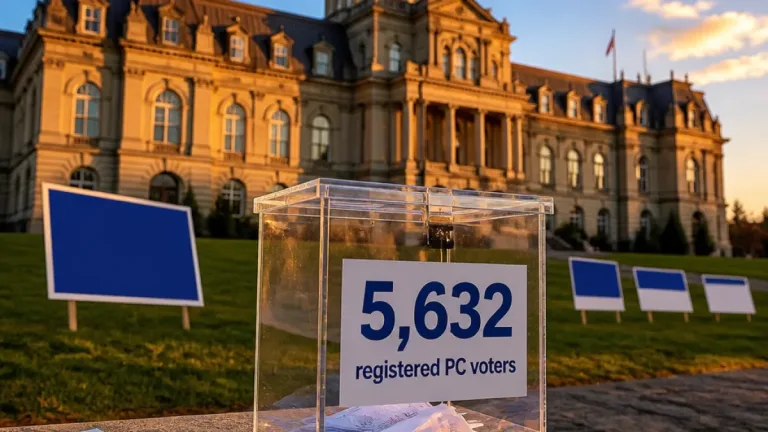
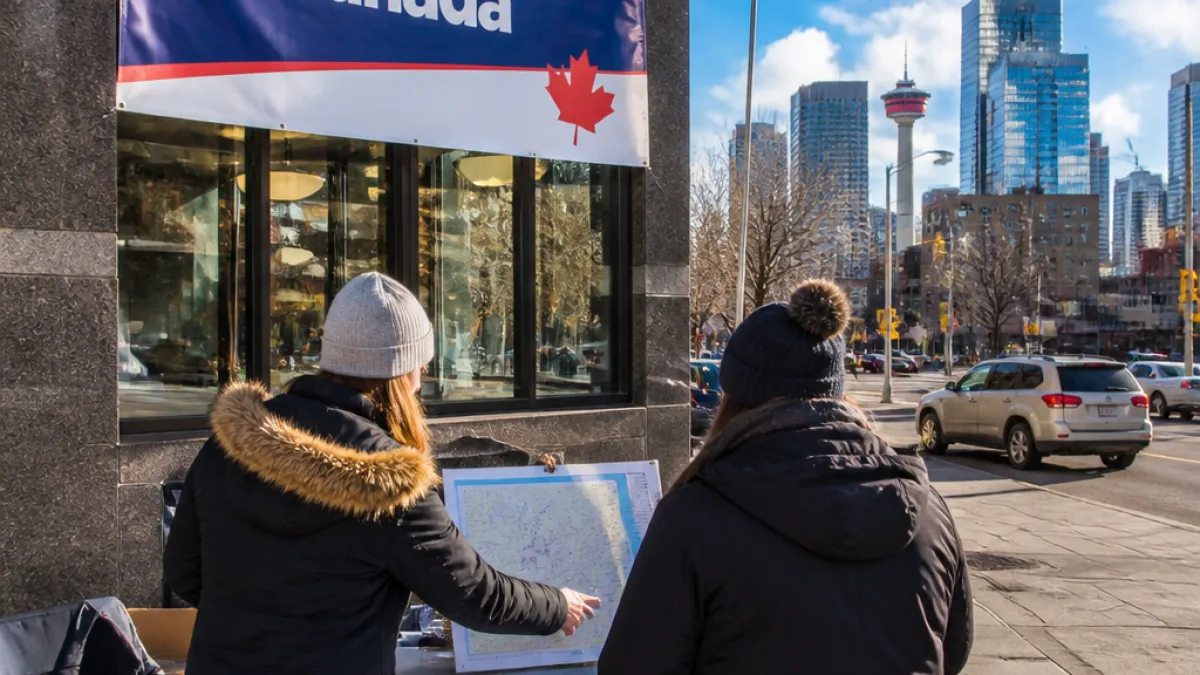
For voters, the federal campaign is likely to translate into more election-style contact: lawn signs, door knocks, phone calls and social media messaging targeting likely Conservative supporters. That could shift the tenor of local politics in the coming six weeks, increasing pressure on municipal and community groups to clarify their positions.
Turnout will be decisive. With separation advocates emphasising self-determination and opponents warning of constitutional and economic disruption, the contest is as much about persuading ambivalent voters as it is about mobilizing existing supporters.
As the fall unfolds, Albertans will watch how national parties, provincial actors and grassroots movements shape the debate — and whether federal Conservative involvement helps tip the balance in a referendum that could reshape the province’s relationship with the rest of Canada.
Reporting from Calgary.