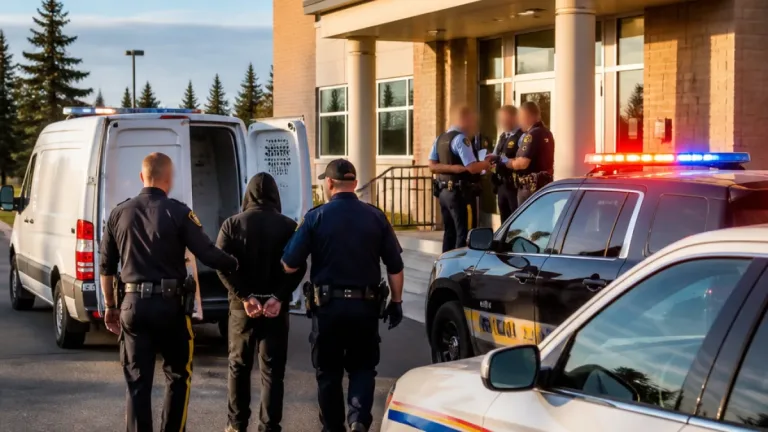
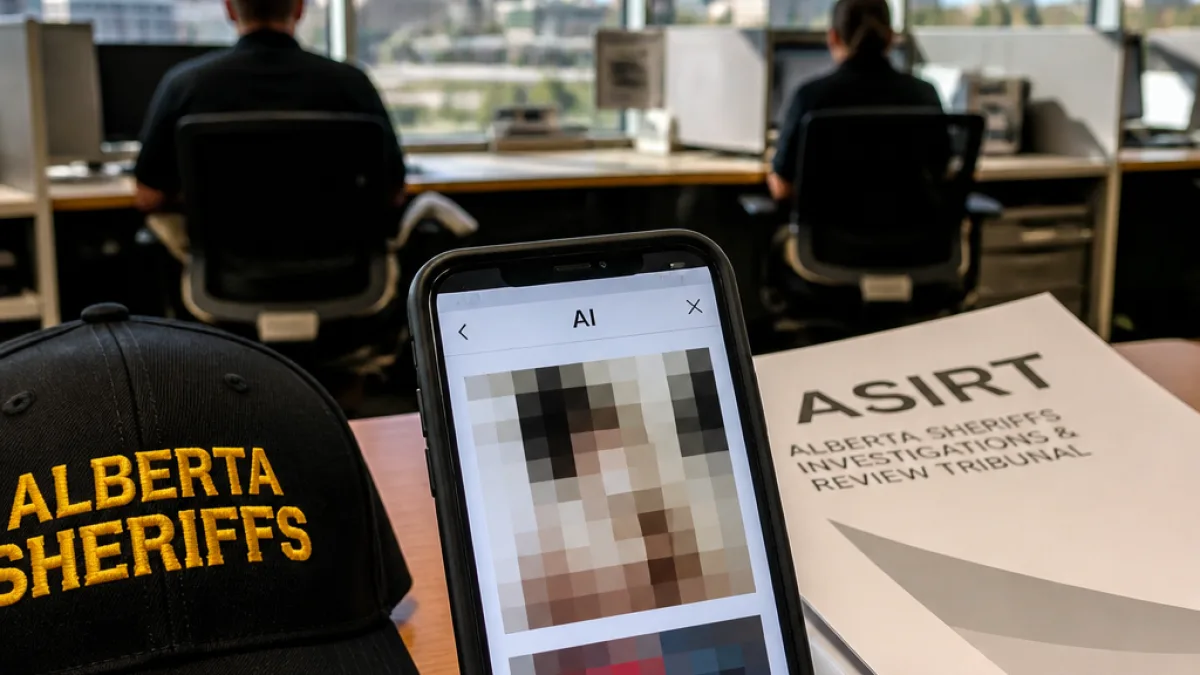
CALGARY — An Alberta Sheriffs peace officer who admitted using an artificial intelligence app to create sexualized images of women, including fellow employees, will not face criminal charges, the province’s police watchdog has concluded.
ASIRT says conduct serious but not criminal under previous laws
The Alberta Serious Incident Response Team (ASIRT) released a report Wednesday after investigating a complaint that began earlier this year. The probe was launched when a family member discovered AI-generated images on the officer’s phone and notified the employer.
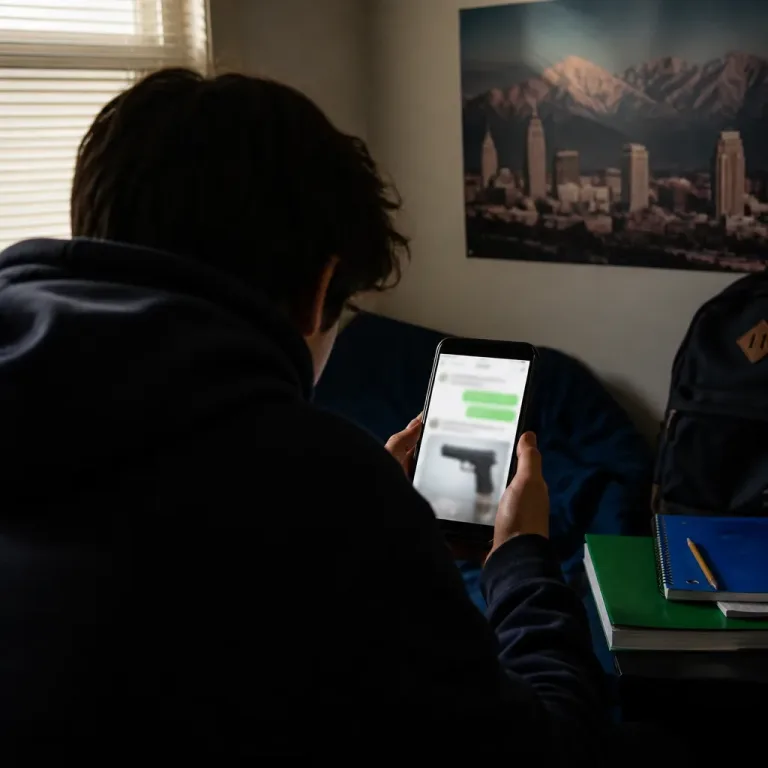
ASIRT said the officer acknowledged using an AI application to produce the intimate images and that he appears to have relied on non-intimate photos the women had posted publicly on social media as source material. The watchdog’s review found no evidence the altered images were distributed.
Because the images were created before new provincial laws addressing AI-generated intimate images came into force, ASIRT concluded the officer did not commit a criminal offence under the legislation that was in effect at the time of the conduct.
"Including this information is not intended to state, or even imply, that the sheriff would have been charged under the law as it’s currently written," said Jason van Rassel of the Police Review Commission in an email summarizing ASIRT's reasoning.
Accountability left to the employer
ASIRT noted the matter falls outside its mandate to pursue non-criminal discipline and recommended the Alberta Sheriffs address the officer’s conduct under their own code of conduct and employment processes. The report emphasised the seriousness of the behaviour and warned it will have lasting effects on the women involved and their sense of safety at work.
The outcome highlights a legal gap that can emerge when technology outpaces the statutes used to police image-based harms. The watchdog referenced the timing of recent legal changes in its report to make clear it had considered whether the revised rules would affect its decision.
What the report establishes
- Discovery and investigation: A family member found the images and alerted the officer’s employer, prompting an ASIRT inquiry.
- Admission: The officer admitted using an AI app to create sexualized images derived from non-intimate social media photos.
- No distribution found: Investigators did not locate evidence the images were shared beyond the officer’s phone.
- Timing of law changes: New laws concerning AI-generated intimate images came into force shortly after the images were found, and ASIRT considered those changes in its report.
| Event | When |
|---|---|
| Images discovered by family member | Earlier this year |
| ASIRT report released | Wednesday (report date) |
| New intimate AI-image laws | Came into effect shortly after images were discovered |
Broader implications for workplaces and law
The case underscores tensions between workplace discipline and criminal law as governments and agencies adapt to the risks posed by generative AI. Experts and privacy advocates have warned that deepfake and AI-manipulated images can inflict serious psychological harm and undermine trust among colleagues, even when not shared widely.
For employers, the incident is a reminder to review internal policies on digital conduct, privacy and harassment — and to ensure reporting mechanisms and supports are available for affected staff. For police and oversight bodies, it highlights the need to align investigative mandates with rapidly changing technology-driven harms.
ASIRT’s report expressly called the officer’s actions "serious" and pointed to the long-term effects on female co-workers’ ability to feel safe in the workplace.
What happens next
Because ASIRT’s jurisdiction is limited to criminal matters, the resolution of any disciplinary or employment consequences rests with the Alberta Sheriffs and the provincial Ministry that oversees them. ASIRT suggested the employer address the conduct through its code of conduct and any applicable human-resources procedures.
The case is likely to renew public discussion about whether current criminal and civil frameworks are adequate to deter and remedy harms stemming from AI-manipulated intimate imagery.
Questions about the sufficiency of legal remedies and the pace of policy change remain, and affected workplaces will be watching how the Alberta Sheriffs respond within their own disciplinary structures.