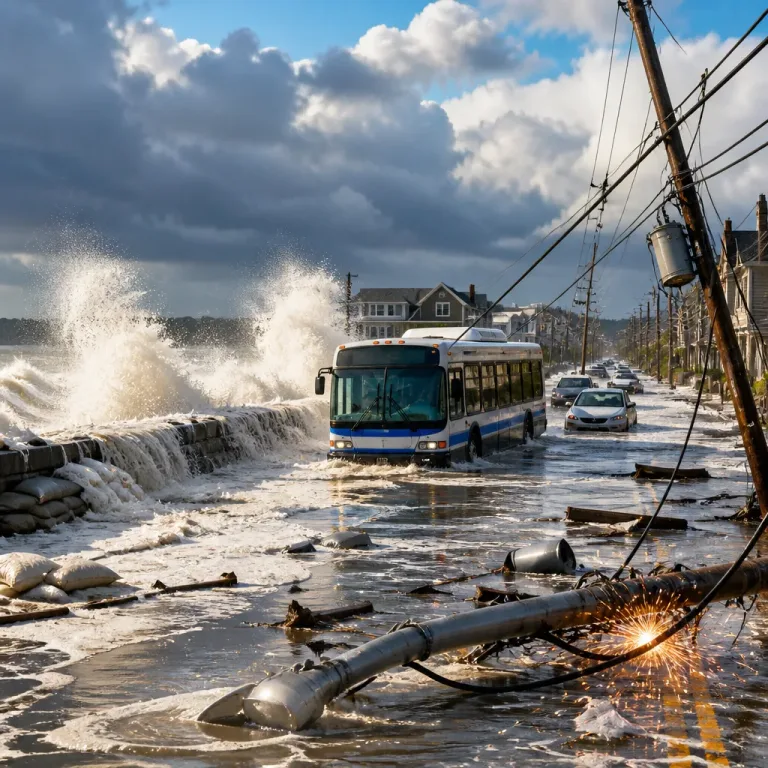

Severe thunderstorms that tracked across the U.S. Midwest on Tuesday produced tornadoes, torrential rainfall and flash flooding, killing at least two people, injuring others and leaving hundreds of thousands of customers without electricity as crews worked to clear debris and restore service.
Fatalities, injuries and rescues
Emergency responders reported that a 4-year-old boy was killed when a tree fell onto a home in Geneva, Indiana. In Ohio, officials said a Roseville resident died after a medical emergency that first responders could not reach in time because of flooded roads. Authorities in Portage, Indiana, were investigating a house explosion that also resulted in a fatality and examining whether the severe weather was a factor.
Across the region, lightning struck a correctional complex southwest of Cleveland, injuring 16 incarcerated people, 12 of whom were treated and released and four who remained hospitalized as of Wednesday, according to the Ohio Department of Corrections. First responders continued rescuing people trapped by rising waters and responding to reports of downed trees and power lines.
Power outages, infrastructure and response
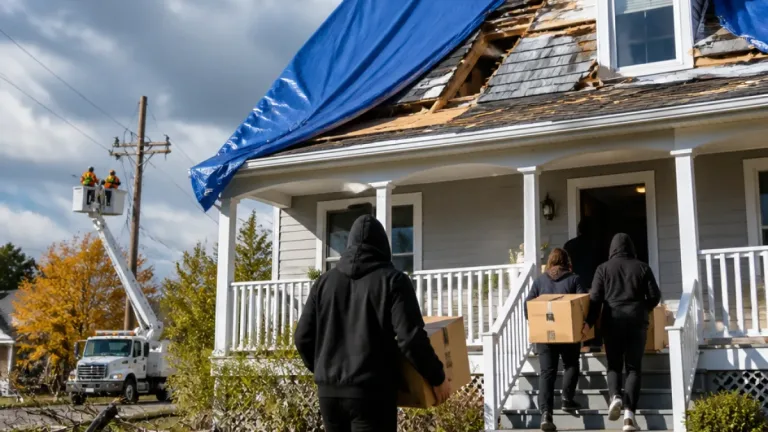
Utility crews were deployed to repair damage from fallen trees and broken wires after the storms. Officials said large numbers of customers were without power, with utility companies working through the night and into Wednesday to prioritise critical facilities and begin widespread restorations.
- Storm hazards: tornadoes, heavy rainfall leading to flash flooding, damaging winds and lightning;
- Human impact: multiple deaths under investigation, dozens injured and numerous flood rescues;
- Infrastructure: widespread power outages and downed trees and wires hampering response efforts.
What the officials said
"Four remained hospitalized" after the lightning strike at the prison, according to the Ohio Department of Corrections.
State and local authorities were coordinating search, rescue and recovery operations while also assessing whether additional severe weather threats remained in the short term. Crews prioritised life-safety concerns and critical infrastructure as they cleared roads blocked by debris.
Context and implications
This outbreak of severe convective weather is consistent with the kind of intense, fast-moving storms that can produce multiple hazards — tornadoes, flash flooding and lightning — within the same storm system. Flooded roads and debris from fallen trees complicate emergency access, which can delay medical response and recovery efforts and increase the risk of secondary incidents, such as house explosions reported in some communities.
For residents in affected regions, that underscores two practical points: avoid driving through flooded roads and heed local evacuation or shelter advisories. Flash floods can rise rapidly and conceal hazards beneath the water, while downed power lines and unstable trees present immediate danger even after the storms pass. Utility restoration timelines depend on the extent of damage and availability of repair crews, but officials typically focus first on hospitals, emergency services and other essential facilities.
Keeping safe amid ongoing threats
People in the path of severe storms should monitor official weather warnings from the National Weather Service and follow guidance from local emergency management. If caught outdoors during intense lightning or high winds, seek robust shelter immediately and avoid taking refuge under isolated trees. After a storm, treat any downed line as live, keep well clear of damaged structures, and report hazards to local authorities.
| Item | Known figure / status |
|---|---|
| Children killed | 4-year-old boy in Geneva, Indiana |
| Other confirmed deaths | Resident in Roseville (medical emergency on flooded roads); reported fatality in Portage house explosion under investigation |
| Injuries | 16 injured by lightning at prison; 4 remained hospitalized |
| Power outages | Described as affecting hundreds of thousands of customers |
Officials continue to assess damage and investigate the role of severe weather in specific incidents. As restoration and recovery proceed, authorities are urging people in impacted areas to follow official advisories and take precautions around floodwater and storm debris.
This developing situation highlights how dangerous summer convective storms can be across populated areas: a combination of heavy rain, damaging winds, tornadoes and lightning can rapidly produce life-threatening conditions and major infrastructure impacts.