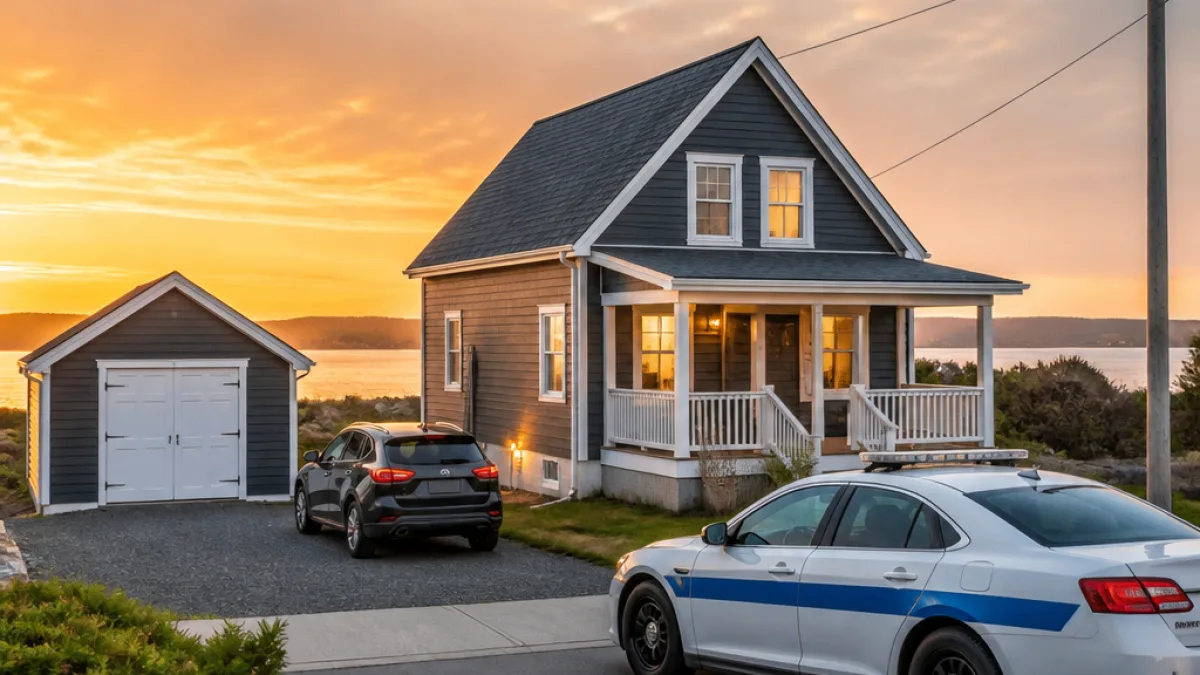
The Royal Newfoundland Constabulary is again asking residents to take straightforward steps to protect personal property as summer historically brings a rise in reported break-and-enters and thefts from vehicles across its jurisdictions.
Seasonal pattern of opportunistic crime
Police say the warm months are the busiest time for thieves who capitalise on easy opportunities. Alongside a noticeable increase in items taken from unattended cars, officers stress that many of these incidents are preventable with a few proactive measures.
“These are crimes of opportunity,” the RNC has noted in guidance aimed at householders and motorists. The force encourages the public to change small habits that can make a property less attractive to would-be thieves.
Practical steps residents can take
Officers recommend a range of simple actions to reduce the likelihood of becoming a target. The guidance centres on three broad themes: visibility, secure storage and appearance of occupancy.
- Keep valuables out of sight: do not leave items on seats or in plain view inside vehicles.
- Bring belongings indoors: when not in use, store items inside a locked house, garage or shed.
- Mind keys: avoid leaving wallets or keys in vehicles and do not hide house keys in obvious spots — instead consider leaving a key with a trusted neighbour or friend.
- Remove tools and ladders: garden tools, ladders and work equipment can be used to gain entry; store them away.
- Improve exterior lighting: well-lit perimeters deter many thieves and increase the chance neighbours will spot suspicious activity.
- Use safes for irreplaceable items: valuable or sentimental items should be locked away or removed from plain sight.
- Simulate occupancy: timers on lights, radios left on and having someone check the property regularly all help convey that a home is occupied.
- Limit social media posts about absences: avoid advertising travel plans or extended absence online.
How neighbours and routine checks help
The RNC also encourages community-minded actions. Asking a neighbour to mow the lawn, move a vehicle in the driveway or simply check the property can create the appearance that someone is home. These small gestures reduce the signals thieves watch for when selecting targets.
Police emphasise that taking tools and ladders off the property prevents their use in forced entry, and that removing obvious temptations from vehicles — from electronics to loose change — reduces the chance a car will be broken into.
Summary table of recommended actions
| Risk | Recommended action |
|---|---|
| Theft from vehicles | Keep valuables out of sight; don't leave wallets or keys in the car |
| Break-and-enter | Lock tools/ladder away; secure doors and windows; use exterior lighting |
| Targeted theft when away | Use timers, radios, neighbour checks; avoid posting absences online |
Prevention is often the best response
The RNC's advisory is not a substitute for investigation or enforcement, but it reflects a practical public-safety approach: reducing opportunities removes incentives. For residents, the steps are low-cost and straightforward, yet can have a measurable effect on crime rates.
Those who follow the guidance are less likely to give thieves the easy openings they seek. In a province where neighbours still watch each other's houses and community ties remain strong, police say simple vigilance—locking up, storing items and keeping up the appearance of occupancy—goes a long way toward keeping summer safe.
Anyone with information about thefts or suspicious activity is asked to contact the RNC in their local jurisdiction.