Downing Street to begin talks with Cornwall on possible devolution deal
Prime Minister Andy Burnham said he has asked No 10 North to begin work with Cornwall Council and the county's six MPs on a devolution deal — a development that local politicians say could address longstanding infrastructure and economic challenges across the county.
Speaking in the House of Commons during his first statement as prime minister, Mr. Burnham told MPs he wanted to see more powers returned to regions outside London. He said the government would start talks on a deal “with or without an elected mayor” and extended the same offer to other parts of England that do not currently have devolved arrangements.
“I have asked No 10 North to begin work with Cornwall Council and its six MPs on a devolution deal, with or without an elected mayor,”
The announcement followed a meeting Mr. Burnham described having with the Liberal Democrat leader of Cornwall Council, Leigh Frost, and the MP for Truro and Falmouth, Jane Kirkham, on a recent visit. In his remarks he explicitly linked devolution to ambitions for regional growth and fairness in public services.
Member of Parliament for South East Cornwall, Anna Gelderd, welcomed the statement. She said putting Cornwall “front and centre” in the prime minister’s opening address to Parliament was a clear signal that the area’s communities and industries are being taken seriously. In comments relayed after the statement, she framed the initiative as a means to give local communities “the powers we need to drive growth and make decisions locally.”
What devolution could mean locally
Cornwall residents and leaders have repeatedly flagged gaps in basic infrastructure and services that they say hamper growth and living standards. The prime minister acknowledged those concerns in the Commons, saying Cornwall, like many rural economies, has been held back by a lack of a “basic level of infrastructure.”
Officials and councillors have long debated the merits of different devolution models. The prime minister’s signal that talks could proceed with or without an elected mayor leaves open a range of potential arrangements, from a mayoral combined authority to bespoke agreements that transfer specific powers and funding streams to local control.
- Scope: Talks could cover transport, housing, skills, and economic development.
- Governance: An elected mayor is one possible structure but not mandatory under this offer.
- Timetable: No timetable was provided in the prime minister’s statement; negotiations will involve Cornwall Council and the county’s MPs.
Local leaders will now need to set priorities and engage with national officials as negotiations begin. Any final deal would likely require cross-party support locally and sign-off from Whitehall.
Immediate reactions and next steps
Mr. Burnham framed the move as part of a wider ambition to give all English regions powers similar to those already devolved to some city regions, and he said he recognised concerns about a two-tier England where only some areas benefit from devolved powers.
He told MPs:
“Now, I want every single place across our regions and nations to be able to do the same, creating the conditions for good growth in every postcode.”
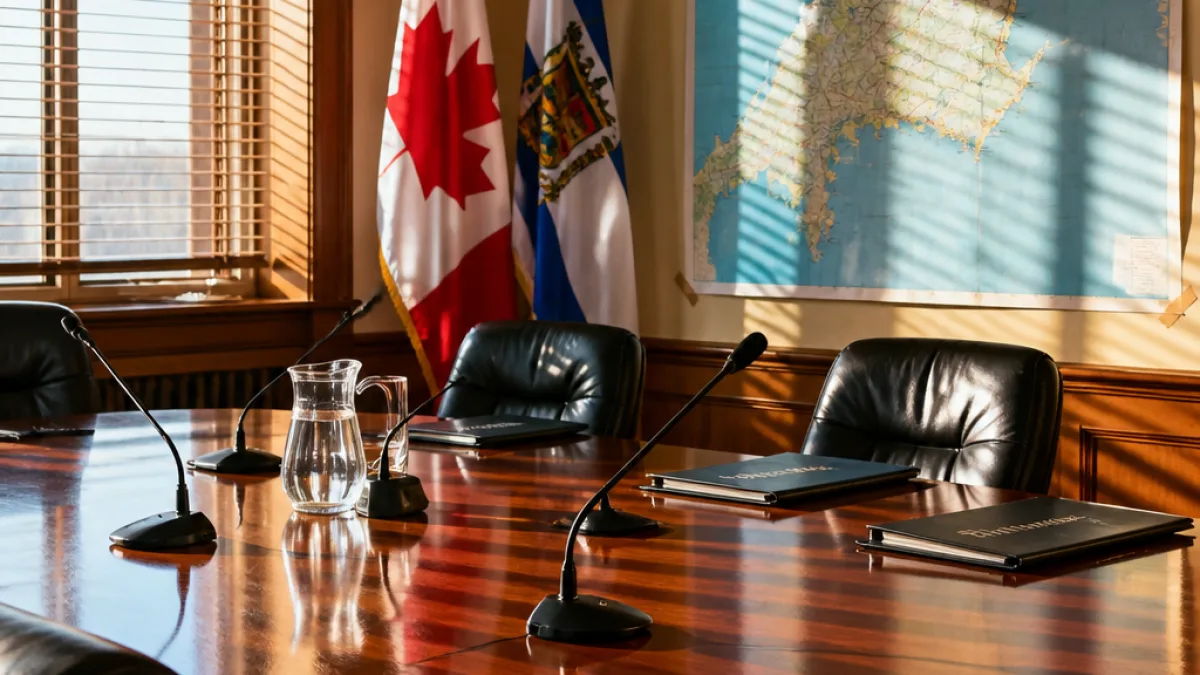
At the local level, the council and the county’s MPs will have to agree on what a devolution deal for Cornwall should look like. The discussions at No 10 North will likely be technical and political, focused on the transfer of responsibilities, new funding arrangements and how accountability would operate.
| Actor | Role |
|---|---|
| Prime Minister Andy Burnham | Requested No 10 North to begin talks |
| Cornwall Council (Leader: Leigh Frost) | Local negotiating partner |
| Local MPs (including Jane Kirkham, Anna Gelderd) | Participants in negotiations |
For Cornwall, the stakes are practical: devolution could mean more control over transport priorities, housing policy, skills funding and local economic strategy, tools that local leaders argue are vital for tackling rural isolation and boosting opportunities across the county. How quickly, and how comprehensively, those powers might be transferred will depend on the negotiation process now set in motion.
As talks begin, residents and councils will be watching to see whether any agreement delivers the infrastructure and investment Cornwall has long sought, and whether the county secures a settlement tailored to its rural mix of towns, villages and coastal communities.