Community groups, colleges and cultural organisations march as leadership shifts
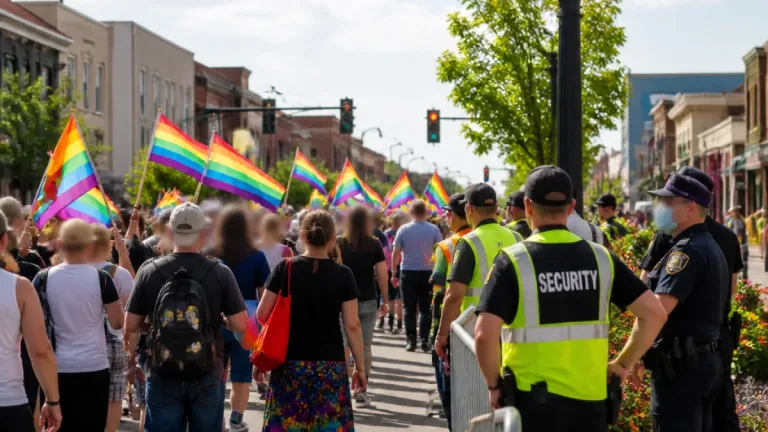
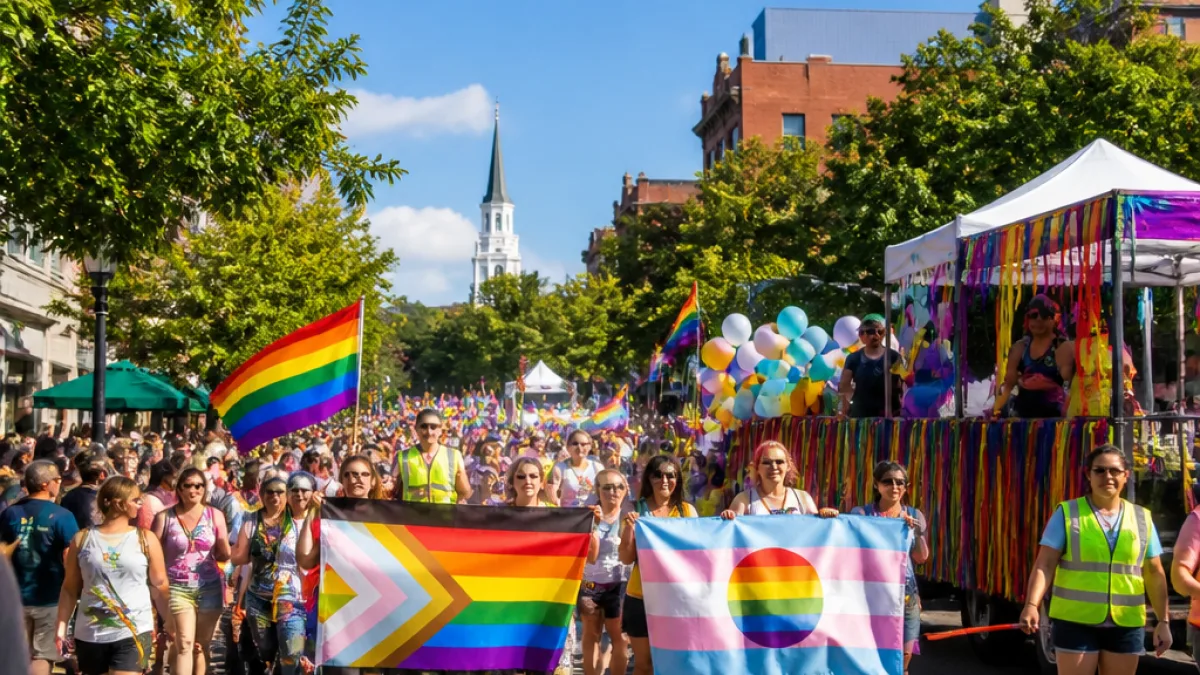
Hundreds of people gathered in downtown Burlington on Sunday for the city's annual Pride parade, a colourful procession that brought together community organisations, businesses, colleges and local leaders. The event marked the first year a new coalition led the parade after the long-time organiser stepped back, but the celebration continued much as residents have come to expect.
Along Church Street marchers carried flags and signs while crowds watched from sidewalks and storefronts. Participants included nonprofits, local businesses, student groups and health organisations, demonstrating the broad civic reach of the event.
- Organising change: The Pride Center of Vermont stepped away from producing the September parade and a new coalition assumed organising duties for the first time.
- Wide participation: Marchers included students from Saint Michael's College, the University of Vermont Cancer Center, the Flynn and the Vermont Human Rights Commission.
- Health and rights profile: Local health and rights organisations used the parade to highlight support for LGBTQ+ people and to communicate available services and legal protections.
The University of Vermont Cancer Center walked in the parade to show institutional support. Director Randall Holcombe said the organisation participates to connect with and demonstrate support for people in the LGBTQ+ community.
"We support everybody, and we want to make sure that we show that support," Holcombe said.
The Flynn — a longstanding regional arts organisation — contributed one of the parade's most eye-catching elements: large, colorful floating sea-creature visuals carried above the crowd. Flynn Executive Director Jay Wahl explained the display was meant both to attract attention and to offer a metaphor.
"The community is pretty tenuous, and we need to always protect and fight for that," Wahl said.
The Vermont Human Rights Commission also took part. Commissioner staffer Kate Paarlberg-Kvam reminded attendees that Vermont law protects individuals from discrimination on the basis of identity, including sexual orientation and gender identity, and urged continued attention to rights and enforcement.
"Our state guarantees rights for people based on identity, and people have the right to not be discriminated against," Paarlberg-Kvam said. "And nothing has changed about that."
Students, alumni and established groups keep the tradition alive
Students and college groups added energy to the march. Organisers and participants said moving the parade to September decades ago was intended to coincide with the return of students, and that year-round calendars and campus involvement remain important to turnout. The visible presence of young people, according to attendees, enriches the parade and underscores its role as both celebration and public statement.
Organising responsibilities changed this year when the Pride Center of Vermont opted to step back and a new coalition took over. Organisers declined detailed public comment on the handover during the parade, but the event proceeded without interruption and drew both long-standing participants and newer groups.
For Burlington residents who follow regional civic life, the parade underscored how municipal celebrations of inclusion rely on partnerships between volunteer organisers, civic institutions and community groups. The continuity of the parade despite leadership changes suggests a resilient civic ecosystem able to marshal resources and volunteers for large public gatherings.
| Aspect | Detail |
|---|---|
| Organiser (previous) | Pride Center of Vermont |
| Organiser (current) | New coalition (unnamed in coverage) |
| Notable participants | UVM Cancer Center, The Flynn, Vermont Human Rights Commission, Saint Michael's College students |
As the afternoon progressed, families, advocacy groups and arts organisations lingered in public spaces, turning a procession into a broader festival of outreach and visibility. Whether the change in organisers will prompt new programming or logistical adjustments in future years remains to be seen; for now, attendees and participating institutions told reporters the priorities were unchanged: visibility, community support and the reaffirmation of legal protections.
For residents in Burlington and neighbouring communities watching from across the border and around the region, the parade offered a reminder that civic traditions can adapt when leadership shifts so long as community institutions and volunteers continue to step forward.