
Foreign Affairs Minister Anita Anand on Thursday described as “unacceptable” Israel’s decision not to pursue a criminal investigation after an April 2024 airstrike in the Gaza Strip that killed a Canadian aid worker and others.
The Israeli military prosecutor concluded this week that commanders' choices in the strike did not provide “reasonable suspicion of criminal misconduct,” effectively closing the door on a criminal probe into the attack on vehicles operated by the humanitarian group World Central Kitchen. Ottawa said it disagrees with that assessment.
What happened
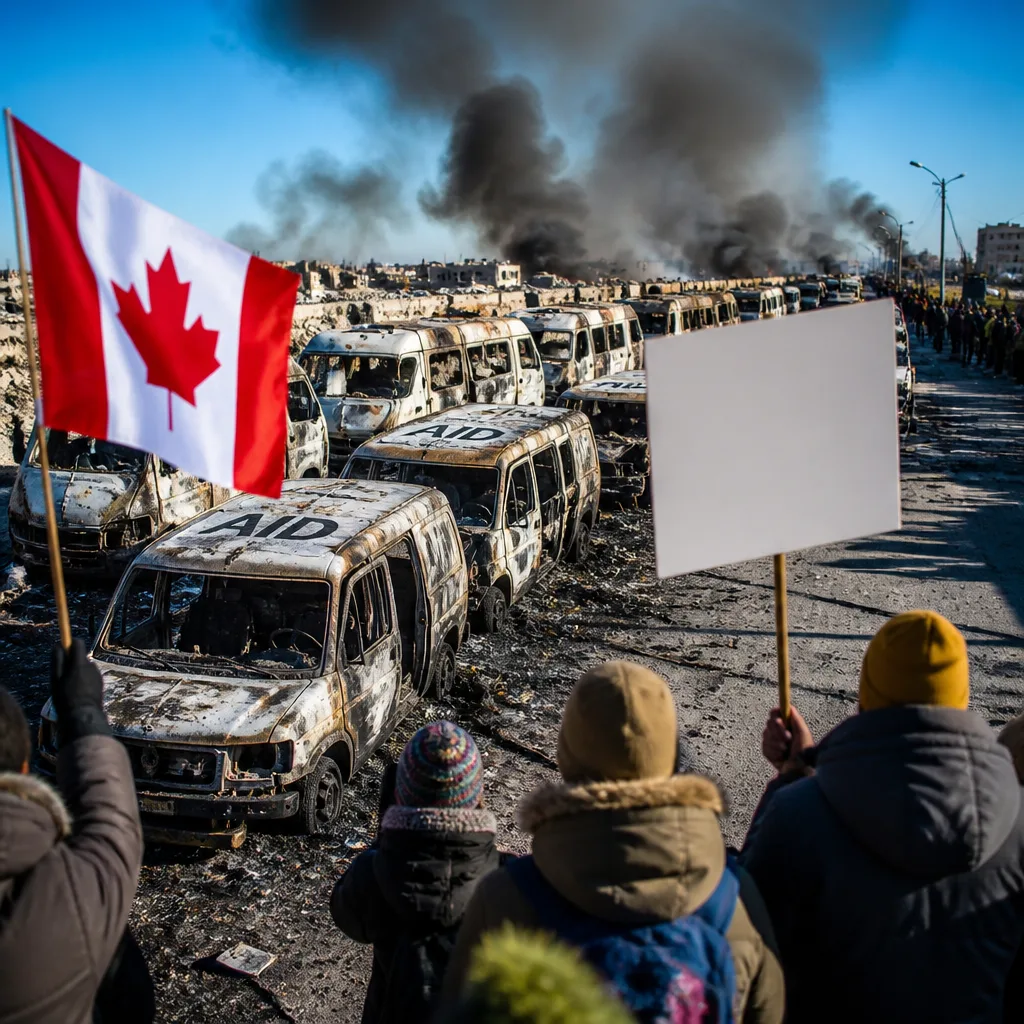
The April 2024 airstrikes struck a convoy of World Central Kitchen vehicles rotating food and aid in Gaza. The group says it coordinated the convoy’s movement with Israeli forces, and that its logo was clearly marked on the vehicles’ roofs. The strike left the vehicles “incinerated and mangled.”
The attack killed Jacob Flickinger, a former member of the Canadian military from Quebec, alongside a number of international colleagues and at least one Palestinian. The organisation and Canadian officials have continued to press for further investigation and accountability.
Official reactions and continuing questions
- Anita Anand called Israel’s decision not to investigate criminally “unacceptable,” signalling Ottawa’s strong disagreement with the military prosecutor’s finding.
- Former prime minister Justin Trudeau previously urged an independent and rapid inquiry into the deaths and contested comments suggesting such losses are an unavoidable part of war.
- Israel’s initial response included the removal of two officers from their positions and reprimands for three others; the prosecutor later said occupants of the vehicles were mistakenly identified as armed operatives.
“It shouldn’t just happen when you have aid workers for an extraordinary organization like World Central Kitchen, risking their lives every day in an incredibly dangerous place, to deliver food to people who are experiencing a horrific humanitarian catastrophe,”
That quote, from the former prime minister, captures the frustration both in Ottawa and among humanitarian advocates who say aid workers operate under clear protection expectations and that losses among such personnel demand robust, transparent accountability.
Diplomatic and humanitarian implications
The decision not to open a criminal case raises questions about how states investigate strikes that hit humanitarian actors and how Canada will respond diplomatically. Ottawa has not announced new punitive measures; instead, officials have publicly expressed dismay and reiterated calls for independent scrutiny.
World Central Kitchen, the U.S.-founded charity that operates in high-risk zones distributing food, says it coordinates routes and timings with local authorities and militaries. The group’s markings were reportedly visible from the air during the April convoy, heightening scrutiny of the military’s targeting and identification procedures.
For families and colleagues of the dead, and for Canadian authorities charged with protecting citizens abroad, the prosecutor’s conclusion offers little closure. The differing accounts — the military’s determination that there was no criminal conduct versus calls from Ottawa and others for further independent inquiry — suggest this episode will remain a point of contention between Canada and Israel as both governments manage bilateral relations and public expectations.
| Known facts | Details |
|---|---|
| Incident | April 2024 airstrike on World Central Kitchen convoy in Gaza Strip |
| Canadian casualty | Jacob Flickinger, former Canadian military member from Quebec |
| Israeli action | Military prosecutor found no reasonable suspicion of criminal misconduct; two officers removed, three reprimanded |
As Ottawa gauges next steps, the broader questions persist: how states investigate strikes affecting humanitarian personnel, what independent mechanisms exist to establish facts, and how diplomats balance calls for accountability with the complexities of wartime operations. For Canadians watching from home, the matter is both personal and political — the death of a fellow citizen at work delivering aid has become a fulcrum in debates over military conduct and international justice.