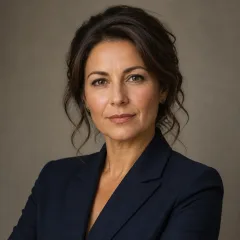

Elana Meyers Taylor, the Olympic monobob gold medallist, announced Wednesday that she has been experiencing post-concussion symptoms for several months and will not compete in the upcoming World Cup bobsleigh season.
Champion stepping back amid ongoing symptoms
The revelation from one of the sport’s most decorated athletes marks a notable development early in the international bobsleigh calendar. Meyers Taylor’s decision to forgo the World Cup circuit comes as she manages symptoms commonly linked to concussion, a clinical diagnosis that can affect cognition, balance and physical resilience.
Her absence from the World Cup will remove a high-profile competitor from the start lists and is likely to draw fresh attention to athlete welfare in sliding sports, where high speeds and impact risks are part of everyday competition.
- Athlete: Elana Meyers Taylor — Olympic monobob gold medallist.
- Condition: Post-concussion symptoms persisting for months.
- Impact: Will not compete in the coming World Cup season.
What this means for elite bobsleigh
Meyers Taylor’s absence will be felt on the World Cup circuit, where consistency and experience are critical across a season of international travel and demanding tracks. For teams and rivals, the change alters competitive dynamics; for the sport, it underscores how concussion and recovery timelines can interrupt careers even for top performers.
Decisions to sit out events while symptoms persist reflect broader shifts in elite sport towards prioritising long-term health over short-term results. Athletes and medical teams increasingly weigh the unpredictable course of post-concussive conditions when setting competition and training schedules.
| Athlete | Status |
|---|---|
| Elana Meyers Taylor | Withdrawing from upcoming World Cup season due to post-concussion symptoms |
Implications beyond the track
High-profile cases such as this tend to prompt renewed scrutiny of safety protocols, return-to-play guidelines and concussion-management resources across federations and teams. While the immediate effect is competitive — one fewer seasoned pilot on the start line — the broader conversation touches on medical oversight, athlete education and the support structures available to competitors recuperating from neurological injury.
For Canadians who follow winter sport closely, the story is a reminder that even established champions can be vulnerable to injuries that require time and restraint to heal. The health decisions of elite athletes often set examples for younger competitors and shape policy discussions within national sporting bodies.
As Meyers Taylor remains out of competition, attention will likely turn to official statements from her team and relevant governing bodies for updates on her recovery timeline and any planned reassessments. Meanwhile, rivals will regroup and recalibrate for a World Cup season that now begins without one of its marquee names.
Further details on the nature of her symptoms, the accident or incident that led to the concussion, and her medical team’s timeline for return were not included in the initial announcement.
Broadly, the decision to prioritise recovery underscores the uncertain trajectory of post-concussive conditions and the cautious approach athletes and medical staff are adopting when neurological recovery is at stake.