
The Royal Newfoundland Constabulary says a lengthy probe into online images altered with artificial intelligence has produced nearly 60 criminal charges against a 17-year-old resident of St. John’s, and identified 19 people who were allegedly targeted.
How the case began and unfolded
Police say the matter began in January when a group of teenagers approached the RNC with complaints that photographs of them had been digitally modified to create explicit images. The report prompted what investigators describe as a more-than six-month inquiry that involved specialised investigators from the child abuse and sexual assault unit and computer forensics personnel.
“They reported that images of them had been digitally altered. So normal pictures of them had been altered using AI to make them explicit images,” RNC Const. Stephanie Myers told CBC.
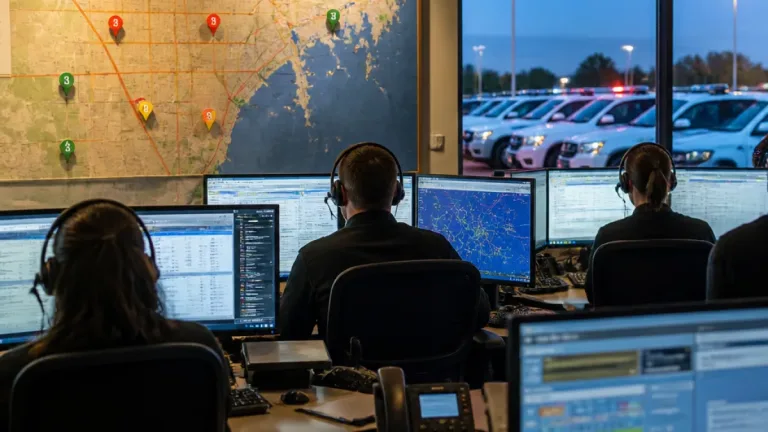
Authorities say the forensics teams played a key role in tracing the altered material back to its source. Dozens of police officers and civilian staff were reportedly involved in examining devices and online systems as part of the operation.
Charges laid and what they mean
On July 29, prosecutors filed charges against the youth. The counts include multiple charges related to the creation, possession and distribution of images described by police as child sexual abuse and exploitation material, plus a single count for accessing such material.
- 19 counts of making child sexual abuse and exploitation material
- 19 counts of possession of child sexual abuse and exploitation material
- 19 counts of distribution of child sexual abuse and exploitation material
- 1 count of accessing child sexual abuse and exploitation material
The repeated 19 figure corresponds to the number of people identified by police so far who were allegedly exploited in the matter, according to RNC statements.
| Allegation type | Number of counts |
|---|---|
| Making exploitation material | 19 |
| Possession | 19 |
| Distribution | 19 |
| Accessing material | 1 |
Youth justice protections and community reaction
The identity of the accused is shielded by the Youth Criminal Justice Act, and authorities will not release the youth’s name. Police have not provided further details publicly about the accused beyond the charges and the city of residence.
The RNC’s child abuse and sexual assault investigators are handling the file alongside technical specialists, reflecting how law enforcement in the province is needing both traditional investigative work and digital expertise to respond to crimes that involve artificial-intelligence tools.
Families and local youth services advocates have previously expressed concern about the rapid spread of AI tools that can alter images, and this case is likely to renew conversations about online safety for young people in schools, recreation leagues and communities.
Practical information for parents and young people
Police encourage anyone who believes they or someone they know has been the subject of digitally altered sexual material to report it to law enforcement. Because the investigation relied on detailed examination of devices and online accounts, authorities stress the importance of preserving evidence — for example, not deleting messages, screenshots or files — until investigators advise otherwise.
As the case proceeds, local schools, youth organizations and parents may be watching closely for guidance from the RNC, the provincial government and community safety groups on how to recognise and respond to AI-manipulated material and online exploitation reports.
For now the charges stand and the matter will move through the youth justice process while the province grapples with the new challenges posed by artificial-intelligence technology in the hands of young people.
As this is an active investigation and the accused is a protected youth, the RNC has provided only limited details. The files created by police will be reviewed through the appropriate prosecutorial and judicial channels under existing youth justice rules.