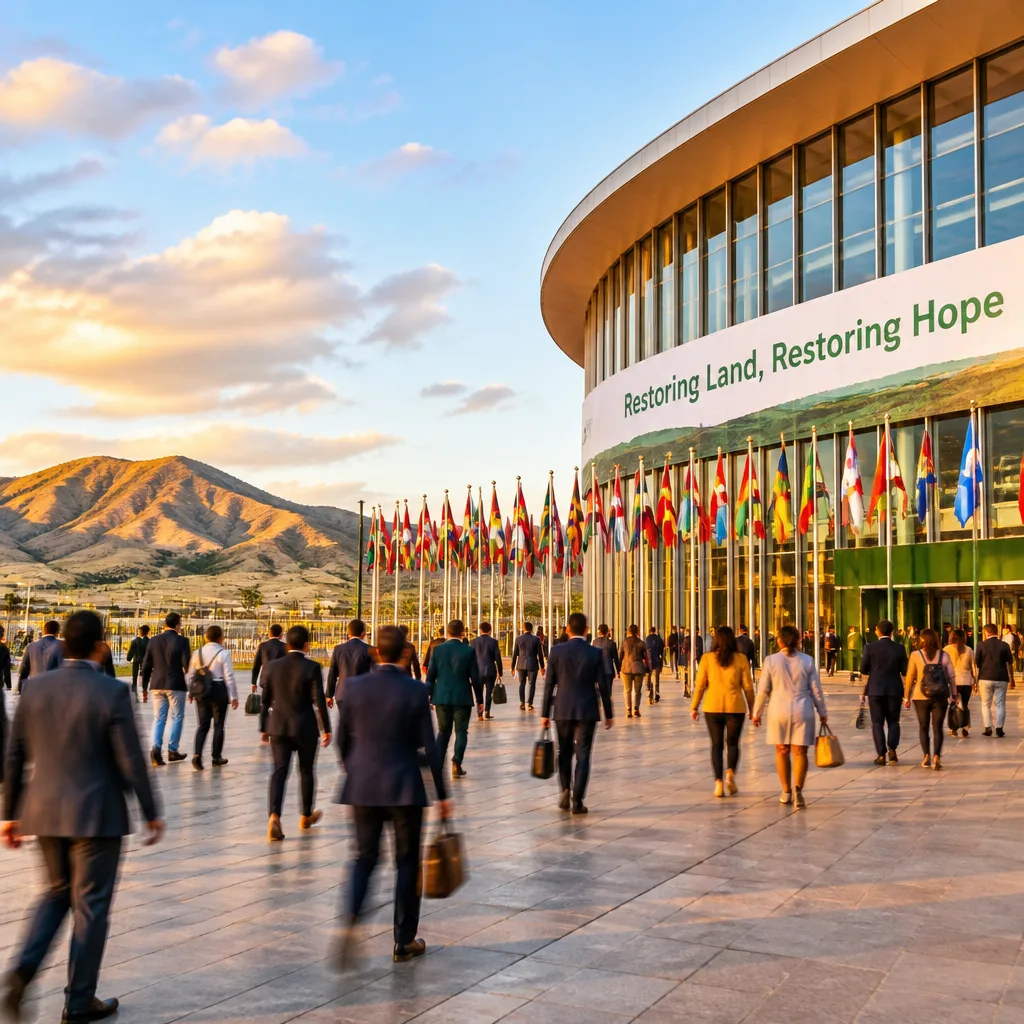
Representatives from 197 countries convene in Ulaanbaatar, Mongolia, from Aug. 17 to 28 for the 17th session of the Conference of the Parties to the United Nations Convention to Combat Desertification (UNCCD COP17), meeting under the theme “Restoring Land, Restoring Hope.”
Why Mongolia matters
Mongolia is the first country from east and central Asia to host COP17. The choice of host underscores the urgency of the summit: nearly 77 per cent of Mongolia’s land area is reported as degraded by the United Nations in Mongolia. That figure is set against a stark global backdrop — the UNCCD estimates that up to 40 per cent of the Earth’s land surface is degraded.
Those statistics translate into tangible harms: water shortages, shrinking biodiversity and families abandoning land that no longer sustains livelihoods. The conference is framed as a response to these interconnected crises, drawing together governments, scientists, communities and civil society to negotiate measures to halt and reverse land degradation.
Faith actors bring a different lens
Faith communities and faith-based organisations arrive in Ulaanbaatar not simply as observers but as active participants with a distinct approach. The World Council of Churches (WCC) — which first attended a UNCCD conference as an accredited organisation at COP16 in Riyadh in December 2024 — emphasises a stewardship-based view: land as a shared gift that invokes questions of justice as well as soil science.
The WCC argues that churches and faith-based groups are often embedded within farming communities and can therefore act as partners in restoration projects rather than external advocates. That position shapes the activities the WCC and its partners have organised for COP17.
- Aug. 18 — A 40-minute presentation by faith-based organisations in the UNCCD Green Zone, the conference’s public-facing area, supported by the G20 Global Land Initiative.
- Daily — Well-being and meditation breaks in the Blue Zone from 13:00 to 13:30 during the first week, offering delegates moments of reflection amid negotiations.
- Aug. 22 — A COP17 side event titled “Restoring Land, Restoring Hope: Faith Communities as Partners in Land Restoration,” convened as a roundtable beginning at 08:30. Speakers will take five minutes each to address scaling up faith-led restoration, touching on financing, technical partnerships, interfaith collaboration and knowledge exchange. Dinesh Suna, WCC programme executive for Land, Water and Food, is listed to speak; the session was submitted by CYNESA.
| Date | Activity | Notes |
|---|---|---|
| Aug. 18 | Green Zone presentation | 40-minute session; public-facing; supported by G20 Global Land Initiative |
| Aug. 18–21 (first week) | Wellbeing breaks | Daily, 13:00–13:30, Blue Zone |
| Aug. 22 | Side event roundtable | 08:30 start; five-minute interventions; submitted by CYNESA |
Implications and tensions
The presence of faith-based voices at COP17 illustrates a wider trend: as global negotiations on land, food and climate grow ever more technical, actors with social capital and local trust can influence the shape of implementation on the ground. Faith groups bring networks, community ties and moral claims about stewardship and justice — arguments that can complement scientific and policy-driven approaches, especially where financing and local buy-in are obstacles.
However, bringing non-governmental actors into formal multilateral settings raises questions about accountability, scale and the translation of moral commitments into measurable restoration outcomes. COP17’s negotiations will have to bridge high-level targets with local realities — financing, technical capacity and governance arrangements remain central sticking points for countries seeking to reverse land degradation.
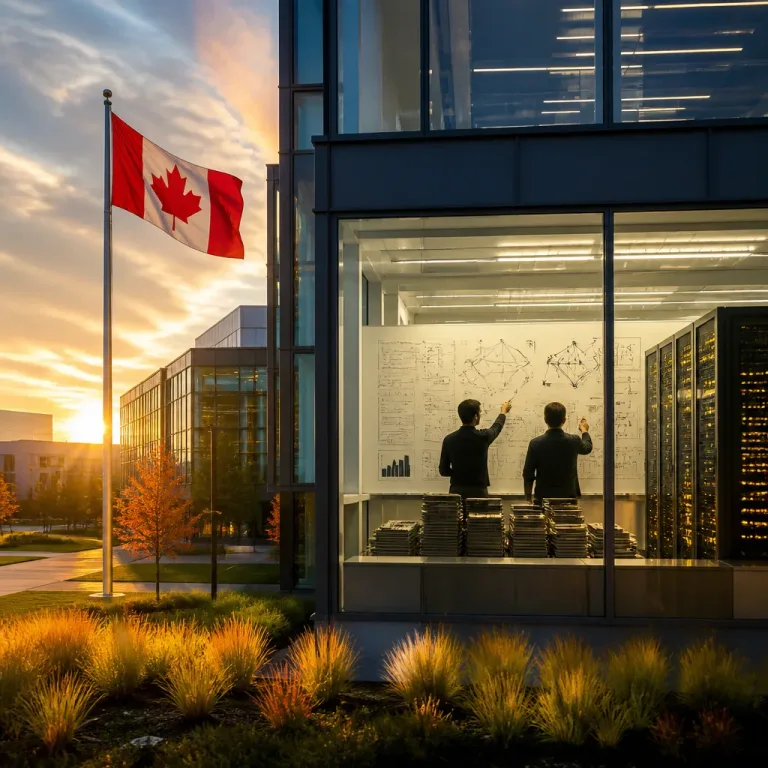
For Canada, COP17’s outcomes will be watched for signals on international financing, partnerships for land stewardship and approaches that recognise Indigenous and faith-based roles in restoration. As delegations depart Ulaanbaatar, the conference’s success will be measured not only by pledges but by the durability of projects that restore soils, secure water and sustain livelihoods.
With nearly half the planet’s productive land under pressure, COP17’s efforts to turn the tide on degradation are likely to resonate far beyond Mongolia — and to test whether global ambition can be matched by concrete, justice-informed action on the ground.