Moncton’s fire department reports a sharp rise in overdose calls over the summer that has since eased, but city officials and emergency responders say the situation remains fragile as they monitor the local drug supply.
Spike in late spring, partial return to lower levels
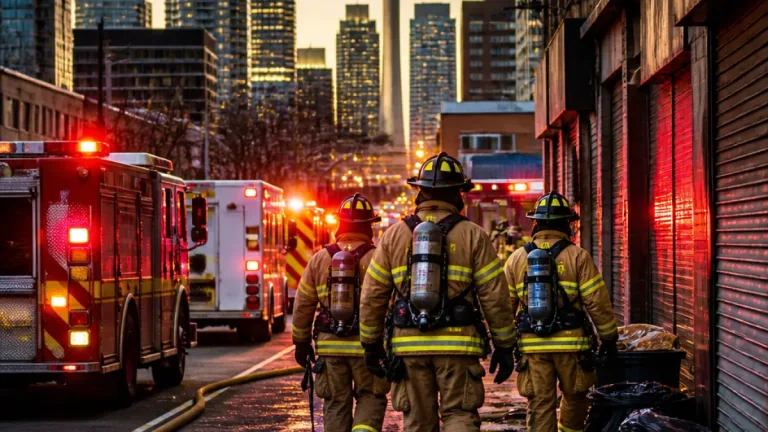
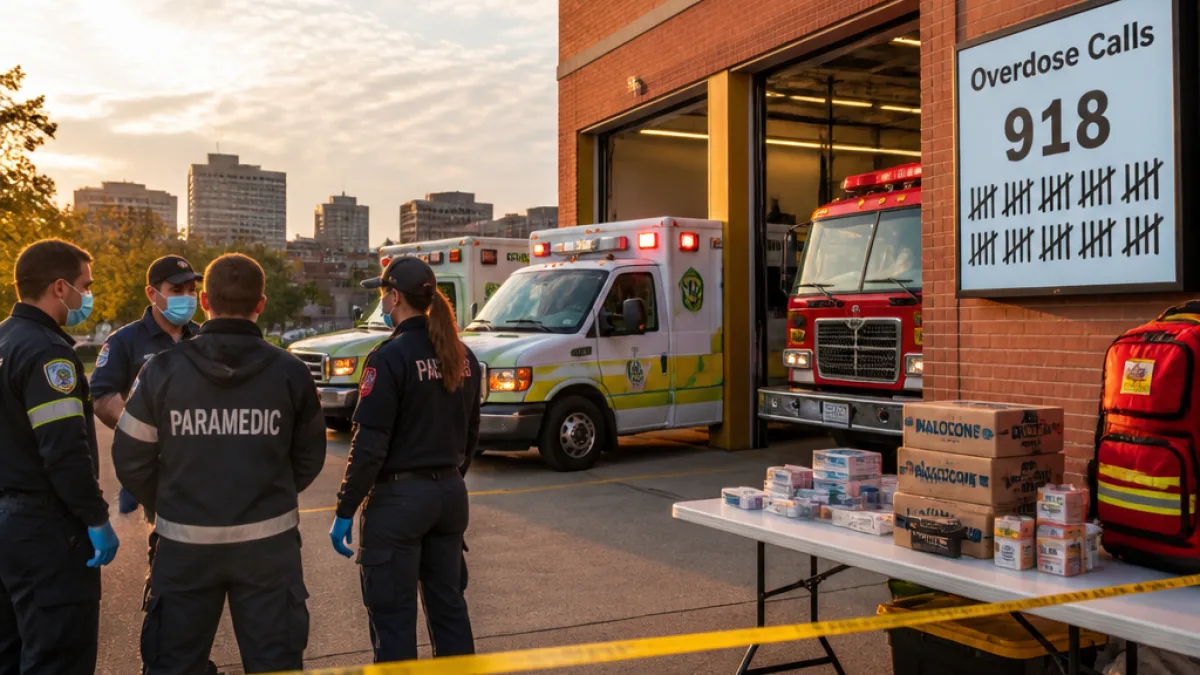
Fire Chief Conrad Landry told Moncton council that the department averaged about 50 overdose calls per day during a surge that began in late May. By mid‑August the number had fallen to an average of approximately four to five overdose calls per day, he said.
"It's not great [because there are] still too many overdoses per day," Landry said, adding that crews are keeping a close watch in case there is another spike or a contaminated batch of drugs arrives in the city.
Scale of demand on emergency services
As of the end of August the Moncton Fire Department had recorded 7,373 total calls for the year, with medical calls representing roughly two‑thirds of that volume. Of those calls, 983 were classified as overdoses — up from 470 overdose calls during the same period last year — and there were 1,431 calls for an unconscious person.
| Measure | Year to end of August |
|---|---|
| Total calls | 7,373 |
| Overdose calls | 983 (this year) vs 470 (same period last year) |
| Calls for unconscious person | 1,431 |
Concerns about toxic drug supply
Public‑health officials warned during the surge that medetomidine — a veterinary tranquilizer — had been detected in the illicit drug supply, frequently mixed with fentanyl. That combination can produce unexpected effects and complicate treatment of overdoses.
"The situation seems to be stabilized and now we're monitoring closely in case there's another spike or another batch of bad drugs that come in," Landry said.
Officials did not provide a confirmed count of fatalities linked to the surge, and some calls classified as an unconscious person may not have been confirmed overdoses at the time responders arrived, Landry told council.
Operational response and community implications
Moncton’s emergency measures office (EMO) and public‑health partners stepped in to help when calls peaked. The high volume placed significant strain on first responders, both in workload and in the need to carry and administer life‑saving interventions.
- Fire department preparedness: crews have increased monitoring and remain ready for rapid changes in call volumes.
- Public‑health surveillance: agencies are tracking toxicology reports to identify emerging contaminants in the local drug supply.
- Community impact: families and neighbourhoods continue to feel the effects of elevated overdose incidents, even as daily numbers decline.
City council received the statistics as part of the fire chief’s regular reporting. Officials emphasised that while the weekly average has decreased from the extreme highs seen in late spring, the presence of potent adulterants such as medetomidine means the risk to residents remains very real.
Moncton residents are being urged to remain vigilant, to seek help if they or someone they know is using substances, and to make use of available harm‑reduction services. Emergency services say they will continue to adapt response plans as the situation evolves.