Blackville, N.B. — Hunters, anglers and outfitters in New Brunswick are expressing alarm after the provincial government signalled it is considering measures that could restrict the issuance of hunting and fishing licences to people from the United States as part of a broader response to an ongoing trade conflict.
Longstanding ties at risk
For many Americans, trips to New Brunswick are more than a weekend getaway; they are decades-long traditions that support rural economies, outfitters and seasonal home owners. Bradford Burns, 75, a fisherman from Friendship, Maine, says he has made the six-hour drive to Blackville multiple times a year for the past 25 years. He stayed in New Brunswick this year from mid-June to mid-July to fish the early salmon run.
Burns told WE NEWS he has invested heavily in local fishing infrastructure over the years and that the province's move has left him worried about the future of his connection to the region.
“I've spent over a million dollars in buying these camps up here and, you know, I don't know if I'll ever get it back,”
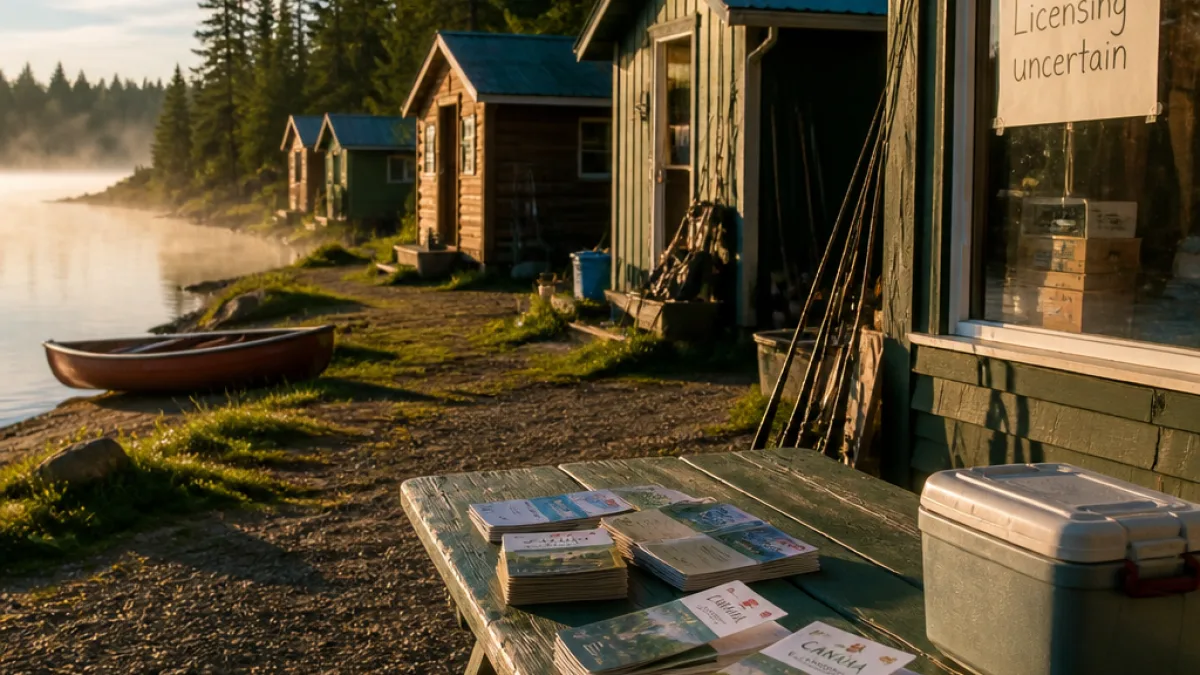
He said the money was spent on camps and fishing rights on the Cains River and the Miramichi, and that he owns the rights to Campbells and Keenans pools in front of his camp just outside Blackville, as well as Doctor's Island in the town. Burns described the personal and economic value of those investments — and the uncertainty he now faces if licence access is limited.
Local businesses and communities could feel the effect
Outfitters and operators who depend on visiting hunters and fishers say the announcement came as a surprise. The province has framed the possible licence restrictions as one tool among others in response to trade measures from the United States, but details about how the policy would be applied or which licences might be affected have not been publicly released.
Seasonal visitors like Burns typically bring revenue to small communities through camp rentals, guides, gear purchases and local services. In many cases those visitors have longstanding relationships with local residents and businesses and have bought property or fishing rights, sometimes investing substantial sums.
| Detail | Fact from source |
|---|---|
| Origin | Friendship, Maine |
| Years visiting N.B. | 25 years |
| Typical stay (this year) | Mid-June to mid-July |
| Age | 75 |
| Reported local investment | Over $1 million on camps and rights |
Concerns about process and notice
People in the hunting and angling community say they were caught off guard by the announcement. Outfitters rely on predictable regulatory frameworks to plan seasons, hire staff and serve clients. Abrupt policy shifts, or even credible threats of them, can disrupt operations and deter visitors who plan months in advance.
Burns spoke of the emotional attachment many visiting anglers have for the rivers and pools they frequent. He described early morning runs to watch salmon, the rhythm of the river and the relationships built with locals over decades.
- Long-term visitors provide steady revenue for rural communities.
- Outfitters require regulatory certainty to plan seasons and staffing.
- Property owners and rights-holders face potential loss of use or value if licence access is restricted.
What remains unclear
At this stage, the province has not published the specific criteria it would use to limit licences or the timeframe for implementation. It is also unclear whether any restrictions would be targeted to particular types of licences, to visitors from certain jurisdictions, or whether exemptions would be considered for long-term residents and investment holders such as Burns.
For anglers and hunters who consider New Brunswick part of their recreational life, the prospect of having access curtailed has raised practical and personal questions. Some said they worry about losing the ability to host companions from the U.S., to continue multi-week stays, or to preserve the value of property and exclusive fishing rights purchased in good faith.
Broader implications
Policy measures that impinge on cross-border recreation would sit at the intersection of provincial regulation, international relations and local economic development. Rural regions of New Brunswick that host outfitters, guide services and seasonal accommodation may be particularly sensitive to any decline in American visitors.
Officials have yet to present a plan with specifics that would allow businesses and visitors to adapt. In the absence of details, people like Burns — who have deep financial and emotional ties to New Brunswick waters — are left to contemplate what could be lost if access is reduced.
WE NEWS sought comment from provincial officials about the intended scope and timeline for any licence changes, and will publish updates as more information becomes available.