Firefighters say surge is straining resources and downtown economy
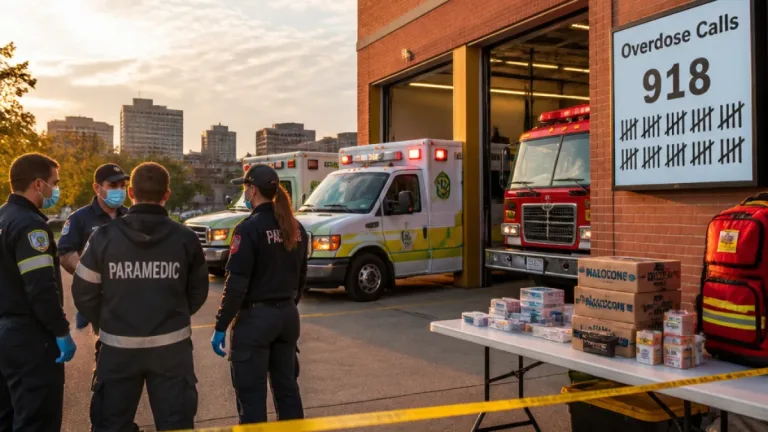
Downtown Calgary is facing a mounting public-safety and economic strain as paramedics and fire crews respond to a steep rise in drug overdose calls, according to the Calgary Firefighters Association and business owners in the core.
Firefighters responded to nearly 6,000 overdose calls between January and July 2026, a figure the union says represents a 143 per cent increase compared with the same period in 2025. The association's president, Jamie Blayney, told media that in July the city saw as many as 35 overdose calls per day, a pace he warned is taking a heavy toll on both municipal resources and firefighters' mental and physical health.
- Calls (Jan–Jul 2026): nearly 6,000
- Year-over-year increase: 143% from Jan–Jul 2025
- Peak daily calls in July: as many as 35 per day
Where the crisis is concentrated
A city overdose-response map shows the highest concentrations of calls in Wards 7 and 8, which cover the downtown and Beltline districts. That pattern aligns with accounts from street-level businesses that say the steady presence of people in distress is pushing customers away and contributing to a sharp decline in foot traffic.
Longtime Stephen Avenue merchant Fauzi Salem, owner of Falafel King, said customers have told him they now avoid street-level access and prefer the Plus-15 network. Salem estimated his business has fallen about 70 per cent and described the area as “hopeless,” pointing to closures and a dwindling customer base.
“They go, ‘Oh, we’re scared to go outside. We stay in the Plus‑15,’” said Salem. “This is the heart of downtown Calgary … They have to support small businesses. They have to do something.”
Food-truck operator Pedro Parada said he generally avoids Stephen Avenue unless attending events, adding that visible overdoses make the street less appealing for customers and vendors.
First responders and officials call for action
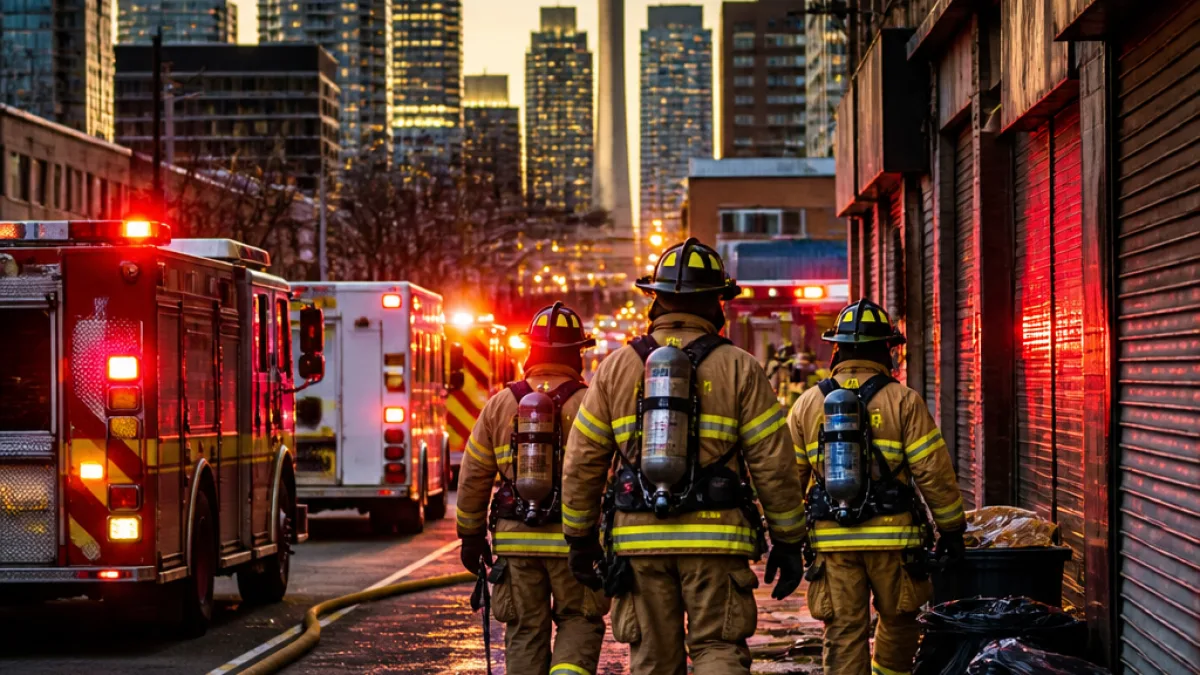
The Calgary Firefighters Association links the spike in calls to shifts in the drug supply and the pressures associated with a city approaching two million residents. Blayney warned that a 143-per-cent increase in any call type will inevitably strain emergency services.
Ward 7 Coun. Myke Atkinson urged the provincial government to take responsibility for addiction and mental-health supports, noting recent policy moves such as the closure of the Sheldon Chumir supervised consumption site occurred without a clear transition plan. Atkinson said those decisions are producing poor outcomes.
The public-health and economic effects are intersecting: higher overdose volumes are stretching emergency resources while downtown businesses report declining revenues and fewer people willing to spend time at street level. The combination raises questions about what coordinated action municipal and provincial authorities will take to protect both public health and the downtown economy.
| Metric | Reported figure |
|---|---|
| Overdose calls (Jan–Jul 2026) | Nearly 6,000 |
| Year-over-year change (Jan–Jul) | +143% |
| Peak daily calls (July) | Up to 35 per day |
For downtown Calgarians — residents, workers and small-business owners — the human cost is evident on the sidewalk and in emergency logs. For firefighters, the uptick has stretched crews and raised concerns about staff well-being. For city councillors and provincial officials, the situation presents a policy test: how to reduce harm, relieve pressure on emergency services and help restore confidence in the downtown core without clear short-term fixes.
The Calgary Firefighters Association, business owners and Ward 7's councillor have publicly called for more supports and clearer provincial action. As the city grapples with the surge, next steps from municipal and provincial leaders will be watched closely by residents and employers who say downtown Calgary's recovery depends on swift, coordinated responses.