
Across Nova Scotia, volunteers and ecologists say a pretty but relentless invader — the multiflora rose — is reshaping woodlands and crowding out native species.
What experts are seeing on the ground
Samantha Knight, an ecologist and lead steward at Fort Needham Memorial Park in north-end Halifax, told CBC Mainstreet that among the invasive plants they manage, multiflora rose is “the single greatest obstacle to Nova Scotia’s forest structure.”
“What it does by disrupting the physical and biological environment around it is it really just provides opportunities for further degradation of the ecosystem,” Knight said.
In the Annapolis Valley, David Steele has organised volunteers in the Wolfville and Kentville area to remove the shrub. He called the plant “vicious,” and described its capacity to take over open areas and outcompete native understory plants.
How the multiflora rose spreads
The multiflora rose was introduced to North America from Asia as rootstock for ornamental rose breeding, and was later adopted by some farmers as a living fence because the thicket it forms is too dense and thorny for livestock to cross. Today, its spread is driven largely by seed dispersal.
- Birds eat the rose hips and carry seeds to new locations;
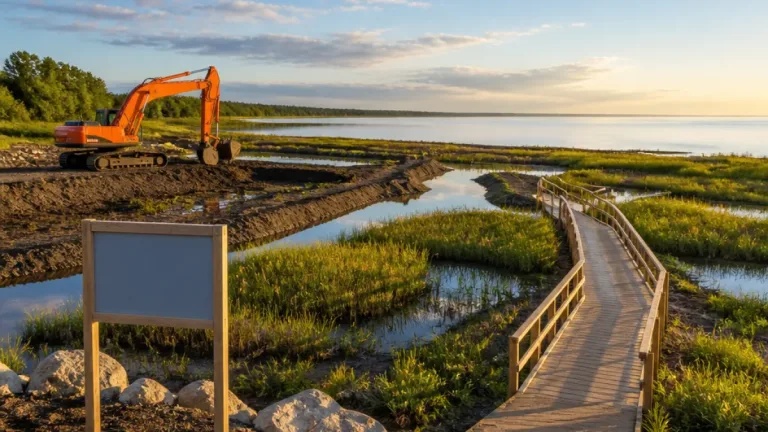
- Seeds can be moved incidentally by machinery and disturbance during construction; volunteers and park stewards have noticed newly colonised patches following ground upheaval;
- Once established, the shrub forms dense tangles that shade and smother native plants, altering the physical and biological character of habitats.
Local response and community action
Volunteer groups led by people such as David Steele are focused on manual removal in parks and green spaces. In Halifax, stewards at Fort Needham are among those prioritising invasive plant control.
Efforts described in the reporting are largely hands-on and community driven. The volunteers’ work targets both visible thickets and young plants before they set fruit, an approach that community stewards say is crucial to slowing expansion.
Why it matters to Nova Scotia’s ecosystems
When multiflora rose dominates an area it can change:
- Light availability for ground plants, preventing regeneration of native wildflowers and shrubs;
- Habitat structure, favouring dense thorny thickets over more diverse understorey habitats;
- Long-term biodiversity, with implications for species that depend on native plant communities.
Ecologists warn that by disrupting these elements, the rose not only replaces native plants but can pave the way for further ecological degradation.
Quick reference: multiflora rose at a glance
| Feature | Notes |
|---|---|
| Origin | Introduced from Asia as rootstock for ornamental breeding |
| Appearance | Delicate pink or white flowers; dense thorny canes |
| Main dispersal | Seeds carried by birds and moved during soil disturbance |
| Primary impact | Outcompetes native plants, forms dense thickets |
Practical considerations for landowners and park users
The reporting highlights volunteer removal as an active response in affected communities. Landowners and managers concerned about multiflora rose should monitor hedgerows, field edges and disturbed sites for young plants and fruiting shrubs, and consider early removal before seeds are produced.
Where community groups are active, joining a local stewardship effort can be an effective way to learn safe removal techniques and help protect nearby green spaces.
Ongoing challenge
While multiflora rose may still be admired in cultivated settings for its blooms, the consensus among local experts and volunteers is clear: its ecological cost in wild and semi-wild spaces is severe.
Efforts to control it are steady but require sustained attention, coordination and community involvement across Nova Scotia if native forests and parklands are to be protected from further spread.
— Reporting from Halifax.