
Provincial health authorities are warning that short- and long-term exposure to wildfire smoke can harm health and are urging people to take practical steps to limit their exposure as air-quality conditions deteriorate.
Immediate and lasting risks
Smoke from wildfires contains a mixture of gases and fine particles that can trigger immediate symptoms such as headaches, irritated eyes, sore throat, coughing and wheezing. Health authorities say that those effects can be more severe for people with pre-existing heart or lung disease. Over time, repeated or prolonged exposure to smoke is linked with a higher likelihood of developing chronic conditions, including heart disease and cognitive decline.
Who is most vulnerable
Certain groups face greater risk of serious effects and are advised to take additional precautions. Those groups include:
- people with asthma, chronic obstructive pulmonary disease (COPD), heart disease or diabetes;
- pregnant people;
- infants and young children;
- older adults.
Health officials recommend that people with chronic illnesses review their care plans and ensure they have an ample supply of prescribed medications during smoke events.
Practical steps to reduce exposure
Authorities say reducing time spent in smoky air is the most effective way to lower health risks. Recommended measures include keeping informed about current conditions, improving indoor air quality, and adjusting daily activities.
| Action | Why it helps |
|---|---|
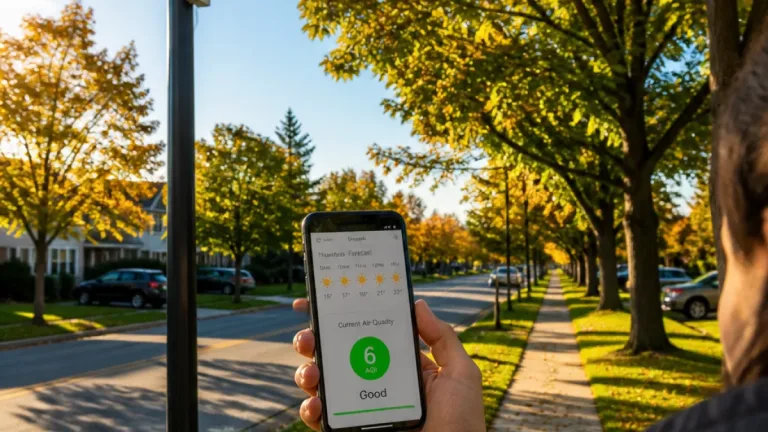
| Monitor air quality (e.g., AQHI, AQmap.ca) | Helps decide whether to stay indoors or modify activities |
| Create a clean-air space at home | Portable filters or upgraded HVAC filters reduce indoor particle levels |
| Use well-fitting respirator masks (N95/KN95/KF94) | Filters fine particles when outdoor exposure is unavoidable |
| Avoid indoor combustion sources | Prevents additional indoor pollution from smoking, candles, wood stoves |
Officials advise keeping doors and windows closed while running air-cleaning devices, provided indoor temperatures remain safe. When heat and smoke occur together, they caution that heat may present a greater immediate danger than smoke, and people should seek cooler indoor environments if possible.
Community supports and workplaces
During intense smoke conditions, some communities establish public clean-air spaces — for example libraries, community centres or shopping centres — where people can get temporary relief from poor outdoor air. Outdoor workers should follow workplace guidance to limit exposure, and employers are encouraged to implement measures such as modifying tasks, increasing breaks, or providing appropriate respirators.
Health officials also caution against strenuous outdoor exercise when air-quality indicators show elevated smoke, and they encourage parents and caregivers to closely monitor young children for signs of distress.
Balancing risks and practicalities
Public-health messaging emphasises that simple changes can reduce harm during smoke events, especially for people at increased risk. Maintaining access to medical advice and medications, checking local air-quality tools regularly and creating a low-pollution indoor refuge are among the primary steps recommended.
Key practical points:
- Check air-quality reports before planning outdoor activities.
- Create a cleaner indoor environment using filters and closed windows.
- Use well-fitted respirators when outdoor exposure is unavoidable.
As wildfire seasons lengthen and the frequency of smoke events increases, public-health officials say preparedness and timely action can reduce avoidable health impacts across the population.