Fake "scan to pay" stickers found across city metres
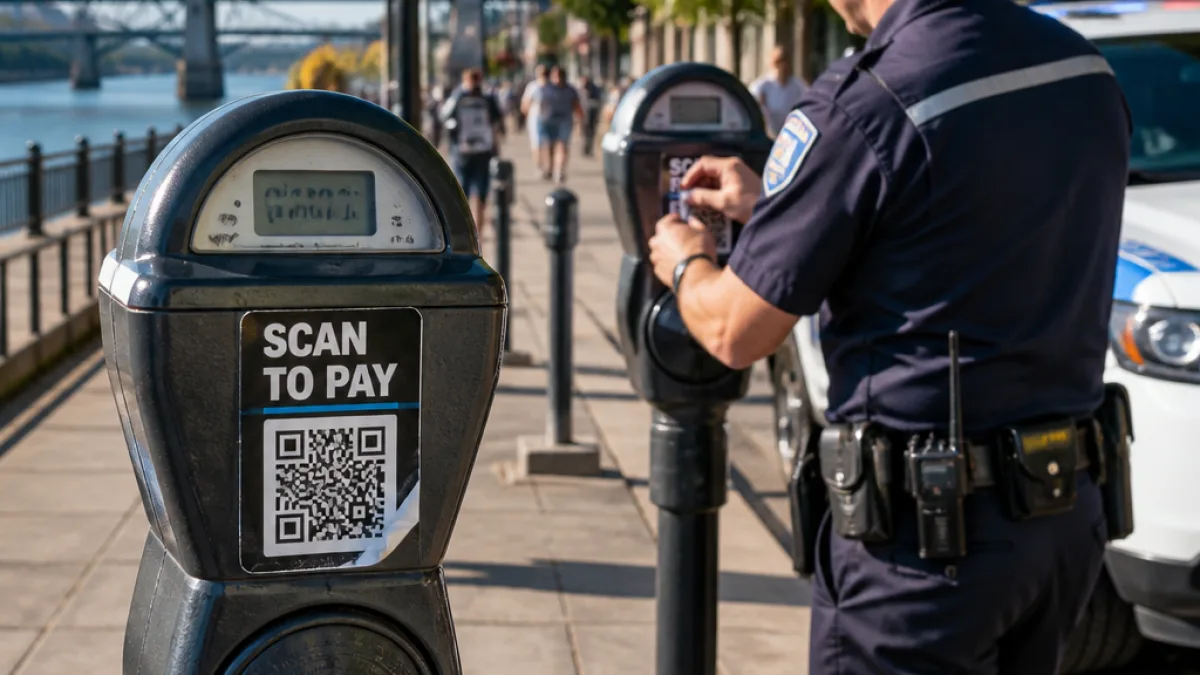
The New Westminster Police Department is investigating a series of fraudulent QR-code stickers placed on parking metres across the city that redirected drivers to a counterfeit payment website. Authorities warn residents the City of New Westminster does not use QR codes for parking payments, and several people who scanned the codes later reported unauthorised withdrawals from their accounts.
Police say the stickers were labelled with wording such as "scan to pay" and mimicked the appearance of legitimate payment prompts. In at least one confirmed instance a victim lost $2,000 after entering credit-card information on the bogus site.
Police response and public advisory
Officers have already been removing the fraudulent stickers from metres across New Westminster and continue to investigate how the decals were affixed and who is responsible. The New Westminster Police Department advises anyone who scanned a QR code on a parking metre within the last five days to review bank and credit-card statements for suspicious activity and notify their financial institution immediately if they suspect fraud.
"We would like to remind the public to be vigilant. While the stickers may appear legitimate, acceptable forms of payment are printed on signs above or on the meter,"
The comment was provided by Sgt. Andrew Leaver, the NWPD's media relations officer, who confirmed officers have removed numerous stickers from city metres.
How to protect yourself
City signage and the metres themselves list the accepted payment options for parking. Police emphasise using only the methods shown on those signs rather than scanning codes that are not part of the city's published payment systems.
- Do not scan unfamiliar QR codes on public devices.
- Compare payment methods on the meter or nearby signage to any prompts you receive.
- Monitor bank and card statements closely for unexpected charges.
Practical steps and resources
Victims of the scam are urged to contact their bank or card issuer to report unauthorised transactions. They should also file a report with the New Westminster Police Department to support the ongoing investigation.
| Action | Why it matters |
|---|---|
| Check account statements | Early detection can limit losses and speed up dispute resolution |
| Notify your bank | Banks can freeze cards and investigate unauthorised transactions |
| Report to NWPD | Provides investigators with leads and helps track patterns |
Police did not disclose how many people have reported losses beyond the confirmed $2,000 case, or whether any suspects have been identified. The investigation remains active. Residents who believe they may have been affected are asked to contact their bank and file a police report so investigators can gather information on timing, location and the specific appearance of the decals.
Implications for the city and commuters
The incident raises questions about the vulnerability of public infrastructure to small, targeted tampering and the ways scammers exploit convenience technologies. For New Westminster commuters and visitors who rely on street parking, the key takeaway from police is to rely on the payment options shown on metres and accompanying signage rather than QR codes that have not been officially issued by the city.
As officers continue to canvass metres and remove fraudulent stickers, the NWPD and city officials are expected to evaluate measures to prevent similar scams, including increased meter inspections and clearer on-device payment messaging. In the meantime, motorists should exercise caution and treat unexpected QR prompts as suspicious.
Anyone who used a QR code to pay for parking within the past five days is urged to carefully review financial statements and report any suspected fraud to their bank and the New Westminster Police Department.