Trees around Greater Victoria are showing signs of premature leaf colour and early leaf drop, a symptom local arborists link to prolonged heat and dry soils rather than the natural approach of fall. The visible browning — often called leaf scorch — is an indicator that trees are under water stress and shifting energy away from photosynthesis.
What’s happening to the leaves
The green colour of leaves comes from chlorophyll, which absorbs sunlight for photosynthesis. When soil moisture becomes scarce, trees prioritise core functions and reduce chlorophyll production, which in turn reveals yellowing and browning earlier than the usual autumn schedule. Normally, leaf colour change occurs later in the season, typically in September or October, but the current pattern is linked to environmental stress.
Practical steps homeowners can take
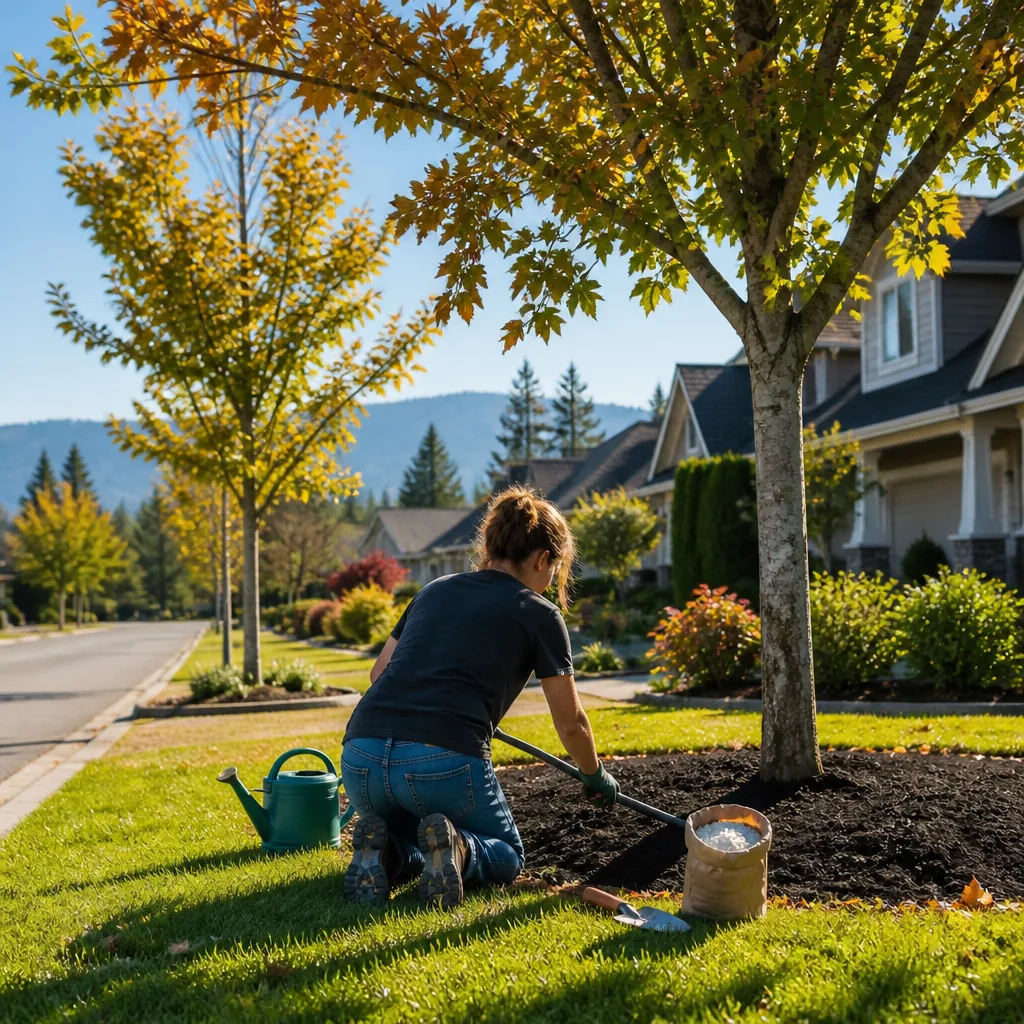
Matthew Coady, an arborist and Western operations area manager for Davey Tree Canada, recommends targeted interventions to help drought-stressed trees recover some resilience. His guidance focuses on getting water to the deeper absorbing roots, rather than relying on routine surface watering that primarily benefits turf grass.
- Water deeply and regularly: aim to soak the root zone rather than lightly wetting the surface; Coady suggests watering drought-stressed trees ideally once a week.
- Target the drip line: direct water to the area beneath the outermost spread of branches where most feeder roots are located.
- Consider professional treatments: deep-root fertilization can be an option to support root health, if budgets allow.
“The watering of the grass, depending on the volume of water … is normally not enough to get down to the deeper absorbing roots of the trees.”
Coady cautions that watering or fertilizing will not reverse already changed leaf colour or re-green a tree, but these measures can strengthen trees and help them better withstand ongoing stressors.
Why the timing matters and what to watch for
Early leaf browning and drop can make trees more vulnerable to secondary threats such as pests and disease. A weakened tree with diminished reserves may be less able to defend against insect attack or pathogen invasion, compounding the original stress from drought. For property owners, keeping a regular watch on foliage condition and calling an arborist for an assessment can help identify at-risk trees before problems escalate.
Coady also described a summer-applied deep root fertilizer as an option for some property owners. He framed the treatment as a proactive, supportive measure for the root system — likening it to an "immune system boost" though he noted the analogy is not strictly scientific in precision. According to the arborist, when applied in summer it can achieve deep saturation and provide benefits that can last about a year.
| Recommended action | Notes from the arborist |
|---|---|
| Deep, targeted watering | Ideally once a week; focus on the drip line to reach deeper roots |
| Deep root fertilization | Applied in summer for deep saturation; can strengthen root structure and last roughly a year |
For many homeowners, scheduling a visit from an arborist can provide a tailored plan that assesses species sensitivity, soil conditions and the most effective watering or treatment schedule. Coady suggests that most arborists are willing to inspect trees and make recommendations, but he emphasises that even owners keeping a closer eye themselves can make meaningful interventions early.
While leaf scorch is visually striking and worrying, the response is practical: prioritise deep soil moisture for trees, monitor for secondary stresses, and consult certified arborists when considering treatments such as deep root fertilization. These steps can help trees hold on through the dry period and reduce the risk of longer-term decline.