
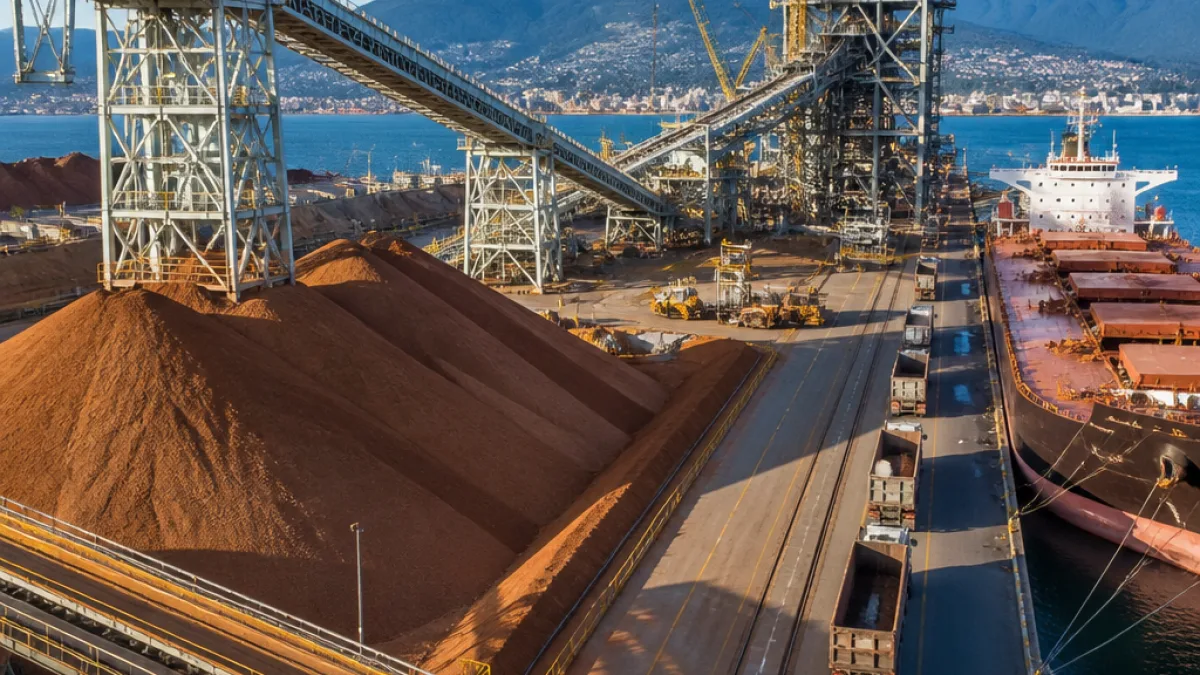
Canpotex, the Saskatoon-based marketing and export arm for potash produced by Mosaic and Nutrien, has announced a $500-million investment to modernize facilities at the Port of Vancouver. The project centres on upgrades at Neptune Bulk Terminals, where the company intends to replace shiploaders, conveyors and related infrastructure.
What the project will do and when
Canpotex says construction work will take place while shipping operations continue, and the company expects the modernization to be finished in 2028. The work is described as a replacement and modernization of key handling systems used to load potash onto oceangoing vessels.
Economic framing and supply-chain implications
In a news release cited by local outlets, Saskatchewan Premier Scott Moe framed the investment as a way to move more potash to international markets and to support economic growth in Saskatchewan and across Canada. Canpotex’s leadership has characterised the work as securing the company’s ability to export through the Port of Vancouver for the coming decades.
- Cost: $500 million
- Location: Neptune Bulk Terminals, Port of Vancouver
- Construction timeline: Underway with completion expected in 2028; shipping to continue during work
- Owners of product: Potash produced by Mosaic and Nutrien, marketed and delivered by Canpotex
Local consequences and considerations
The Port of Vancouver is Canada’s largest port by tonnage and a critical gateway for Western Canadian commodities. Upgrades to Neptune Bulk Terminals could affect local traffic, employment and port operations, particularly as they are carried out while cargo movements continue. Residents and businesses dependent on the port’s efficiency — from longshore workers to truck and rail operators — will be watching how the construction is staged and how it affects schedules and capacity.
Neptune Bulk Terminals handles a range of bulk agricultural and mineral products. Modernizing shiploaders and conveyor systems can reduce maintenance downtime and improve loading rates, which in turn can influence vessel turnaround times and berth availability across the facility. The company’s assurance that shipping will continue uninterrupted aims to limit disruption to supply chains that rely on potash exports.
Regional context
The move highlights the Port of Vancouver’s role as a trans-Pacific export hub for prairie commodities. For Saskatchewan, which produces most of Canada’s potash, safe and reliable access to Pacific shipping lanes is essential to reach large overseas markets. For Vancouver, investments that extend the life and capability of existing terminals can mean continued revenue for port-related services and ongoing employment, but also renewed scrutiny from community and environmental groups concerned about industrial expansion and its local impacts.
| Item | Detail |
|---|---|
| Investor | Canpotex (Mosaic and Nutrien joint venture) |
| Investment amount | $500 million |
| Facility | Neptune Bulk Terminals, Port of Vancouver |
| Expected completion | 2028 |
Local stakeholders — including the Greater Vancouver Gateway Council, port users, municipal planners and environmental organisations — will likely press for details about project staging, emissions and traffic mitigation measures. While the initial announcements frame the project in terms of market access and longevity of service, the practical questions for Vancouver will hinge on how construction is managed within a busy industrial waterfront and what measures are taken to reduce community impacts.
Canpotex markets and delivers potash produced by Mosaic and Nutrien. The company’s stated objective in renewing terminal infrastructure at Neptune is to maintain and extend export capability through Vancouver, preserving a long-term shipping route for prairie potash into international markets.
As work proceeds, Vancouver residents and businesses tied to port activity will be watching for more detailed project plans, environmental assessments and information on local traffic and employment effects.











