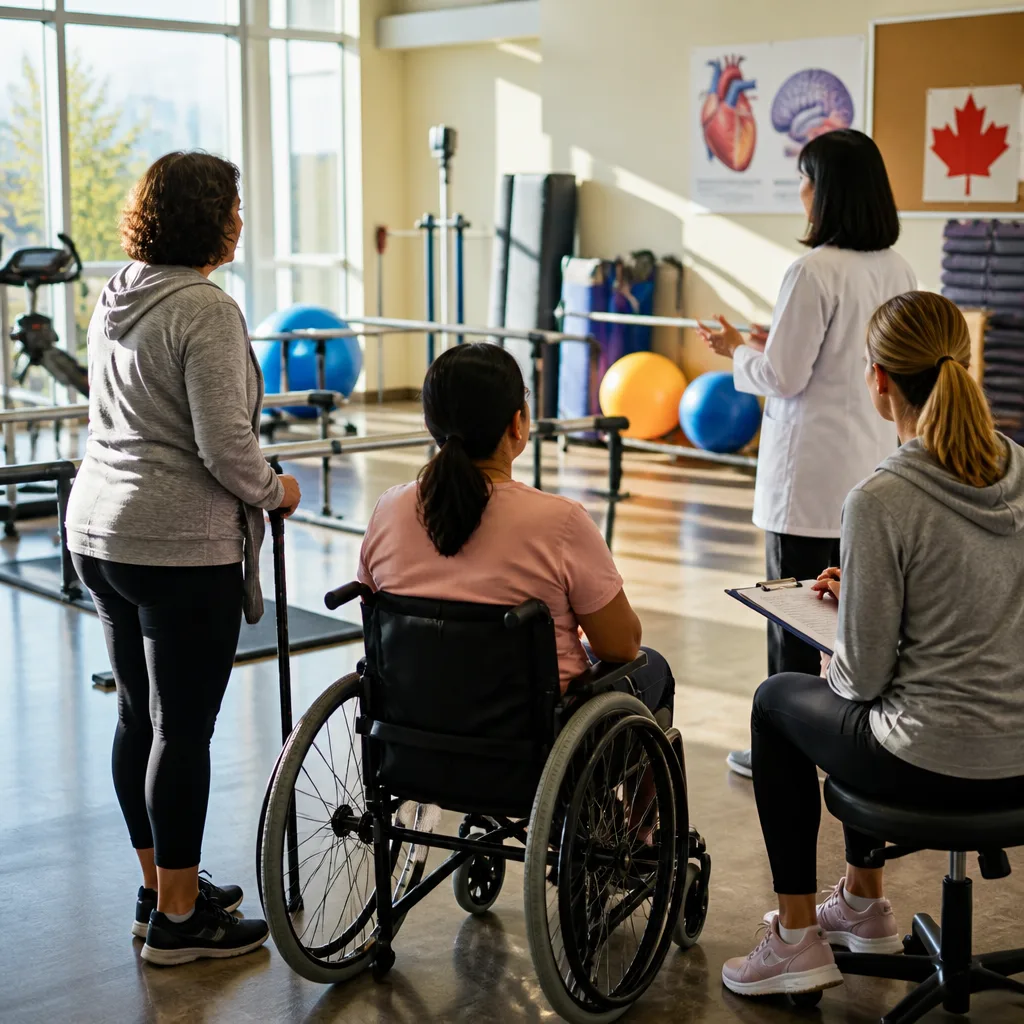
The federal health research landscape will gain a new Canada-wide collaboration aimed at improving rehabilitation and long-term recovery for women who experience heart and brain events such as stroke, heart attack and cardiac arrest.
National network targets gaps in women’s recovery
The project, called the RENEW Network (Redesigning Effective aNd Equitable systems of care for Women's heart-brain recovery), was awarded $5 million in funding spread over five years. Led by Dr. Jodi Edwards of the University of Ottawa Heart Institute and the Bruyère Health Research Institute, the network brings together researchers, clinicians, people with lived experience and health-system leaders to generate evidence and practical solutions to persistent inequities in post-event rehabilitation.
Organizers say women frequently face later or reduced access to rehabilitation services compared with men, lower referral rates and lower participation in recovery programmes. The RENEW Network intends to tackle those disparities by redesigning services with a whole-person approach that explicitly considers sex-specific biology, psychosocial factors and structural barriers.
Focus areas and the rationale for change
The RENEW collaboration will prioritise areas where the shortfall in current practice is most apparent, including:
- How menopause and other sex-related physiological factors affect recovery trajectories;
- Mental health and emotional support needs during rehabilitation;
- Intersecting social determinants such as geography, income, ethnicity, disability and caregiving responsibilities that limit access to care;
- Designing culturally safe and gender-responsive rehabilitation pathways that improve referrals and participation.
"The RENEW Network represents an important step forward in addressing inequities in rehabilitation and recovery," said Doug Roth, chief executive officer of Heart & Stroke.
Heart & Stroke is funding the network in partnership with Brain Canada. The groups say the collaboration will generate new evidence and practical models intended for real-world implementation across Canadian health systems.
Evidence gaps and intended impact
According to the announcement, rehabilitation systems have often failed to account for sex-specific recovery factors and sociocultural differences that shape women's access and outcomes. The RENEW Network aims to produce research that can guide clinical practice, referral processes and system design so that services are more equitable and effective.
Project leaders emphasise co‑production of knowledge: researchers will work alongside clinicians and people with lived experience to identify priorities and test solutions. The intention is to develop interventions and service models that can be scaled across diverse settings, from acute care discharge planning to community-based rehabilitation.
| Item | Detail |
|---|---|
| Funding | $5 million over five years |
| Lead institutions | University of Ottawa Heart Institute; Bruyère Health Research Institute |
| Main focus | Rehabilitation and recovery for women after heart and brain events |
Broader implications for Canadian care
Experts and advocacy groups have increasingly highlighted sex- and gender-based gaps in cardiovascular and stroke care. Women often present with different symptoms, have different comorbidity patterns and may experience social roles that complicate attendance at rehabilitation programmes. By concentrating research efforts specifically on women’s recovery, the RENEW Network seeks to create evidence-based pathways that acknowledge biological differences and social realities.
Heart & Stroke’s partnership with Brain Canada and the network’s national scope are intended to promote consistent approaches across provinces and territories. Project leaders say the network will aim to influence policy, clinical guidelines and service delivery so that women receive timely, culturally safe and gender-responsive rehabilitation when they need it.
The network’s emphasis on co‑design and knowledge translation will be critical to turning research findings into practice changes. If successful, the initiative could narrow disparities in referral and participation rates, improve functional outcomes and enhance quality of life for women recovering from heart and brain health events.
Further details about specific research projects, participating sites and timelines will be released by the network as it moves from planning into implementation.