
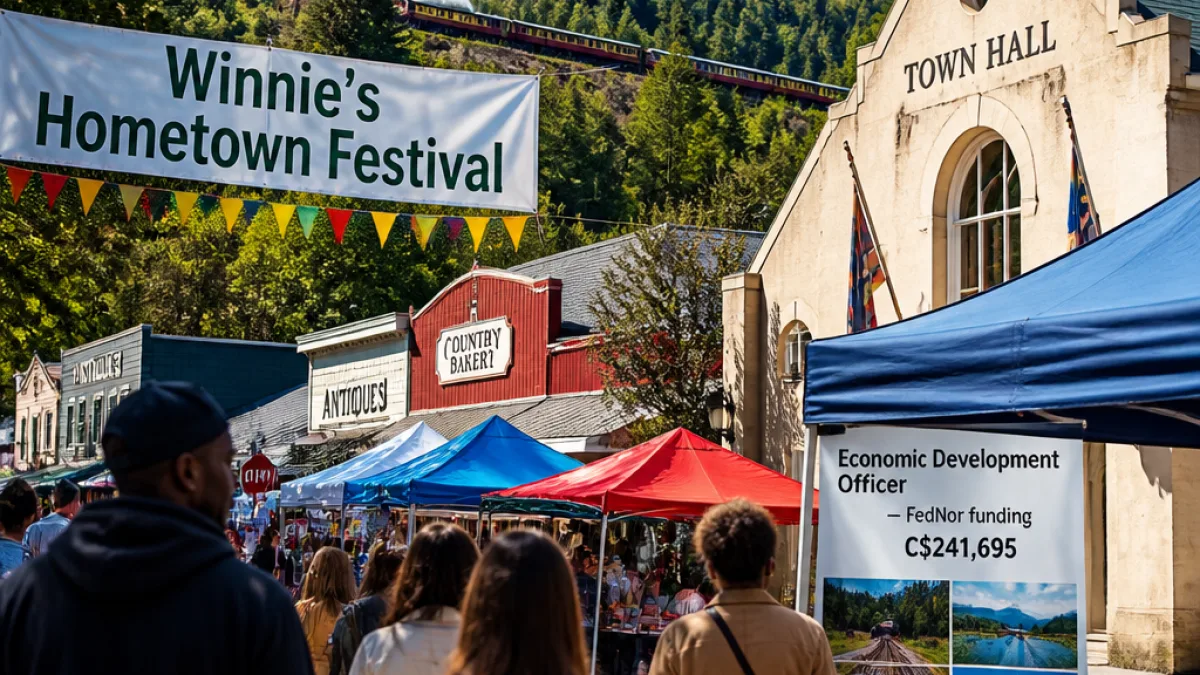
White River has secured funding to hire an economic development officer (EDO) for three years, a move intended to drive investment and tourism planning, support local businesses and address housing and labour issues, according to an announcement by federal and municipal officials.
What was announced
The funding, provided by the Federal Economic Development Agency for Northern Ontario (FedNor), totals C$241,695 and will cover the EDO position for a three-year period. The announcement was made at the 38th Winnie’s Hometown Festival, which celebrates White River’s association with the real bear cub that inspired the Winnie‑the‑Pooh stories.
“Economic development in rural communities requires specific local knowledge and awareness. The Algoma region is full of communities and people with the ideas and ability to drive our region into a thriving future, and this investment will help give them the exact support they need to make it reality,” said Terry Sheehan, Member of Parliament for Sault Ste. Marie—Algoma.
The release said the EDO will lead projects to grow investment and tourism, prepare materials to attract investors, work with local businesses to identify challenges and opportunities, and address other community needs including housing and labour force challenges. The funding was announced jointly by Terry Sheehan and Tara Anderson Hart, the mayor of the Township of White River.
Why this matters for small towns
Rural towns depend heavily on local knowledge and tailored interventions to build economic resilience. The Canadian funding model channels targeted, time‑bound support for a dedicated municipal post to co‑ordinate tourism promotion, investor engagement and workforce initiatives. For towns that rely on events, heritage assets or a seasonal tourism economy, having an EDO can centralise planning, marketing and stakeholder engagement.
- Coordinator role: An EDO acts as a single point of contact for investors and project leads, reducing fragmentation.
- Tourism development: The role can professionalise destination marketing and develop festival-based opportunities into year‑round draws.
- Business support: Local firms gain assistance identifying market and skills gaps, and preparing investment packets.
- Housing and labour: Short‑to‑medium term planning can identify essential interventions to retain and attract workers.
Funding details at a glance
| Item | Detail |
|---|---|
| Funder | FedNor (Federal Economic Development Agency for Northern Ontario) |
| Amount | C$241,695 |
| Duration | Three years |
| Purpose | To fund an EDO to grow investment and tourism, assist businesses, and address housing and labour challenges |
Local officials framed the investment as a way to turn community knowledge into practical action that supports both the immediate area and its wider region. The announcement coincided with a major local festival, underscoring the link between events and place‑making strategies.
What residents and councils can take from it
For municipalities in Mpumalanga and elsewhere, the White River example suggests that short‑term, targeted funding for professional capacity — as opposed to one‑off project grants — can strengthen tourism products, improve investor readiness and create a focal point for tackling linked issues such as housing and labour supply. It also highlights how festivals and heritage can be leveraged to announce and anchor longer‑term economic initiatives.
While provincial and national funding mechanisms differ, the principles behind the Canadian model — local knowledge, a dedicated co‑ordinator, and a clear mandate linking tourism, investment and workforce planning — provide practical ideas for councils and local tourism agencies wrestling with similar challenges.
Observers said the White River announcement demonstrates how aligning funding with a clear operational role can convert community assets into structured development efforts that support resilience and growth.













