
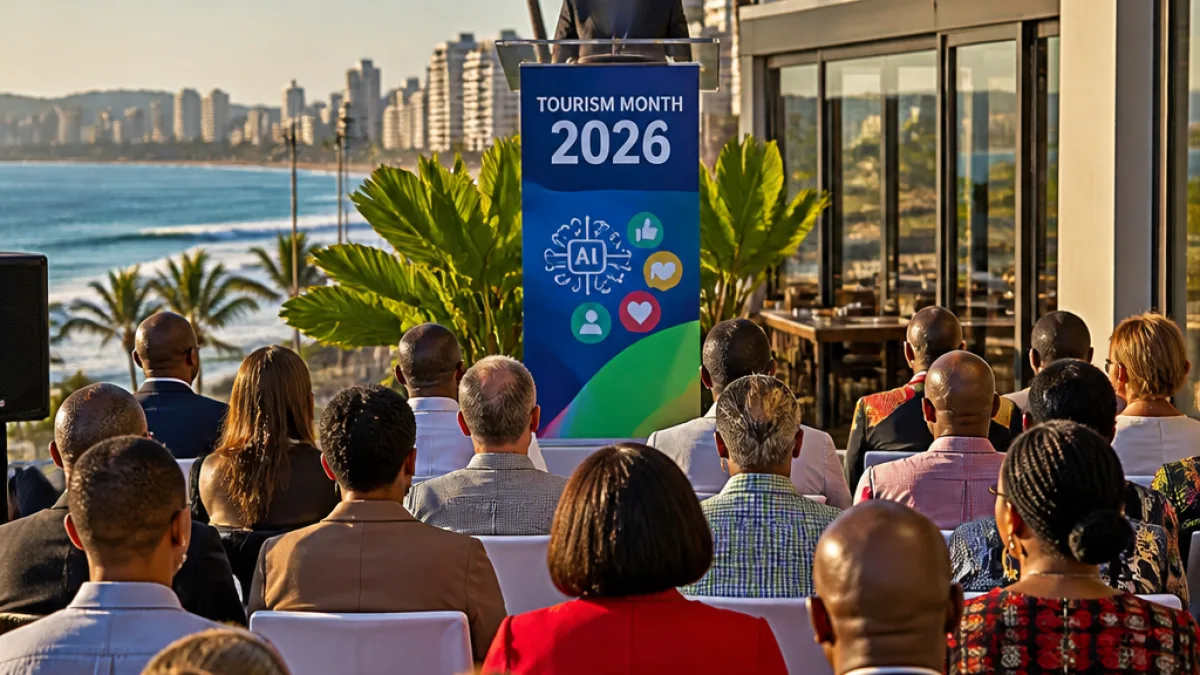
Tourism Month 2026 opened on 13 August with a national call for South Africans to travel at home and for tourism businesses to embrace digital innovation, including artificial intelligence (AI) and social media, to attract visitors.
National launch and the digital focus
The official launch, held at 9th Avenue Restaurant in Durban, was led by Minister of Tourism Patricia de Lille. The 2026 theme, “Growing South Africa’s Tourism Sector in the Digital Era”, highlights how travellers increasingly use online platforms and AI tools to discover destinations, plan itineraries and make travel decisions.
De Lille urged that digital transformation should benefit smaller operators as much as larger firms. She stressed the importance of ensuring that technology reduces barriers rather than creating new ones for small and medium-sized tourism enterprises.
"Technology should lower barriers to participation and not create new ones," said Minister Patricia de Lille.
Domestic travel: numbers and opportunities
The government pointed to growth in domestic travel in the first half of 2026 as a foundation for the sector’s recovery. Key figures published at the launch include:
- 21.2 million overnight trips by South Africans in H1 2026, up 4% from 20.4 million in the same period last year.
- 5.2 million holiday trips in the first half of 2026, a rise of 36% year-on-year.
- Nearly 5.6 million international tourists arriving between January and June 2026, an increase of 12% compared with the same period in 2025.
These gains underline the vital role of domestic travellers in sustaining jobs and small businesses in hospitality, guiding, and transport—sectors that provide work opportunities for women, young people and entrepreneurs.
National campaigns and provincial weeks
The Tourism Month programme includes several nationally co-ordinated promotions designed to make travel more affordable and to stimulate regional demand. Among the initiatives highlighted at the launch were:
- Sho’t Left Travel Week — discounted packages to encourage South Africans to take short domestic trips during September;
- South African National Parks (SANParks) Week — promoting visits to parks and nature reserves;
- Provincial Mahala Weeks — locally run weeks offering deals and access to attractions.
Minister De Lille also announced that Limpopo will take a prominent role in the sector’s 2026 focus, though the national push is designed to stimulate travel across all provinces, including Mpumalanga, where game reserves, waterfalls and golf routes rely on both domestic and international visitors.
Digital tools: promise and practical challenges
The minister pointed to social platforms such as TikTok as powerful marketing channels, particularly for smaller operators who can reach wider audiences beyond their immediate regions. AI tools are already being used to search for destinations, prepare customised itineraries and translate information for diverse travellers.
However, the minister’s emphasis that technology must not create new obstacles is a reminder of persistent challenges: unequal access to high-speed connectivity, digital skills gaps among small operators, and the cost of adopting new systems. Closing those gaps will determine whether digital tools truly democratically expand participation in the tourism economy.
What this means for Mpumalanga
Mpumalanga’s tourism economy, which depends on domestic weekenders and international visitors to attractions such as the Panorama Route and provincial conservation areas, stands to gain if national campaigns convert into increased bookings and if small operators can leverage digital marketing tools.
Local business owners and tourism operators should consider practical steps now: optimise listings on major social platforms, explore affordable AI-powered itinerary or booking tools, and apply for provincial or sector support programmes that build digital skills. Municipal and provincial tourism offices can play a key role in connecting smaller enterprises with training and promotional platforms.
Data snapshot
| Metric | H1 2026 | Change vs H1 2025 |
|---|---|---|
| Overnight domestic trips | 21.2 million | +4% |
| Holiday trips | 5.2 million | +36% |
| International tourists (Jan–Jun) | ~5.6 million | +12% |
The launch sets a national tone for September’s Tourism Month and the Sho’t Left promotions. For tourism-dependent communities across Mpumalanga, the success of the campaign will depend on practical digital inclusion, targeted provincial partnerships and the ability of small businesses to convert online interest into reservations and repeat visitors.
As the sector leans into the digital era, provincial tourism authorities and local operators will need to balance promotional innovation with investment in skills and connectivity so that the benefits of growing visitor numbers reach communities and enterprises outside major urban centres.













