
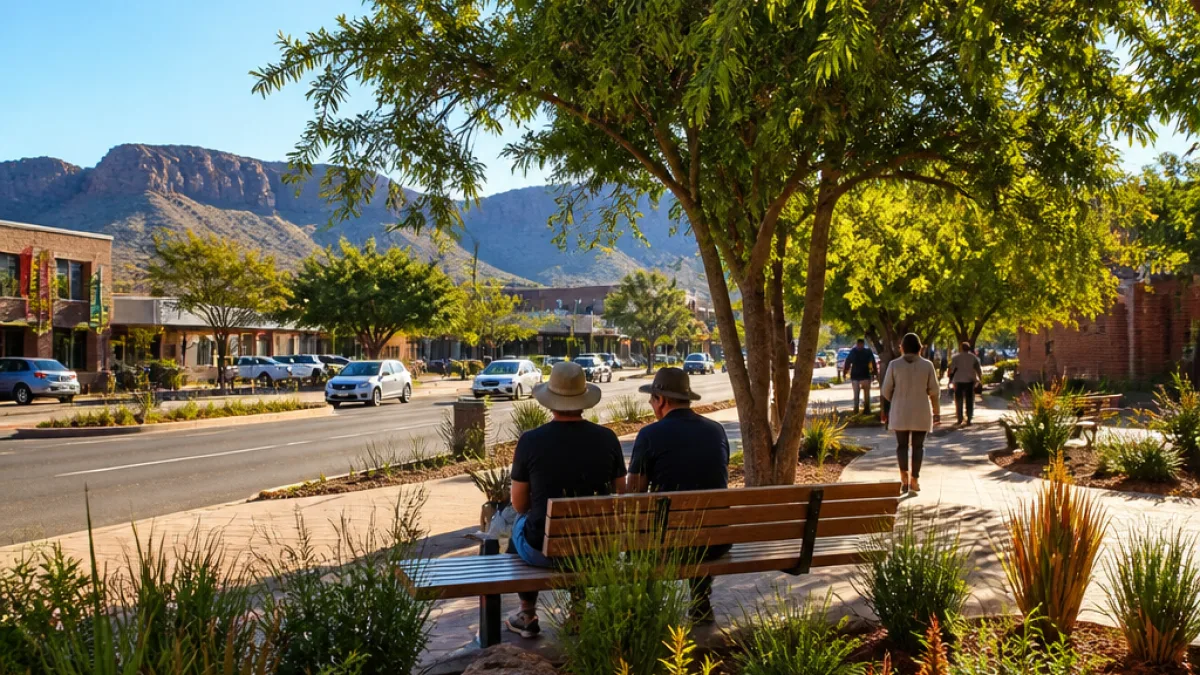
Nature is not a luxury but a public-health resource that cities and towns must protect and restore, researchers argue. Time spent in green space improves sleep, eases anxiety and depression, and lowers risks of diabetes and heart disease — benefits that matter for working communities across the North West.
Evidence linking green space to better health
International studies cited in recent commentary show clear patterns: neighbourhoods with more parks and trees enjoy cooler temperatures, lower air and noise pollution and reduced burdens from chronic disease. Where trees and parks are scarce, summers are several degrees hotter, asthma and heat‑related illnesses rise, and cardiovascular stress increases.
Forest bathing — shinrin‑yoku in Japan — and other nature‑therapy practices have measurable effects on mental well‑being. The commentary notes that in the United States, a person’s postcode predicts health because it signals access to safe green or blue spaces and the investment put into a neighbourhood.
“these contaminated soils need covering up”
That phrase captures a common urban response to degraded land: seal it with concrete. The author argues for another approach — repairing soils and allowing nature to return so people can grow plants, including medicinal species, where they live.
Why this matters in the North West
Communities in the North West — from towns near the mines to informal settlements on municipal edges — face heat, dust and respiratory pressures that make the benefits of urban greenery relevant. Workers who toil outdoors, mine employees and those in informal sectors can gain immediate relief from shade and improved air quality when trees and parks are protected and extended.
Green spaces also provide low‑cost mental‑health benefits for residents carrying economic and social stresses. While the original commentary draws on research from cities overseas, the central lesson is transferable: everyday contact with nature is a public good that should not depend on income or postcode.
Practical steps communities and councils can take
- Prioritise street trees and pocket parks where larger parks are not possible — shade and evapotranspiration reduce local temperatures.
- Repair soils rather than covering them where contamination is manageable: organic remediation and phytoremediation can restore growing capacity for non‑food medicinal plants.
- Protect existing green assets from development and plan new green corridors to link neighbourhoods and reduce urban heat islands.
- Encourage community involvement in planting and maintaining public green spaces — local stewardship lowers vandalism and keeps areas usable for longer.
These measures require municipal buy‑in and budget allocation. Local labour structures and community organisations can help drive projects that create short‑term jobs and long‑term wellbeing for residents.
What the evidence shows — quick reference
| Outcome | Observed effect | Source context |
|---|---|---|
| Sleep and mood | Improved sleep quality; reduced anxiety and depression | Nature therapy and forest bathing studies |
| Cardiometabolic risk | Lower odds of diabetes and cardiovascular disease | Population health studies |
| Heat and air pollution | Fewer trees → higher temperatures, more pollution, higher asthma rates | Comparative urban research in US cities |
Local planners and health practitioners should treat green infrastructure as a health intervention as much as an aesthetic or biodiversity concern. Shade, trees and small parks are inexpensive relative to clinical care and can deliver sustained benefits to whole communities.
Labour and community angles
For workers in the North West, particularly those in outdoor occupations, better‑planned green spaces can reduce midday heat stress and improve recovery after long shifts. Community planting and maintenance programmes also offer a route to local employment and skills development. Policymakers should consider programmes that combine environmental restoration with labour initiatives so that residents — including mineworkers, informal traders and youth — gain both income and improved local conditions.
Nature’s restorative power should not be the preserve of wealthier suburbs. Making green and blue spaces equitable is a matter of health justice: where you live must not determine whether you can access basic restorative environments.
Municipalities, community groups and labour organisations can use the growing evidence base to argue for budgets and projects that restore soil, plant trees and create accessible parks. These actions will improve both the physical and mental health of North West communities while creating local opportunities for labour and stewardship.
Contact your municipal parks department or local ward councillor to find out about tree‑planting initiatives, opportunities to convert vacant plots into pocket parks, and labour programmes that link environmental work with local employment.












