
Study reframes debate over 'foreign takeover' in Soweto spaza sector
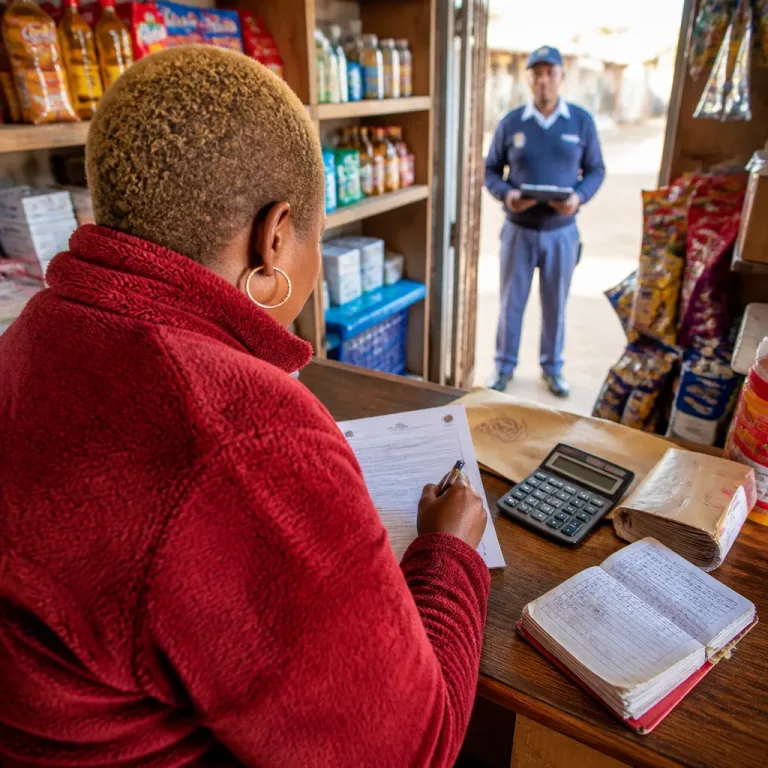
A doctoral study by the University of Cape Town’s Lwazi Ncoliwe has challenged the long-running public narrative that migrant traders are simply "taking over" township spaza shops. Based on seven months of fieldwork in Orlando West, the research finds that trust — among owners, between owners and customers, and between traders and supporting institutions — is the critical factor that determines which shops survive and which remain fragile.
Ncoliwe’s thesis, titled “The experiences of South African and Somali Spaza shop owners operating in Orlando West, Soweto: Lessons for local entrepreneurship in economically deprived areas”, is due to be awarded a PhD in Management Studies on 9 September 2026. The study moves beyond simplistic explanations based solely on nationality and instead maps how social relationships and procurement strategies shape business outcomes.
Method: long immersion and comparative interviews
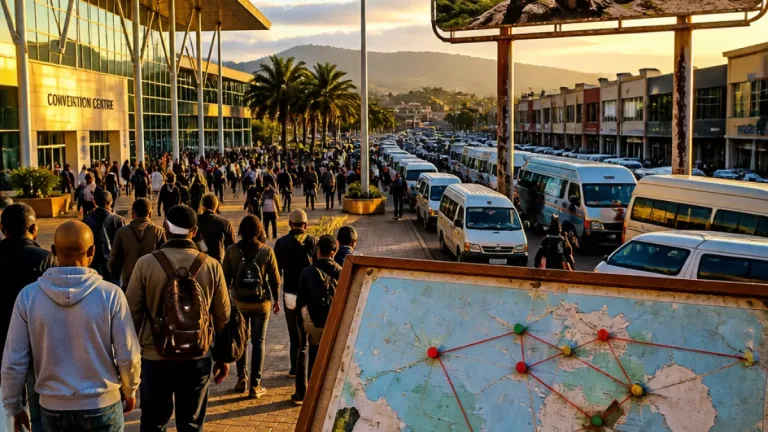
The researcher spent seven months working in Orlando West, using observation and semi-structured interviews. The sample included 10 spaza owners (five South African and five Somali), 6 local customers and 4 wholesalers. Stock-purchasing trips to suppliers revealed contrasting procurement logics:
- Somali owners often buy in bulk through established networks, pooling resources and information;
- South African owners tend to travel alone to purchase smaller quantities and operate on tighter margins.
These differences, the study argues, are not simply cultural traits but practical business strategies tied to trust and social capital. Where trust networks are strong, shops can rely on mutual support such as informal lending or shared stock recommendations; where trust is weak, businesses operate in a far more fragile mode.
“The question many South Africans have been asking about township spaza shops – why foreigners are taking over – is built on the wrong premise,” Ncoliwe said. “My research is more nuanced than a story of displacement: it shows how trust becomes a business’s operating system, and how its absence, particularly among many South African-owned shops, results in a far more fragile form of survival.”
Insecurity rooted in wider state failure
The study also links everyday insecurity in spaza shops to a broader crisis of state failure that affects both South African and migrant owners. Ncoliwe reports that insecurity is not an outcome of competition between nationalities alone, but of unreliable institutional support — for example in areas such as policing, municipal services and business support programmes.
Previous scholarship has emphasised ethnic-based social capital among Somali traders — bulk purchasing, lending and tight networks — but Ncoliwe’s fieldwork suggests those practices operate through trust and can translate into more resilient business models when supported by functioning institutions.
What this means for Soweto traders and policymakers
For owners and customers in Soweto, the research reframes how to think about local retail survival. Rather than focusing primarily on nationality, policy and community responses might usefully target:
- Strengthening trust-building mechanisms between traders and customers, for example through local trader associations or conflict mediation;
- Improving access to bulk procurement or cooperative purchasing arrangements for smaller South African-owned shops;
- Addressing the institutional gaps that create insecurity, including more reliable policing and municipal support for informal businesses.
These are practical interventions rooted in the study’s findings: trust reduces transactional costs and allows for collective problem-solving, while state support reduces vulnerability for all traders, irrespective of nationality.
| Fieldwork component | Number |
|---|---|
| Spaza owners interviewed | 10 (5 South African, 5 Somali) |
| Local customers interviewed | 6 |
| Wholesalers interviewed | 4 |
| Duration of immersion | 7 months |
The study will be of interest to local government, non-profit organisations working on small-business development, and community leaders in Soweto seeking to reduce tensions around shop ownership. It provides evidence that building social capital and fixing institutional failings could be more effective than policies or rhetoric that single out foreign traders.
For residents of Orlando West and broader Soweto, the research offers a different lens: one that centres relationships, logistics and public services rather than simplistic narratives of displacement. It suggests that the future resilience of spaza shops depends as much on shared trust and practical support as on who holds the shop keys.