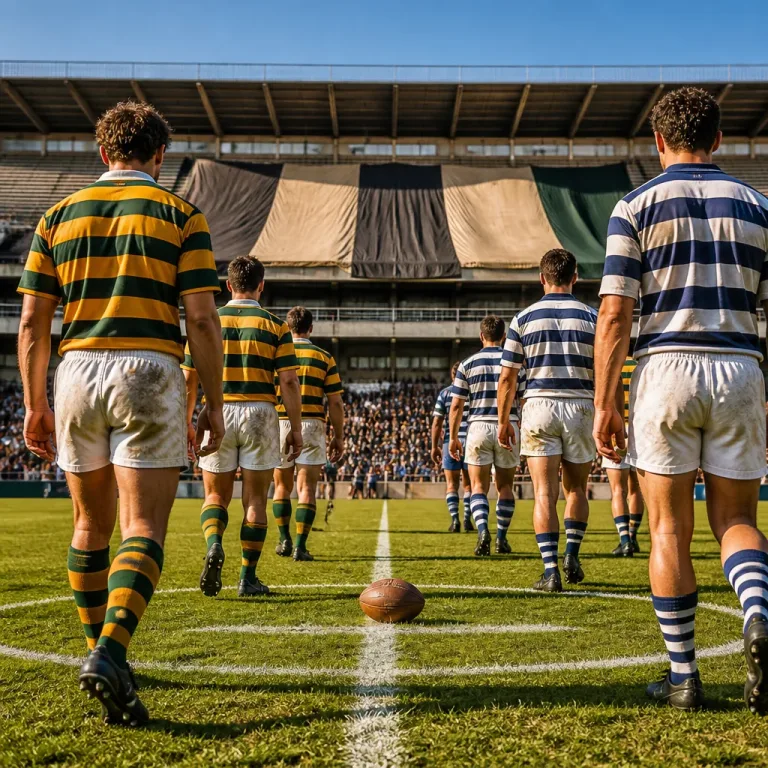
The Springboks returned from Australia in 1971 having won every game they played on a six-week tour that included a clean sweep of the Test series against the Wallabies. It was a remarkable achievement on the field — 16 matches, including three Tests, unbeaten — yet the triumph came against a backdrop of sustained anti-apartheid demonstrations, tight security and even curtailed hospitality.
Quiet arrivals, guarded hotels and a fraught itinerary
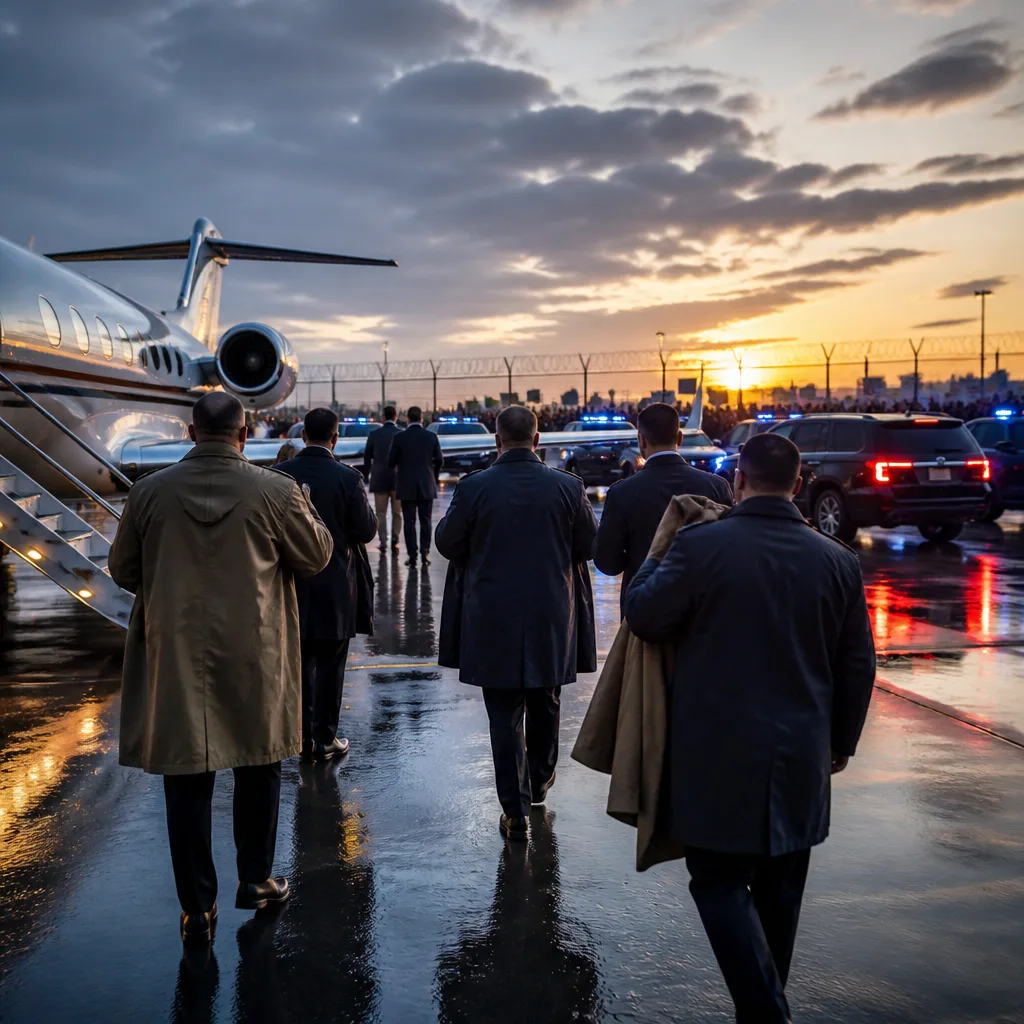
Mike Greenaway reported for iol.co.za that the touring party adopted clandestine travel routines to avoid confrontations with demonstrators. Players arrived in the country after midnight and disguised themselves by concealing Springbok blazers under raincoats and removing ties. On several occasions the team used minor airstrips and private cars to slip past large rallies that had gathered at main airports.
Security measures extended to match venues. Some grounds were ringed with barbed wire and monitored by police, including mounted officers, creating an atmosphere more reminiscent of a fortress than a sporting arena. The presence of demonstrators and law enforcement made each outing a test of stamina off the field as much as on it.
Rations and disrupted supplies
Greenaway’s account also details the logistical fallout of protest actions. Australian trade unions effectively restricted food supplies to hotels hosting the South Africans, leaving one accommodation short of usual provisions. The squad found themselves on strict rations early in the tour; a simple breakfast of two eggs and one sausage was reported at one hotel where the team was billeted.
Despite those constraints, the team’s performances did not falter. The touring side recorded emphatic wins against provincial opposition — including big margins in the opening fixtures — and secured a 3-0 Test series victory over the Wallabies, the only Springbok side to return from a full tour (Tests and midweek matches) unbeaten.
On-field dominance, off-field hostility
Greenaway described the emotional complexity of the tour, quoting commentator Kim Shippey, who accompanied the side:
“the sweetest hell the team were to know in six weeks of sunshine, sweat and tears”
The phrase captures the paradox: sporting supremacy paired with a relentless stream of protests. Demonstrators met the team at hotels and outside fixtures, chanting slogans that made the environment hostile. One reported chant was:
“Paint them black and send them back.”
Police and organisers frequently diverted the Boks to avoid large crowds. In Adelaide, for instance, authorities reportedly manoeuvred protesters by announcing police presence at the main terminal while the team used a smaller runway and private transport to reach their hotel.
Legacy and record
The tour remains a contested chapter in South African rugby lore: a testament to the players’ resilience and a reminder of the political climate that surrounded international sport in that era. The basic facts of the campaign, as reported by Greenaway, are clear and striking:
- Duration of tour: approximately six weeks.
- Total matches played: 16, all wins.
- Test series vs Australia: 3-0 to South Africa.
| Category | Number |
|---|---|
| Total matches | 16 |
| Tests vs Australia | 3 |
| Tour result | Unbeaten (16/16) |
The 1971 tour is often invoked when discussing the complex intersection of sport and politics. On the one hand it confirms a period of on-field excellence; on the other, it documents how the global response to apartheid seeped into stadiums and town squares, altering the lived experience of international tours.
Greenaway’s reporting paints a vivid picture of a squad that navigated both the rigours of elite rugby and the stresses of constant protest. The result — an unblemished record across Tests and midweek fixtures — endures as a singular achievement in Springbok history, but the story of the tour cannot be separated from the hostile reception that accompanied it at almost every stop.