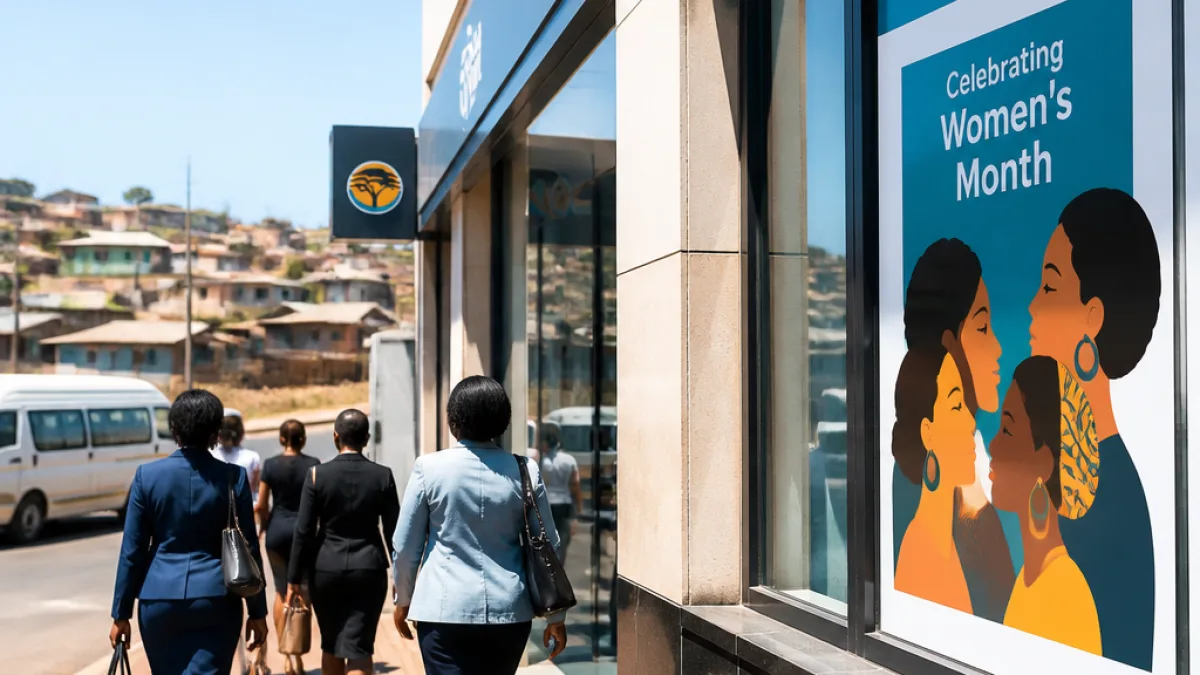
South Africa’s retail banking sector is showing a visible shift in leadership that residents of Soweto should note: women now hold a string of senior executive and chair positions at the country’s five biggest retail banks. The change reflects a broader move towards greater gender representation at the highest levels of decision-making — a development that can influence how banks design services, hire staff, and engage townships like Soweto.
Who is leading the big five
According to national reporting, the leadership line-up among South Africa’s five largest retail banks includes several prominent women in executive roles and on bank boards. These include:
- Absa — Jeanett Modise, Group Chief Human Capital Officer; Fatima Newman nominated as Group Chief Compliance Officer for Women’s Month recognition.
- Capitec — Basani Maluleke heads the Personal Bank division; Santie Botha serves as chair.
- FirstRand / FNB — Mary Vilakazi is Group CEO of FirstRand, with Lytania Johnson as CEO of FNB.
- Nedbank — Andiswa Bata leads Business and Commercial Banking as Group Managing Executive; Nedbank nominated Buli Ndlovu for a Women’s Month profile.
- Standard Bank — Funeka Montjane is Chief Executive of Personal and Private Banking; Nonkululeko Nyembezi is chair; Naledzani Mosomane was nominated in a Women’s Month feature.
Why this matters locally
Representation at the top matters beyond headlines. When leadership teams reflect the diversity of their customer base, products and services are more likely to respond to varied needs — from affordable transactional banking to small-business support and tailored savings products. For Soweto residents, many of whom rely on retail banks for everyday banking, remittances, and small-enterprise finance, those decisions can affect fees, branch services and digital offerings.
Bank hiring and procurement policies are often influenced by senior leadership. With women in executive and chair roles, there is potential for changes in recruitment, mentorship and supplier development that could open more pathways for local businesses and professionals.
Selected names and roles
| Bank | Notable woman leader | Role |
|---|---|---|
| Absa | Jeanett Modise / Fatima Newman | Group Chief Human Capital Officer / Group Chief Compliance Officer (nominated) |
| Capitec | Basani Maluleke / Santie Botha | Head of Personal Bank / Chair |
| FirstRand / FNB | Mary Vilakazi / Lytania Johnson | Group CEO / FNB CEO |
| Nedbank | Andiswa Bata / Buli Ndlovu | Group Managing Executive, Business & Commercial Banking / Nominated Retail Executive |
| Standard Bank | Funeka Montjane / Nonkululeko Nyembezi / Naledzani Mosomane | Chief Executive, Personal & Private Banking / Chair / Head of Enterprise & Supplier Development (nominated) |
Voices and context
National coverage to mark Women’s Month invited the five major banks to nominate women leaders whose careers illustrate progress. Absa, Nedbank and Standard Bank provided nominations; Capitec and FNB did not supply nominations for that feature, according to the reporting.
“For decades, the banking industry was largely defined by male leadership,” the report noted, adding that the current picture is changing in South Africa as women take up roles once dominated by men.
That trend is visible in both executive functions — such as human capital, compliance and personal banking — and in strategic roles on boards. The presence of women as chairs at Capitec and Standard Bank was highlighted as a particularly powerful reflection of this shift.
What Soweto residents can look for
Practical signs of this leadership change may take time to surface, but there are things to watch for locally:
- Changes in branch hours, product pricing or small-business support that aim to serve township customers better.
- Increased recruitment and training initiatives targeting local communities and young women.
- Supplier development and procurement opportunities aimed at small enterprises in areas like Soweto.
As Women’s Month prompts reflection and celebration, Soweto residents have cause to watch how these leadership shifts translate into services, jobs and opportunities on the ground. The presence of women at the top of South Africa’s biggest retail banks is an important marker — now the test will be whether that representation leads to meaningful change in communities that banks serve.