Women moving up the ranks at major banks — and why Soweto should care
South Africa’s retail banking sector is showing a clear shift in leadership, with women occupying high-profile executive and board positions at the country’s five largest retail banks. That change, reported by The Citizen, is more than a boardroom story: it has practical consequences for Soweto residents who work in banking, run small businesses or depend on more accessible financial services.
For decades, executive suites and specialised banking divisions were overwhelmingly male. The Citizen’s report lists a string of women now holding influential roles in the major banks — a sign of changing hiring and promotion patterns across finance.
| Bank | Woman named in report | Role |
|---|---|---|
| Absa | Jeanett Modise; Fatima Newman | Group Chief Human Capital Officer; Group Chief Compliance Officer (nominated for Women’s Month) |
| Capitec | Basani Maluleke; Santie Botha | Head of Personal Bank division; Chairperson |
| FNB / FirstRand Group | Mary Vilakazi; Lytania Johnson | GCEO (FirstRand); CEO (FNB) |
| Nedbank | Andiswa Bata; Buli Ndlovu | Group Managing Executive, Business & Commercial Banking; Executive Retail, Personal & Private Banking Marketing Lead (nominated) |
| Standard Bank | Funeka Montjane; Nonkululeko Nyembezi; Naledzani Mosomane | CEO Personal & Private Banking; Chairperson; Head of Enterprise & Supplier Development (nominated) |
What this means locally
Representation at senior levels can influence everything from recruitment and workplace culture to product design and supplier choices. For Soweto, a township that supplies talent to Johannesburg’s financial services sector and hosts branches of all major banks, the shift could have concrete effects:
- Jobs and career pathways: More visible women executives can encourage banks to widen recruitment and mentorship for women in Soweto who aspire to middle and senior management roles.
- Financial products and inclusion: Leadership that includes women may shape how products are marketed and developed for township customers — for instance, simpler digital onboarding, or credit and savings products tailored to informal-economy workers.
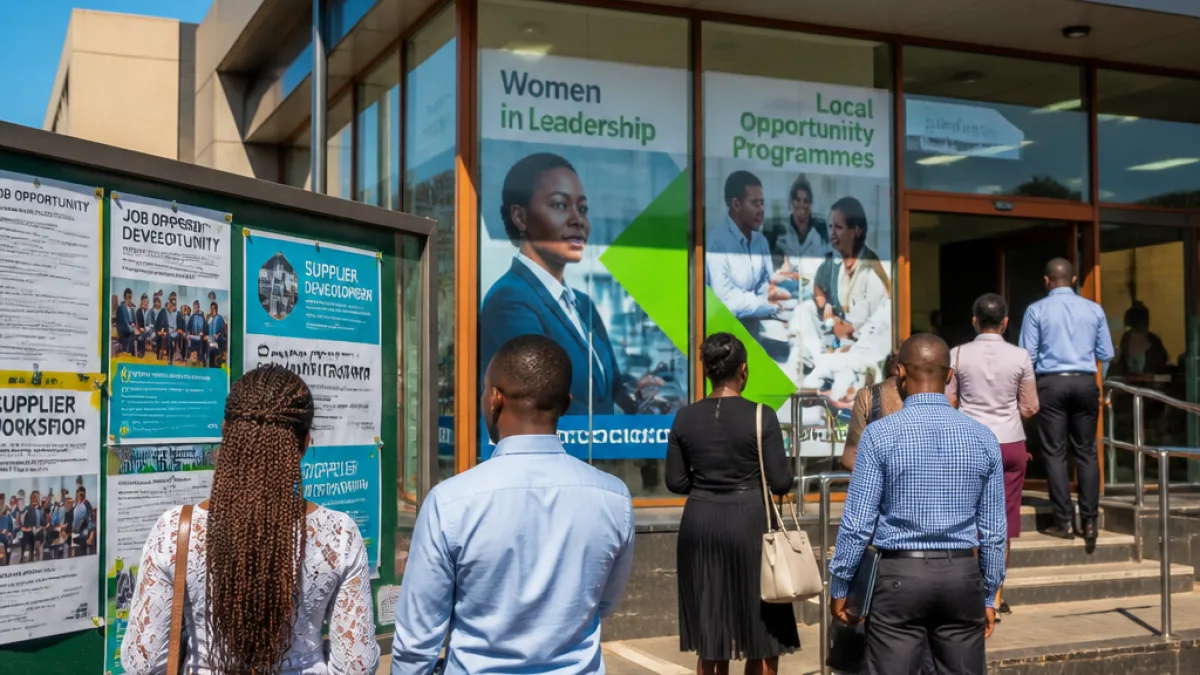
- Supplier development and procurement: With roles such as Head of Enterprise and Supplier Development highlighted in the report, there is potential to expand procurement from Soweto-based small businesses and black-owned enterprises.
These are possibilities rather than guarantees. Structural barriers remain — including unequal access to high-quality education, networks and capital. The Citizen noted that the banks were asked to nominate a woman leader for Women’s Month, and some responded with senior executives known for compliance, marketing and supplier development work.
“The change reflects a steady movement towards greater representation at the highest levels of decision-making,” the report said.
How Soweto residents can watch for change
Residents and small-business owners should track a few practical signs that the shift is translating into township benefits:
- Whether banks expand local recruitment drives, apprenticeships or internships aimed at Soweto schools and universities.
- Announcements of supplier-development programmes, procurement quotas or incubators that include Soweto-based SMMEs.
- Changes in branch and digital services tailored to customers who rely on informal incomes or who have historically been underserved.
Local ward councillors, community organisations and SMME forums can press banks to make such commitments public and measurable. Banks themselves have compliance and human-capital executives who can be asked for targets and progress reports.
For many Soweto residents, representation matters not just symbolically. It affects hiring practices, credit access and the chance that a successful township entrepreneur will be invited into supply chains. The presence of women at the top of major banks opens spaces to push for concrete, local benefits — if communities and local leaders hold institutions to account.
As Women’s Month reflections continue, the leadership changes outlined in the report offer an opening. Whether they become real gains for Soweto will depend on follow-through from banks, pressure from civic groups and visible pathways for township talent to move from teller counters to executive suites.