
Design study to test renewables, storage and electrolysers at Sasolburg
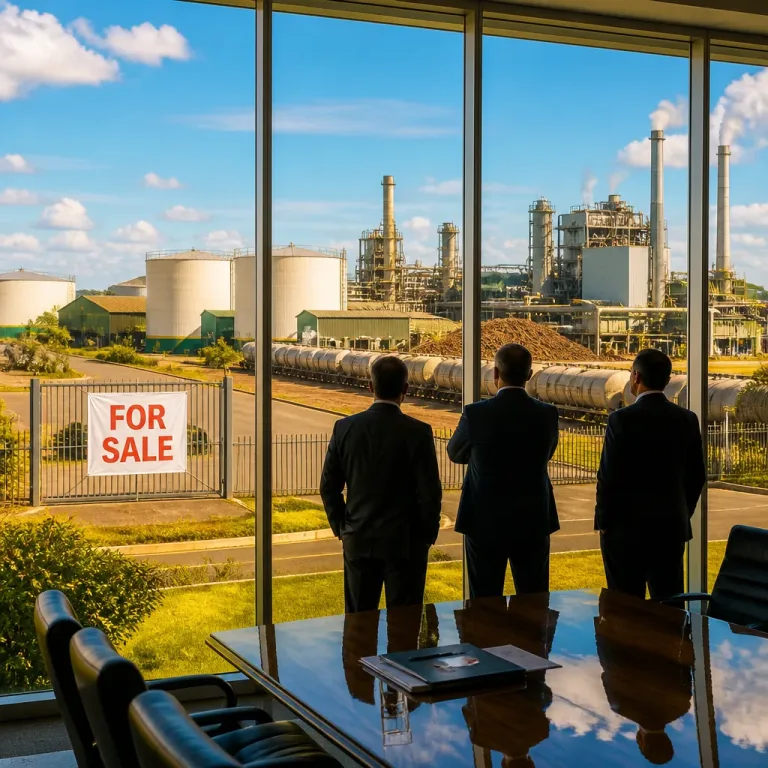
Sasol has commissioned Envision Energy to undertake a design study for an integrated green hydrogen system at its Sasolburg operations, the company said in a statement. The collaboration was highlighted during a visit by the South African Minister of Electricity and Energy, Kgosientsho Ramokgopa, to Envision’s Chifeng Hydrogen Net Zero Industrial Park in Inner Mongolia at the South Africa–China Energy Investment Conference.
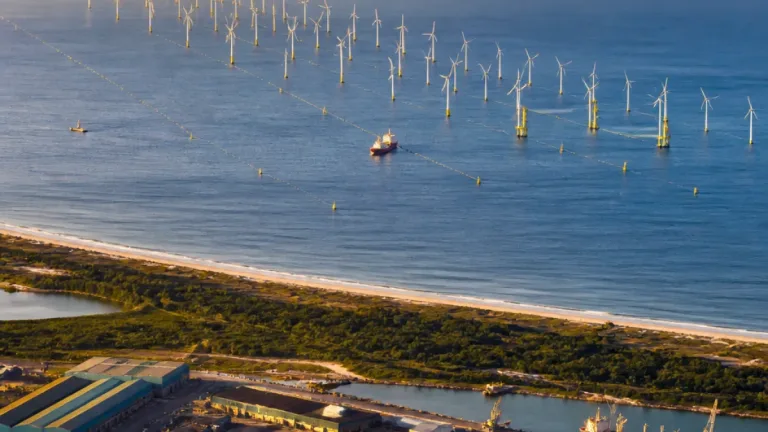
The design study will assess how renewable energy generation, battery energy storage systems and electrolysers could be combined to support the production of green hydrogen at the Sasolburg site. Envision’s solution is said to optimise hydrogen production by managing generation, storage and electrolyser operation according to forecast energy availability and pricing.
“The design study with Envision is an important step in assessing how integrated renewables, energy storage and electrolyser technologies could support cost-competitive green hydrogen production at Sasolburg,” Sasol’s Senior Vice President: Business Building, Danie Cronje, said in the company statement.
The company said that, subject to the outcomes of the study and subsequent investment decisions, hydrogen produced could be used to manufacture eMethanol and potentially sustainable aviation fuel (eSAF) at Sasolburg. The design phase is expected to conclude later this year and will provide technical and commercial information needed to evaluate next steps.
What the study will look at
- Integration of renewable energy generation with battery storage;
- Sizing and operation of electrolysers for hydrogen production;
- Optimisation of hydrogen output in response to forecast energy availability and pricing.
The work with Envision draws on the latter’s international project experience, showcased at the Inner Mongolia site, and represents a step towards assessing lower-carbon feedstocks and fuels within existing industrial value chains at Sasolburg.
Local implications and context
Sasolburg is home to Sasol’s major chemical and fuels operations; any shift toward green hydrogen at the plant could have several local impacts. If the study supports further investment, potential outcomes include:
| Area | Possible effect |
|---|---|
| Industrial feedstocks | Introduction of lower-carbon hydrogen for chemical and fuel processes |
| Energy infrastructure | New renewable generation and battery storage assets on or near the Sasolburg site |
| Local employment | Opportunities in construction, operations and maintenance if projects proceed |
However, Sasol’s statement makes clear that further steps hinge on the study’s technical and commercial findings and subsequent investment decisions. The design phase is intended to provide the evidence to determine whether green hydrogen can be produced at a cost and scale that supports eMethanol and eSAF production at the Sasolburg complex.
Why this matters for Sasolburg residents
Green hydrogen is being explored internationally as a pathway to reduce emissions from hard‑to‑abate industrial processes and transport fuels. For Sasolburg, a move towards integrating renewables, storage and electrolysers could influence the long-term trajectory of the local industrial economy, energy demand on the grid, and opportunities for contractors and skilled workers.
The study follows high-level attention to South Africa’s energy transition: the project was presented during a bilateral energy conference with Chinese partners and was visited by the Minister of Electricity and Energy, signalling government and investor interest in exploring new energy value chains.
Sasol and Envision will complete the design work later this year, after which any decision to proceed with capital investment and project implementation will be taken on the basis of the study’s findings and prevailing commercial conditions.