The South African Chamber of Commerce and Industry (Sacci) reported a slight fall in business confidence to 134.3 in September from 135.1 in August, with the survey highlighting rising fuel costs and higher debt-servicing charges as principal risks to both household spending and company viability.
Stronger sectors buttress sentiment, but headwinds mount
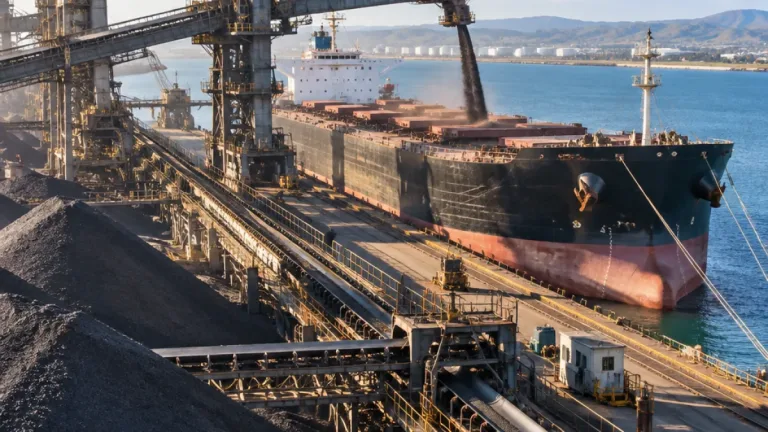
Sacci said that sentiment remains relatively robust compared with earlier months, underpinned by two bright spots: increased inward tourism — helped by international sport events — and stronger new-vehicle sales. The chamber also pointed to elevated international precious-metal prices as a continuing source of support for business confidence.
“The continuing high international price of precious metals remained in support of business confidence,” Sacci said.
However, the chamber warned that several adverse trends could erode gains. Higher petrol and diesel prices, weaker volumes of merchandise exports and a decline in the real value of building plans passed all had a negative short-term effect on sentiment in September, it said.
What rising fuel costs mean for households and firms
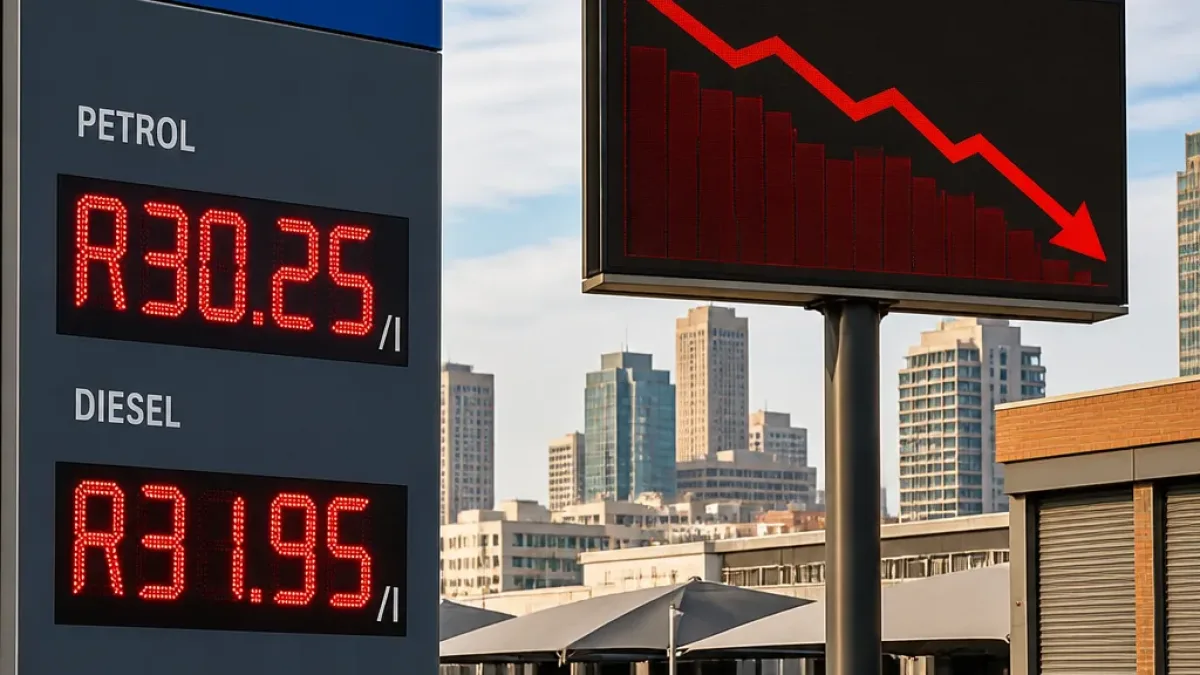
Pump prices jumped sharply at the start of October. In Gauteng, the retail price of petrol rose by more than R3 a litre to reach about R30.25, while the wholesale price of diesel — which retailers price independently — climbed to roughly R31.95 per litre. Since the outbreak of war between the US and Iran in late February, Sacci noted petrol has risen almost 50% and diesel about 72% in a country that imports a large share of refined product.
Higher fuel costs feed directly into transport, logistics and input costs for manufacturers and retailers, and they reduce disposable income for households that already face elevated borrowing costs after the South African Reserve Bank lifted the policy rate earlier in the year.
- Business confidence: 134.3 in September (down from 135.1 in August)
- Petrol: ~R30.25/l in Gauteng (early October peak)
- Diesel: ~R31.95/l wholesale (early October peak)
| Indicator | Change |
|---|---|
| Business confidence (Sacci) | 135.1 → 134.3 (Aug → Sep) |
| Petrol price (Gauteng) | ~R30.25/l (early Oct) |
| Diesel wholesale | ~R31.95/l (early Oct) |
Policy and municipal concerns
Sacci highlighted the importance of functioning local government for business continuity. The chamber urged municipalities to protect private and public assets and to maintain infrastructure and services that underpin commerce — including reliable water and electricity — noting that sound financing of trade accounts is critical.
Higher fuel costs and elevated interest rates pose a two‑front squeeze: they raise input and transport costs for enterprises while increasing the debt burden on households and small businesses that must manage higher monthly repayments. Sacci warned these factors may weigh on sentiment in coming months unless global energy prices ease or policy responses mitigate the impact.
Implications for the economy
For households, the combined effect of pricier fuel and steeper borrowing costs reduces disposable income and dampens spending — which in turn can slow domestic demand for retail and services. For businesses, the transmission channels are higher operating costs, potential margin compression and reduced investment appetite, particularly for small and medium enterprises that operate with thinner cash buffers.
With South Africa still exposed to swings in global commodity and energy markets, Sacci’s reading is a reminder that headline confidence remains fragile. The index’s modest month-on-month decline masks sectoral divergence: while tourism, mining and vehicle sales provide pockets of strength, the rising price of energy and the burden of higher interest rates threaten to offset those gains if pressures persist.
WE NEWS does not provide financial advice.