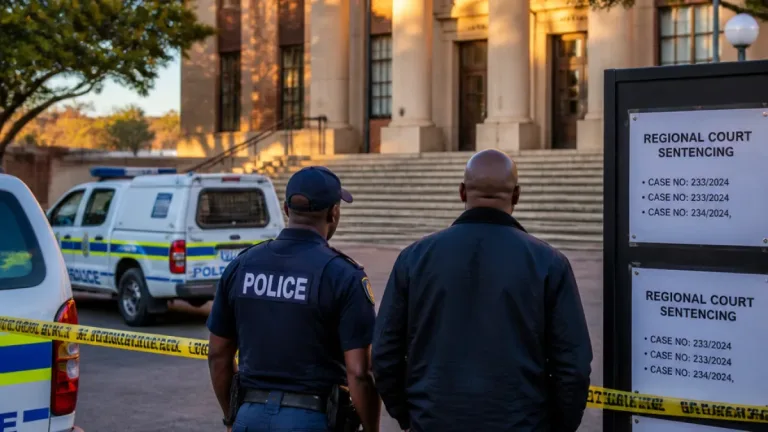
Colesberg, Pixley ka Seme — Inspectors from the Northern Cape Gambling and Liquor Board (NCGLB) accompanied by provincial police carried out targeted compliance visits at liquor and gambling outlets in Noupoort, Norvalspont and Colesberg on 26 August 2026. The operation formed part of the NCGLB’s ongoing #WeComply Campaign, aimed at strengthening regulatory oversight and curbing illegal alcohol activity in the district.
Operation focus and findings
The joint team concentrated on a set of statutory requirements that govern the sale and distribution of alcohol and the operation of gambling venues. Officers checked licensing documents, age-verification procedures and whether licences had been unlawfully transferred or leased. They also examined stock for signs of imitation or illicitly produced products.
Provincial police spokesperson Constable Rowan Bacela said the inspections were intended to ensure premises were trading within the law and to reduce crime linked to illegal alcohol distribution. During the sweep, officials examined 16 liquor outlets and one gambling establishment.
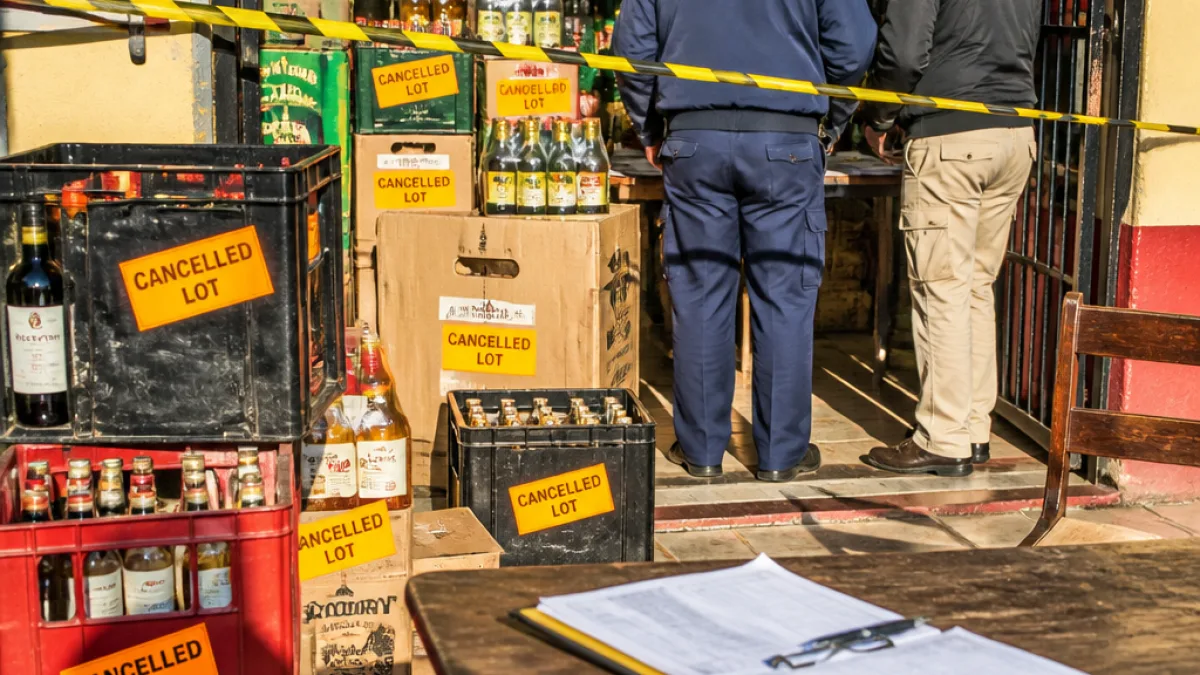
“A total of 16 liquor outlets and one gambling establishment were inspected during the operation. Three liquor outlets were found to be selling illicit liquor. The affected liquor was removed from the shelves after it was established that the relevant lot numbers had been cancelled by the Department of Agriculture,” said Bacela.
According to Bacela, the affected products were identified as having cancelled lot numbers by the Department of Agriculture. The illicit stock was removed and proprietors were issued cautions and instructed to stop selling those items immediately.
Enforcement goals and community impact
Authorities said the action targeted several risks: the sale of alcohol to persons under 18, the circulation of counterfeit or unapproved drinks, and illicit practices around licence transfers. The NCGLB and SAPS said they aim both to protect young people and to remove hazardous or unregulated products from the market.
Local businesses that comply with the law and responsible consumers have a direct interest in such operations. When illicit or counterfeit beverages enter the supply chain they can undermine legitimate traders, pose health risks and be tied to broader criminal activity.
What proprietors were told to do
- Display and keep valid liquor and gambling licences available for inspection.
- Verify customers’ ages and refuse sales to anyone under 18.
- Cease the sale of products identified as illicit or cancelled by relevant authorities.
- Co-operate with further inspections and information-sharing requests from NCGLB and SAPS.
Officers cautioned the proprietors found selling the cancelled-lot liquor and ordered them to remove the affected stock. No arrests or charges were announced in the initial reports; the emphasis in this phase was on removal of illicit goods and corrective action by outlet owners.
Numbers at a glance
| Item | Count |
|---|---|
| Liquor outlets inspected | 16 |
| Gambling establishments inspected | 1 |
| Outlets selling illicit liquor | 3 |
The NCGLB and SAPS stressed that operations of this kind are ongoing and form part of a broader provincial effort to protect consumers and support lawful traders. Bacela said such programmes also promote information sharing between agencies and encourage proactive policing.
Residents and business owners in the Pixley ka Seme District who suspect illegal liquor activity have been urged to report concerns to local SAPS stations or to the NCGLB so that further investigations can be opened. Community co‑operation remains central to ensuring enforcement efforts reach smaller towns and rural outlets across the Northern Cape.
For now, the inspectors’ action on 26 August removed the immediate public-health risk posed by the identified cancelled-lot products and underlined the provincial authorities’ intention to maintain regular compliance monitoring across the Karoo towns.