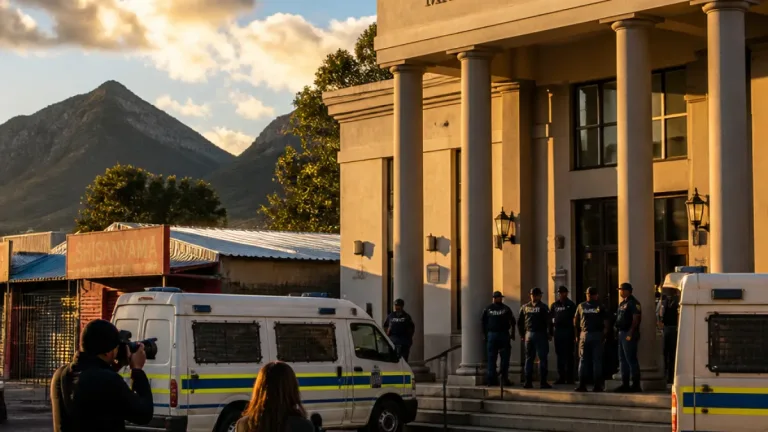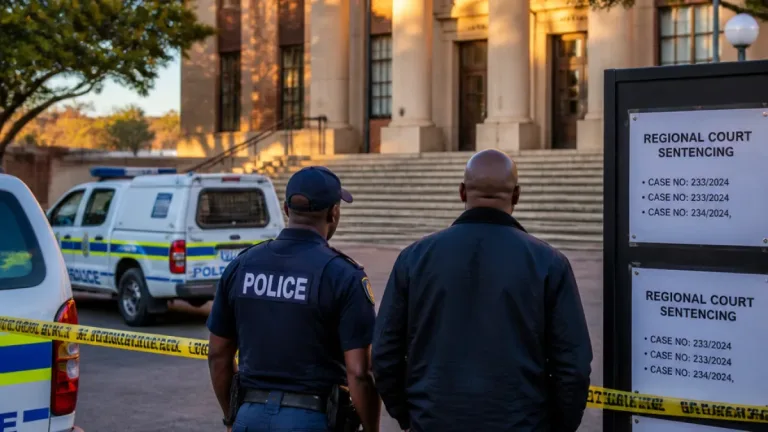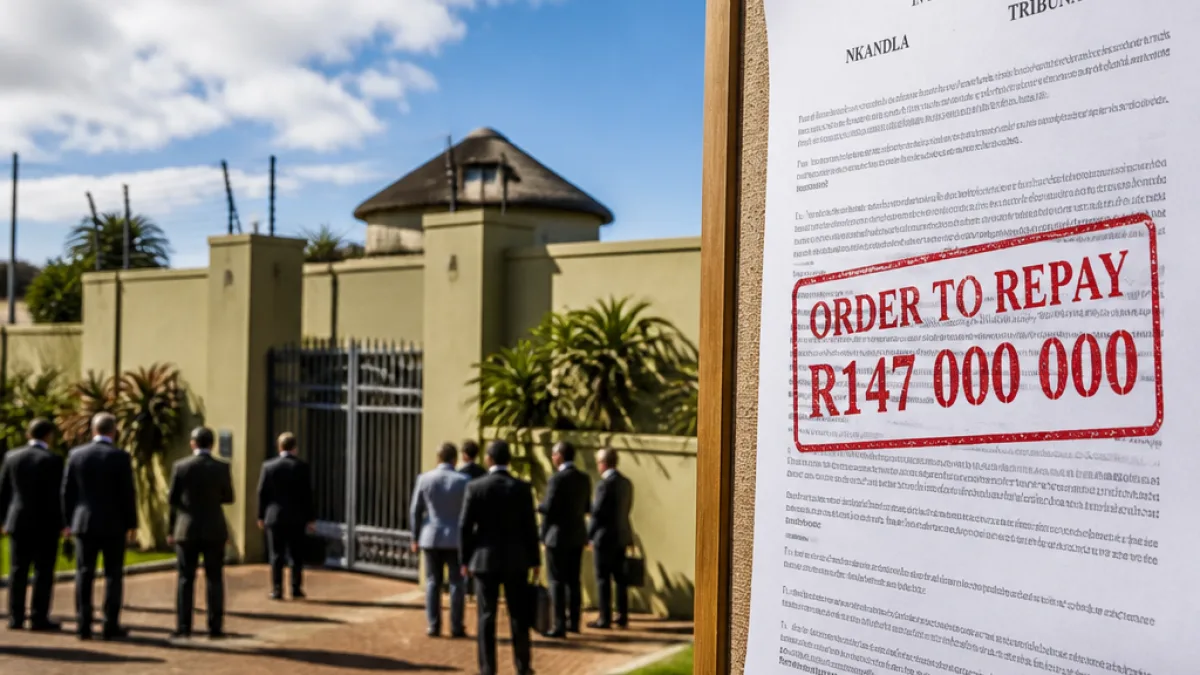
The Special Tribunal has ordered architect and principal agent Minenhle Makhanya to repay more than R147 million to the National Treasury after finding his appointment for the Nkandla security upgrades did not comply with procurement laws and departmental policy.
Tribunal: appointment and contract invalid
Judge K. Pillay concluded that the Department of Public Works (DPW) failed to follow constitutional procurement requirements, the Public Finance Management Act (PFMA) and its own Supply Chain Management Policy when appointing Makhanya to oversee the controversial project at former President Jacob Zuma’s Nkandla residence. The tribunal ruled both the appointment and the contract were invalid and of no force or effect.
The ruling follows a lengthy probe by the Special Investigating Unit (SIU) into procurement irregularities and apparent excessive expenditure linked to the upgrades. The SIU’s investigation found that the project’s originally approved budget of R27.89 million was allowed to escalate dramatically after works authorised by the architect exceeded the security measures identified by the South African Police Service (SAPS) and the South African National Defence Force (SANDF).
"It is regrettable that the first defendant (Makhanya) stands alone as the person against whom the Special Investigating Unit has launched action, as he clearly did not act alone in allowing the costs of the upgrade at Nkandla to balloon," Judge Pillay said.
Personal liability despite wider involvement
While the tribunal accepted that Makhanya was not the only person involved in the Nkandla project, it held that, in his capacity as architect and principal agent, he bore professional responsibility to ensure the department did not incur fruitless and wasteful expenditure. The order compels him to make good the losses identified by the SIU and accepted by the Tribunal.
The decision underscores the legal principle that private professionals who act as principal agents can be held personally accountable when their conduct contributes to avoidable state losses. It also highlights shortcomings in departmental oversight where state organs rely on appointed professionals to manage large, complex projects.
What the ruling means for public procurement
Legal experts say the ruling reinforces procurement safeguards embedded in the Constitution and the PFMA. When appointments and contracts do not comply with those frameworks, courts can declare them invalid and order remedies that may include repayment of funds.
- Accountability: Professionals who sign off on or authorise work beyond scope can face civil liabilities.
- Oversight gaps: Departments remain responsible for ensuring compliance with procurement processes even when external agents are appointed.
- Financial recovery: The State can pursue repayment through investigative and judicial processes where wasteful or fruitless expenditure is proven.
Local impact and broader context
Nkandla, situated in uMkhanyakude District in northern KwaZulu‑Natal, has remained a focal point for debates about public spending and governance since the installation of extensive security upgrades. The tribunal’s order adds a new legal chapter to long-standing controversies over the project’s scope and cost.
For residents and officials in KwaZulu‑Natal, the ruling is a reminder of the scrutiny that follows high-value state contracts. Municipal and provincial officials often rely on national departments for major capital works; these relationships require robust oversight to prevent similar disputes and financial losses.
Figures at a glance
| Item | Amount (R) |
|---|---|
| Originally approved budget | R27.89 million |
| Amount ordered to be repaid | More than R147 million |
The tribunal’s order does not single out all individuals involved, but it signals that the judiciary will use available remedies against professionals whose actions contribute to unjustified state expenditure. It also places a spotlight on the DPW’s procurement practices at the time of the project.
Where cases involve multiple public and private actors, tribunals and courts must balance tracing individual responsibility with recognising systemic failures. Judge Pillay’s observation that Makhanya did not act alone but nonetheless bore responsibility captures that tension.
Recovery of public funds is often protracted. The SIU and National Treasury will now have to enforce the tribunal’s order through civil processes. Any appeal or further legal action could affect the timing and extent of repayments.
The ruling will be watched closely by accountants, construction professionals and public officials in KwaZulu‑Natal and beyond as a precedent in holding private agents accountable for state losses arising from irregular procurement and unauthorised expenditure.