The Border Management Authority (BMA) says a new camera‑linked vehicle‑targeting system has helped officials intercept 83 vehicles with an estimated value of R46 million over a six‑month period as authorities intensify efforts to curb cross‑border vehicle theft and smuggling.
How the system works
The system reads number plates as vehicles approach a border post and checks those plates against registration records. Where there is a discrepancy — a plate that is fake, does not exist or is registered to a different vehicle — the system generates an alert for border officials.
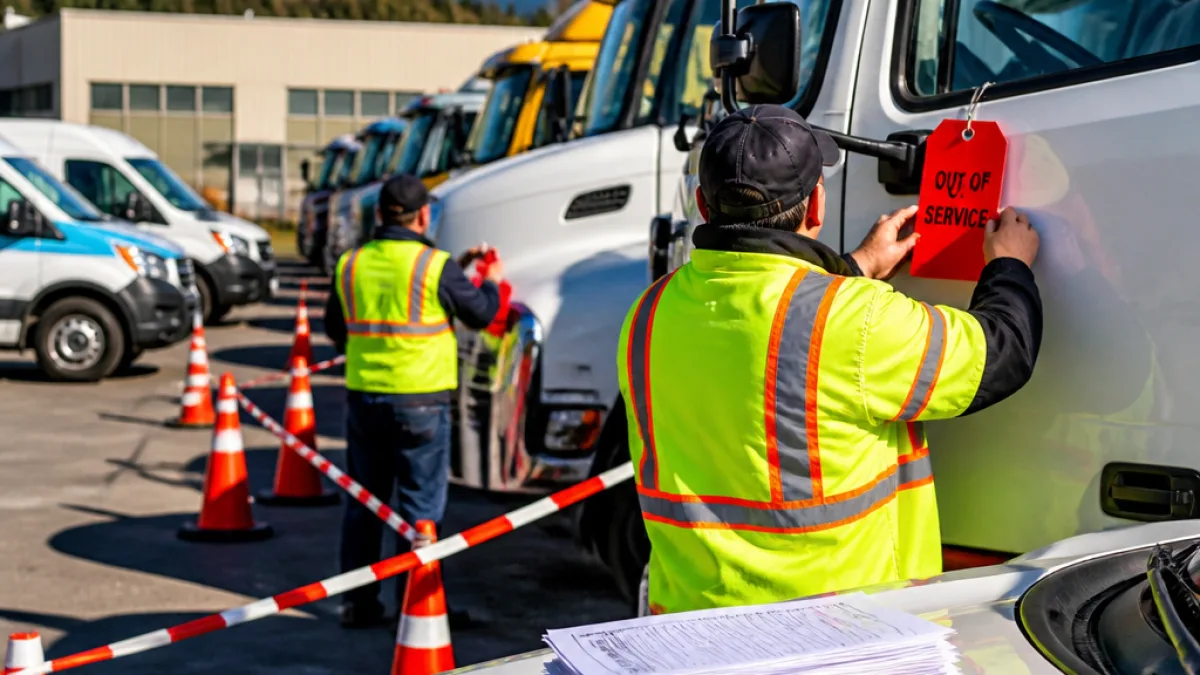
"If the system flags a vehicle, border guards receive an alert instructing them to stop it for inspection."
When an alert is raised, officials compare the vehicle's documentation against its registration disc, vehicle identification number (VIN) and number plate. Additional physical checks, such as an inspection of the engine number, are carried out if documents and markings do not match.
Why the technology matters
The BMA says the targeting platform is intended to identify attempts to conceal a vehicle's provenance before it crosses a border and to help build investigative leads that point to the criminal networks behind thefts and illegal exports. Commissioner Dr Michael Masiapato highlighted that the system can detect plates that have been swapped or otherwise falsified — a common tactic used to hinder tracing.
Authorities are already working with the Hawks (the Directorate for Priority Crime Investigation) to pursue the people behind suspected criminal activity uncovered as a result of the new technology.
- Detection at the border: Cameras capture plates and compare them to records in real time.
- Immediate action: Alerts prompt border guards to stop and inspect vehicles flagged as suspicious.
- Investigative follow‑up: Where documentation or VINs don’t match, further enquiries aim to trace criminal networks.
Context and consequences for South Africa
Vehicle theft linked to cross‑border syndicates has been a persistent challenge in the region, with some cars allegedly stolen locally to fulfil specific orders from buyers in other African countries. The BMA’s technology seeks to interrupt that supply chain at a natural choke point — the border — where mismatches between paperwork and physical identifiers should be easier to spot.
Practical benefits include faster identification of suspect vehicles and more efficient allocation of inspection resources at busy border posts. But technological screening is only one piece of a wider enforcement puzzle: successful disruption of organised vehicle crime also depends on effective follow‑up investigations, inter‑agency cooperation, forensic capacity and the prosecution of suspects.
Commissioner Masiapato said the BMA needed to coordinate with the Hawks to investigate the people behind the suspected crimes. This underlines the need for strong information‑sharing protocols and resourcing between border control, national police units and regional partners to turn stops into dismantled networks rather than one‑off recoveries.
Numbers at a glance
| Period | Vehicles intercepted | Estimated value |
|---|---|---|
| Six months | 83 | R46 million |
For travellers and vehicle owners, the system is intended to reduce the chances of stolen vehicles leaving South Africa and to make it harder for criminal syndicates to profit from theft. For police and investigators, the value will be measured by whether alerts lead to prosecutions and to sustainable disruption of cross‑border criminal networks.
As the BMA scales up digital tools at border posts, the success of such systems will hinge on reliable data, properly maintained camera infrastructure, trained personnel to act on alerts and effective legal processes to hold suspects to account.