Phase 1 of the Steenkampskraal Monazite Mine in the Western Cape has begun commercial production of a monazite concentrate, the first step in extracting rare earths from one of the world’s higher‑grade deposits. The development was marked by a ministerial visit that underlined the project’s significance for South Africa’s critical minerals and beneficiation ambitions.
Why this matters
The operation brings together three strands that government and industry have repeatedly emphasised: a notable in‑country mineral resource, applied research and industrial capacity to convert ore into higher‑value products. Steenkampskraal’s ore contains about 14.5% total rare earth oxides (TREO), providing a feedstock that can move beyond simple export of ore toward processed rare earth compounds.
Mintek’s technical involvement is central. The research council contributed laboratory work that demonstrated the ability to produce a high‑purity mixed rare earth oxalate‑carbonate earlier in June 2026, linking initial concentration activities to potential downstream chemical processing inside South Africa.
"Moving from a mineral resource to a high purity product requires much more than mining," said Mintek CEO Dr Molefi Motuku. "It requires the ability to understand the mineral, develop and optimise processing technologies, solve metallurgical challenges and ultimately produce a product that has commercial value."
What Phase 1 does
The first phase of the project will:
- crush and mill mined ore;
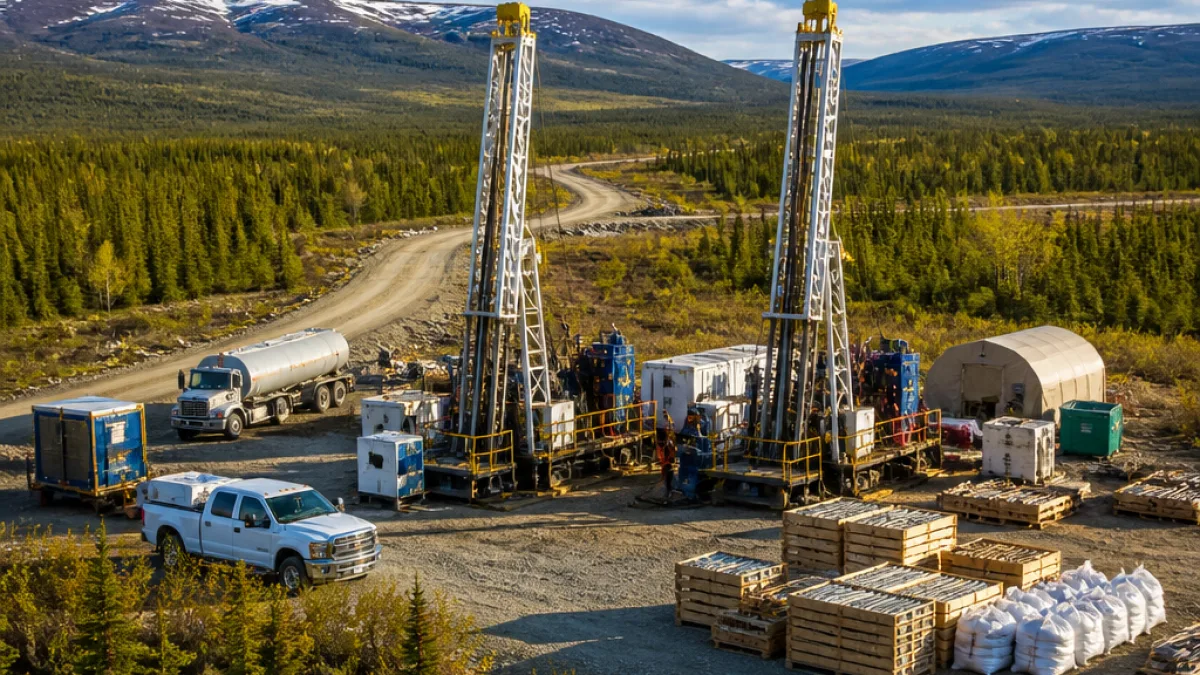
- use gravity separation and flotation to produce a monazite concentrate;
- prepare material for export while establishing technical links to later processing stages.
Officials present at the opening included Minister of Mineral and Petroleum Resources Gwede Mantashe, Minister of Electricity and Energy Dr Kgosientsho Ramokgopa and Deputy Minister of Mineral and Petroleum Resources Phumzile Mgcina, reflecting cross‑departmental interest in the project.
From concentrate to higher‑value products
Mintek and the Steenkampskraal operation already demonstrated laboratory‑scale processing that produced a high‑purity mixed rare earth oxalate‑carbonate. That result shows the technical pathway for future stages: converting monazite concentrate into refined rare earth compounds, which are inputs for magnets, electronics and other strategic technologies.
Phase 1 will initially supply the export market with concentrate, with first shipments scheduled before the end of 2026. The laboratory success serves as a technical bridge to later phases aimed at increasing in‑country beneficiation.
| Project element | Role |
|---|---|
| Steenkampskraal resource | Provides high‑grade ore (~14.5% TREO) |
| Phase 1 plant | Crushing, milling, gravity separation, flotation to produce monazite concentrate |
| Mintek | Applied research, metallurgy, laboratory production of higher‑purity products |
Mintek framed the project as an example of how research and technological development can extend the commercial value of mineral resources beyond extraction. The institution emphasised that achieving commercial‑grade products demands metallurgical problem‑solving and process optimisation, not only mining capacity.
Implications and next steps
The immediate outcome is exportable monazite concentrate and an operational demonstration of South African technical capability in rare earth processing. Longer term, the pathway outlined by Mintek suggests potential for downstream processing and greater beneficiation, should subsequent phases follow the laboratory evidence and secure the necessary investment and regulatory approvals.
For policy makers, investors and industry, the Steenkampskraal-Mintek partnership offers a practical test case for the national critical minerals strategy: combining resource quality, research institutions and industrial partners to capture more value within the country.
What to watch next: delivery of the first concentrate shipments before the end of 2026, any announced timelines or financing for downstream processing phases, and whether laboratory outputs translate to commercial‑scale refinement in South Africa.