
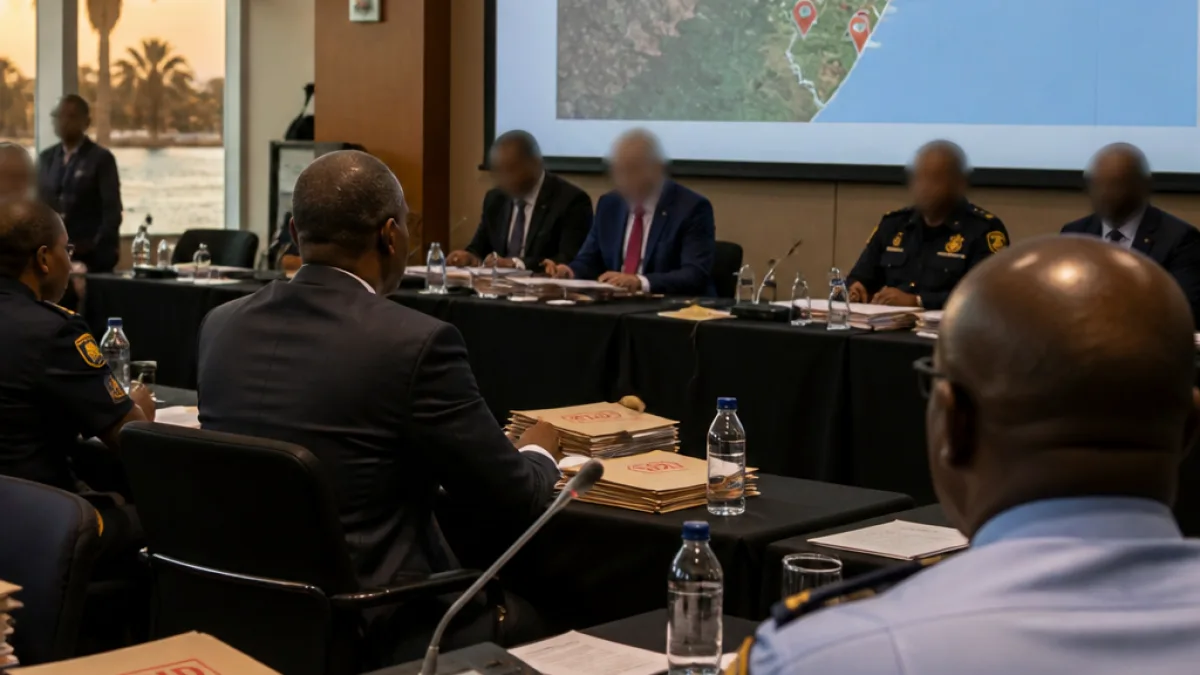
Durban — The Independent Police Investigative Directorate (Ipid) has told the Madlanga Commission of Inquiry that its investigations into deaths linked to South African Police Service (SAPS) task teams in KwaZulu‑Natal indicate some people were killed although they were not armed or had not attacked officers.
Scope of the investigations
Ipid’s KwaZulu‑Natal investigations deputy director Len John said the directorate is examining the deaths of 149 people that occurred between April 2023 and 31 May 2026. The fatalities are connected to operations by three specialised task teams set up to probe the illicit drug trade, the cash‑in‑transit industry and the taxi sector, John told the commission on Wednesday.
Although the Madlanga Commission, appointed by President Cyril Ramaphosa to examine the infiltration of the criminal justice system by corrupt elements, is not specifically mandated to investigate alleged extrajudicial killings, Ipid argued the evidence is relevant because of a risk that corrupt syndicates may influence police members involved in task‑team operations.
Allegations and patterns flagged
John said Ipid had identified patterns that raised serious concerns about the lawfulness of some shootings. In several scenes where multiple people were killed, investigators recovered far fewer firearms than the number of deceased would suggest.
"We have identified through our investigation that in these killings you will get a shooting where six people are shot and killed. When you do an investigation, you find only two firearms,"
He told the commission that police reports frequently assert the deceased fired first, but Ipid probes sometimes show victims were unarmed. That mismatch, John said, underpinned the directorate’s concerns about extrajudicial killings and the need to examine the conduct of task teams.
| Measure | Figure |
|---|---|
| Deaths under investigation | 149 |
| Period | April 2023–31 May 2026 |
| Task teams involved | 3 (drugs, cash‑in‑transit, taxi) |
Community and oversight implications
The allegations come amid public debate in KZN about policing tactics and accountability. Families of people killed in police operations and civil‑society organisations have raised concerns about the use of lethal force during arrests and raids, and whether proper investigative processes follow such incidents.
Ipid’s evidence to the commission aims to show patterns, not to determine criminal responsibility for individual officers. The directorate’s work could lead to referrals for criminal prosecution where investigations conclude force was not justified. It also feeds into the broader commission mandate to explore how criminal networks may have influenced law‑enforcement processes.
Practical questions for residents
For communities across KwaZulu‑Natal the Ipid revelations raise immediate practical questions about safety and redress:
- How will SAPS ensure operations respect the law and constitutional rights?
- What steps will be taken to improve transparency after lethal incidents?
- How can families access independent investigations and legal remedies?
At present, Ipid investigations proceed independently of SAPS internal disciplinary processes and possible criminal prosecutions, but outcomes vary depending on the quality of evidence and co‑operation from witnesses and investigators.
What happens next
The Madlanga Commission will continue receiving testimony and evidence relevant to its inquiry. Ipid’s presentation is likely to prompt calls for stronger oversight of task teams and a review of rules of engagement, particularly in operations targeting organised crime where the line between legitimate police action and unlawful use of force can be contested.
SAPS has legal obligations to justify the use of force and to co‑operate with independent oversight. Where Ipid finds evidence of wrongdoing, the directorate can recommend criminal prosecutions and disciplinary action.
As investigations unfold, communities in Durban and across KwaZulu‑Natal will be watching for clear steps to strengthen accountability, protect citizens’ rights and ensure that operations to disrupt organised crime do not themselves become a source of unlawful violence.
Reporting from Durban.














