Gauteng is intensifying measures to reduce road crashes, the provincial department of roads and transport announced on Tuesday, outlining a package of law enforcement, infrastructure repairs and public awareness interventions aimed at curbing fatalities and serious injuries.
Shared responsibility, provincial priority
Roads and transport MEC Kedibone Diale-Tlabela said road safety remained a priority for the province and urged motorists, pedestrians and public transport operators to cooperate with the department’s interventions. The department said its approach centres on three pillars: improved road safety education, strengthened enforcement and targeted infrastructure work.
“Road safety is a shared responsibility that directly affects our communities. Every life lost on our roads is one too many,” said Diale-Tlabela on Tuesday.
The department said the planned activities are being undertaken in collaboration with municipalities, traffic authorities and law enforcement agencies, with a sharper focus on areas where crash data shows higher incidence.
Where work will happen
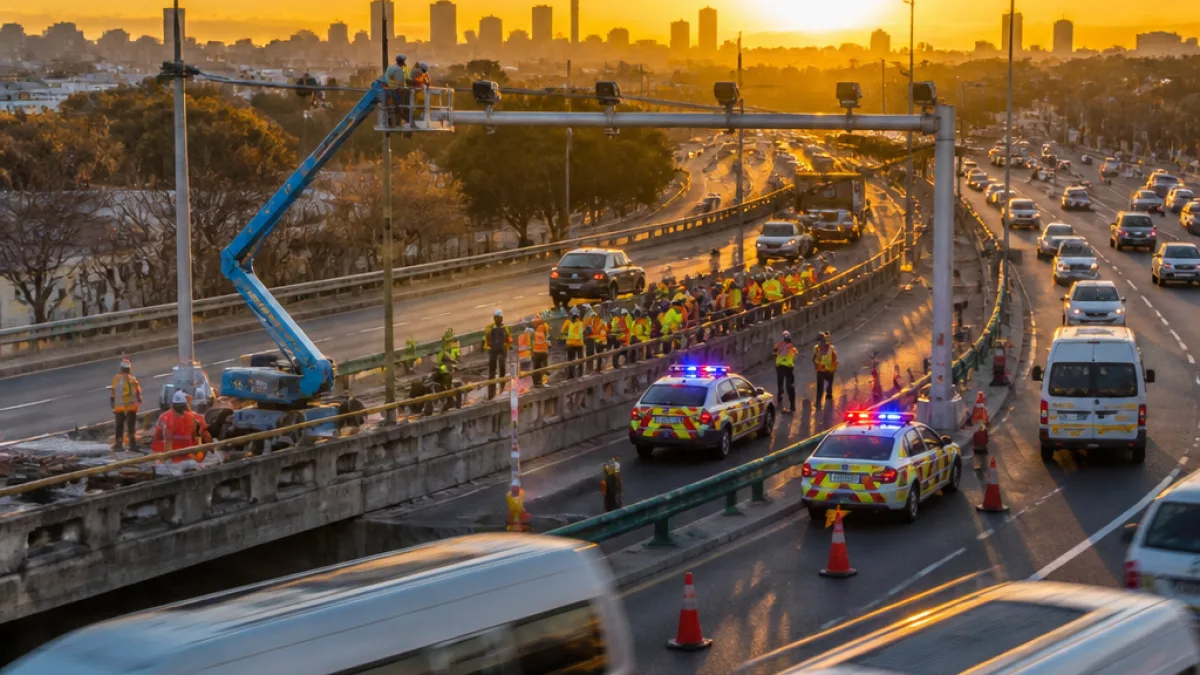
Upgrades and repairs to ageing bridges are scheduled in Tshwane, Mogale City and Sedibeng. The department also flagged general works to repair road defects and improvements to both surfaced and gravel roads as part of measures to improve structural safety and traffic flow.
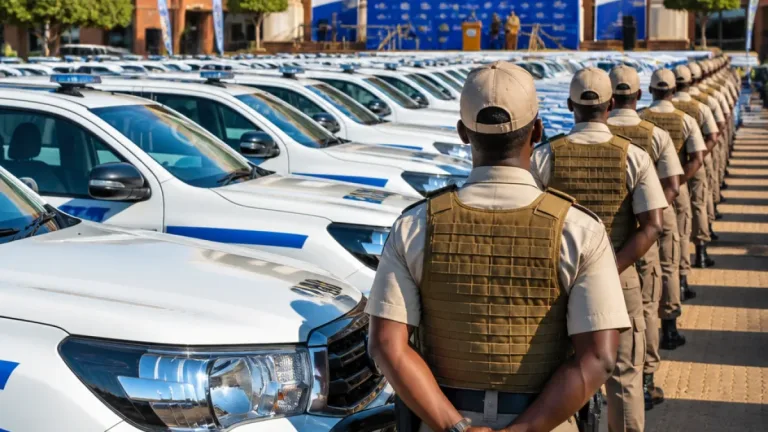
Alongside physical repairs, the department said it will deploy law enforcement officers along major routes to monitor compliance with road rules and to act as a visible deterrent against reckless driving.
- Infrastructure: bridge repairs, resurfacing and gravel road maintenance.
- Enforcement: increased patrols and traffic law enforcement on major routes.
- Technology: introduction of smart transport systems for monitoring and incident management.
- Education: public awareness campaigns targeting motorists, pedestrians and public transport operators.
Smart technology and incident management
The department said it would introduce smart transport technologies to improve traffic monitoring, incident management and traffic regulation. Details on the specific systems or timelines were not provided in the department statement.
These systems are intended to help authorities detect incidents more quickly and manage traffic flow during peak periods, the statement said. Motorists were cautioned to expect increased enforcement activities as traffic volumes rise.
Advice to road users
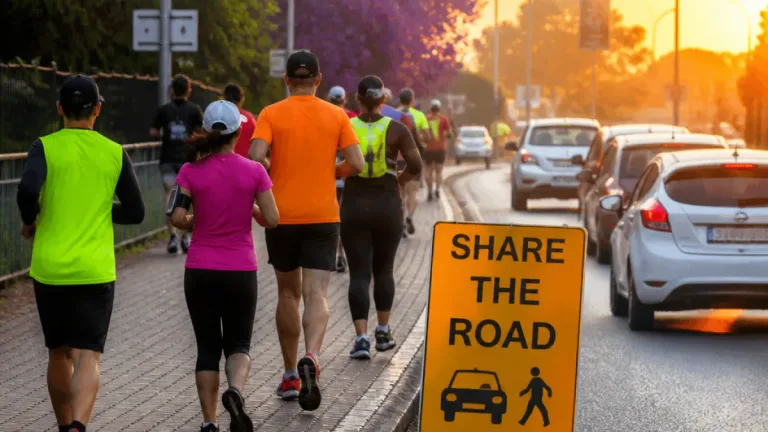
The department urged drivers to observe speed limits, maintain safe following distances and avoid negligent driving. Public transport operators — including taxi and bus drivers — were specifically warned against stopping on freeways to pick up or drop off passengers. Passengers should instead use designated facilities such as taxi ranks and bus stops.
Pedestrians were also reminded to cross roads at safe, designated crossing points or controlled intersections such as traffic lights and stop streets.
Local impact and what to watch for
For commuters and taxi users across Gauteng, the announced bridge repairs and resurfacing work may mean short-term disruption on affected corridors in Tshwane, Mogale City and Sedibeng. Motorists should plan for potential lane closures and follow traffic signs at work sites. The department did not publish a schedule or list of specific bridges and roads to be closed during repairs.
| Intervention | Expected benefit |
|---|---|
| Bridge repairs (Tshwane, Mogale City, Sedibeng) | Improved structural safety and traffic flow |
| Road resurfacing and gravel works | Fewer road defects that contribute to crashes |
| Smart transport tech | Faster incident detection and traffic management |
| Increased enforcement | Deterrence of speeding and reckless driving |
Residents living near busy arterial routes and public transport hubs should keep an eye on local municipality notices for precise timelines and detours. Community groups and ratepayer associations in crash-prone areas were mentioned as collaborators in the department’s rollout.
What the announcement does not say
The department’s statement did not supply a detailed budget, specific locations for every intervention, or a timetable for the roll-out of smart transport systems. It also did not publish metrics by which progress will be measured, such as target reductions in crashes or fatalities. These details will be important for communities and oversight bodies tracking whether interventions translate into fewer deaths and injuries.
As the province moves to implement its strategy, the department’s call for collective responsibility is clear: engineering fixes, cameras, and patrols can reduce risk, but safer roads will ultimately depend on day-to-day choices by drivers, pedestrians and operators of public transport.
Practical tips for road users
- Plan extra travel time in case of roadworks or enforcement checkpoints.
- Use designated taxi ranks and bus stops rather than stopping on high-speed roads.
- Cross at controlled intersections and marked crossings; avoid darting across traffic.
Details on specific work sites and enforcement schedules are expected to be released by the department and municipal traffic authorities in the coming weeks.
Reporting from Johannesburg.