
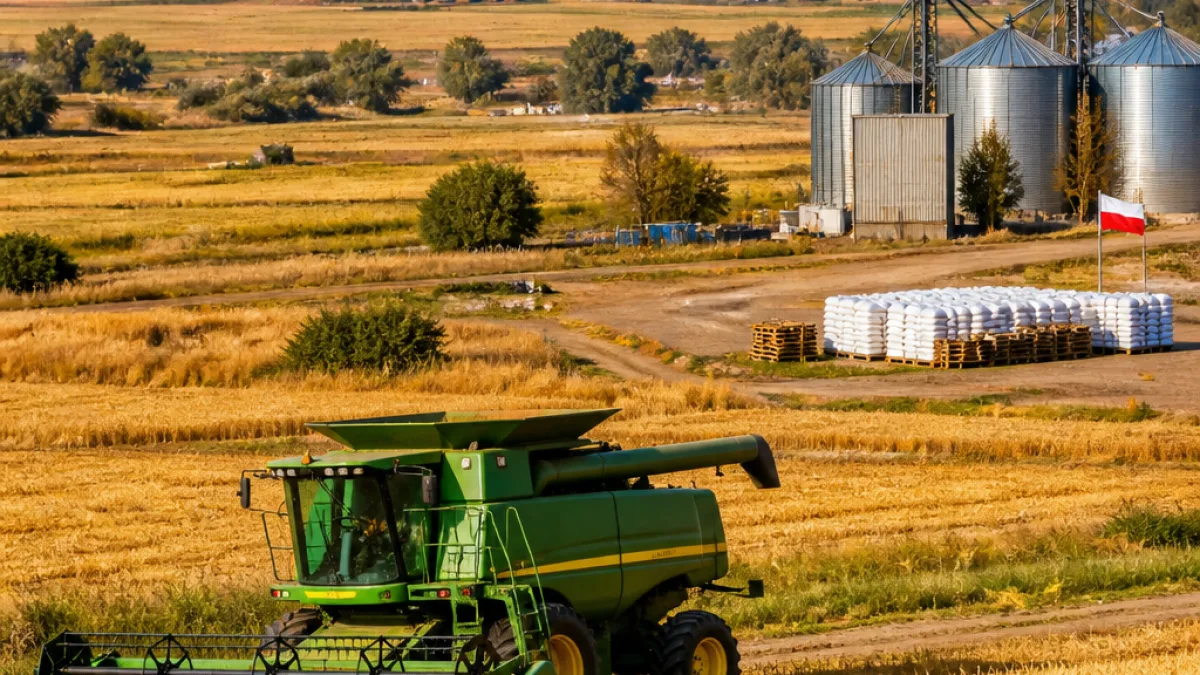
BLOEMFONTEIN — South Africa imported roughly 1.8 million tonnes of wheat from the world market between October 2025 and early September 2026, with about 23% of that coming from Poland, according to an analysis published on 13 September 2026. The figures underline a longer-term trend: the country now depends on imports for about half of its annual wheat consumption — a shift that has roots in changing farm economics and planting patterns across provinces including the Free State.
How planting and policy shifted production
The analysis traces the transition to higher wheat imports to the early 2000s. South Africa began importing more than 1 million tonnes per marketing year from 2003–04 onwards, after two decades during which imports averaged about R458,518 tonnes annually between 1989–90 and 2002–03. The change followed reduced area plantings and evolving market conditions after deregulation.
Before deregulation, commodity boards and price controls insulated local producers. Once markets were opened, farmers had to compete with global prices, squeezing margins for some producers. That pressure was felt keenly in the Free State, where wheat plantings declined from historical norms and many producers switched to more profitable crops.
Why the Free State matters
The Free State has historically been one of the province clusters able to produce milling-quality wheat, alongside the Western Cape and certain irrigated areas in the Northern Cape. But the province’s dry climate, combined with higher input costs and changes in relative crop returns, has seen growers reduce wheat hectares over the last three decades.
At the same time, improved yields have helped mitigate some of the lost area. National wheat yields rose from under 2.0 tonnes per hectare in 1997–98 to about 3.8 tonnes per hectare in the 2024–25 season. But the analysis warned the wheat sector remains vulnerable to drier weather and rising costs.
“The import surge resulted from increased consumption and a decline in area plantings,” the analysis said, adding that Free State production areas came under financial strain, prompting crop switching.
Where South Africa’s wheat came from
Between October 2025 and early September 2026, suppliers to South Africa included Poland, Russia and Lithuania, among others. The main shares reported were:
- Poland: ~23%
- Russia: ~15%
- Lithuania: ~14%
- Other countries made up the remainder.
The reliance on a diverse set of exporters helps spread supply risk, but it also leaves local markets exposed to international price swings and logistical disruptions.
| Metric | Value |
|---|---|
| Wheat imported (Oct 2025–Sept 2026) | 1.8 million tonnes |
| Share from Poland | ~23% |
| Estimated national yield (2024–25) | 3.8 t/ha |
Local impact and what to watch
For Free State farmers and consumers, the implications are practical. Reduced local planting can mean fewer input purchases and less agricultural activity in some districts, with consequences for labour and rural economies. For consumers and millers, imported wheat helps meet demand but exposes bakeries and food manufacturers to global price volatility and currency risk.
Key factors to watch going forward include:
- Seasonal rainfall and drought risk in the Free State and other grain areas;
- Input cost movements, notably fertiliser and fuel, which affect profitability of wheat versus other crops;
- Global grain prices and shipping conditions that influence import costs.
Improved yields over time show South African farmers can raise productivity, but the analysis cautions that yield gains alone may not be enough to reverse the long-term decline in planted area without better price signals or targeted support.
Provincial agricultural departments, commodity groups and farmer organisations continue to monitor both international markets and local production conditions. For Free State producers contemplating their crop mix, the choice remains a balance between expected returns, water availability and the risks posed by global markets.
Effective planning and timely weather information will be critical this season as the province negotiates another year of challenging climatic and economic conditions.














