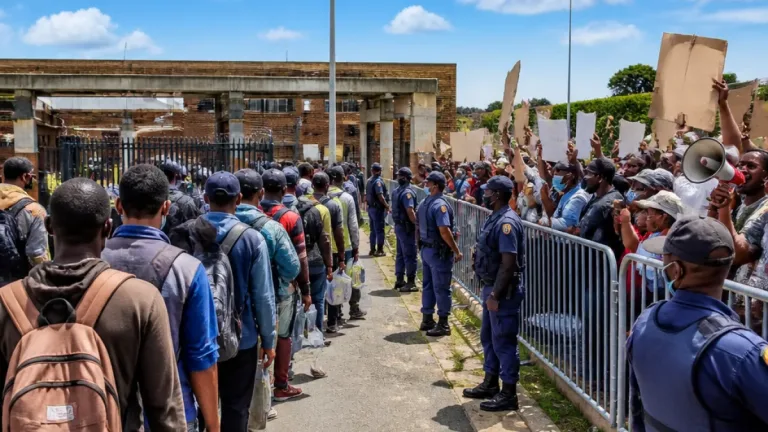
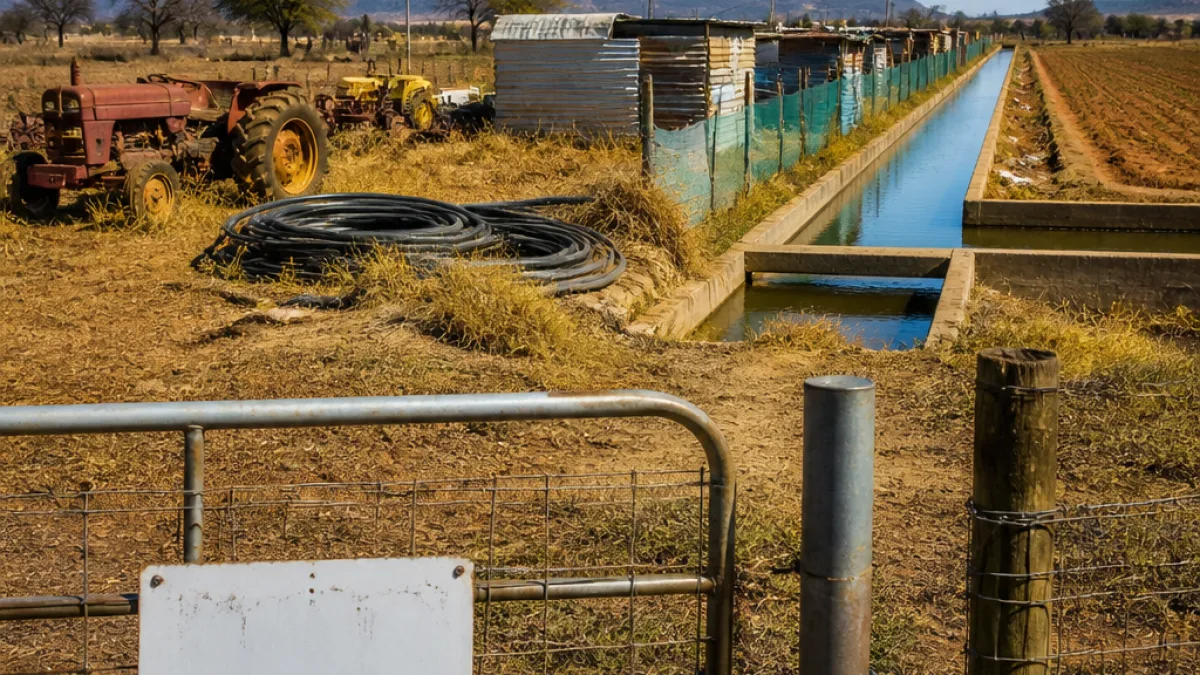
Praktiseer, Burgersfort — Emerging farmers who lease plots at the Tswelopolele irrigation scheme in Praktiseer, just outside Burgersfort, say they are unable to continue cultivating crops after local dwellers allegedly occupied their leased land. The farmers lease the land from the national Department of Agriculture, Land Reform and Rural Development but say their complaints have not been resolved, leaving them to pay rentals for land they cannot use.
Farmers pay but cannot farm, say affected growers
Farmers at the scheme told SABC News they have repeatedly alerted the department but have seen no meaningful action. They say the occupation began about a year and a half ago and has prevented them from accessing irrigation infrastructure and fields.
“Our problem is that we tried to inform Rural Development about the situation but they only said they are busy looking at this issue. Now it’s already a year and a half and we have never heard anything from Rural Development regarding this matter, that’s why we tried to exploit other avenues to get help.”
The farmers’ grievance highlights the fragile position of emerging producers who depend on leased state land and irrigation services to sustain incomes and supply local markets. They say continued rental payments are increasing their financial strain while yields — and confidence — fall.
Province says municipality must execute court order
Limpopo’s Department of Rural Development and Land Reform confirmed it is engaging the Fetakgomo-Tubatse Municipality to implement an existing court order. The department’s spokesperson, Avhashoni Magada, said the department will support the municipality but stressed that execution is the municipality’s responsibility.
Magada said the department is using formal channels to determine the steps required to give effect to the court order and that it remains committed to resolving the matter through legal and intergovernmental processes.
Local impact and wider implications
Farmers at Tswelopolele are predominantly emerging producers who rely on the scheme’s irrigation and access to markets. The alleged occupation affects:
- Crop production: planted hectares lie fallow or are at risk of damage.
- Household incomes: small-scale producers report loss of wages and cash flow.
- Service contracts: maintenance of irrigation infrastructure may be jeopardised if lease agreements are not enforceable.
- Local food supply: reduced output can ripple into local markets in and around Burgersfort.
Community tension can rise where access to productive land is contested. The situation also points to the complexity of land reform and the importance of timely cooperation between national departments and municipalities to administer and protect productive assets.
Who is responsible and what is next?
There are three principal actors in this dispute: the national department that owns and leases the land, the emerging farmers who hold leases and pay rentals, and the Fetakgomo-Tubatse Municipality, which the province says must carry out the court-ordered eviction or enforcement action.
| Party | Role | Current position |
|---|---|---|
| Department of Agriculture, Land Reform and Rural Development | Landowner and lessor | Engaging municipality; says it will assist with implementation |
| Fetakgomo-Tubatse Municipality | Responsible for executing court orders | Being engaged by the provincial department to determine steps |
| Emerging farmers at Tswelopolele | Leaseholders and producers | Unable to use leased land; continuing rental payments |
Residents, local stakeholders and agricultural extension officers will watch the municipality’s response closely. Implementation of court orders commonly requires administrative coordination, security arrangements and, at times, additional funding for restoration work.
Practical concerns for farmers
For affected farmers and others who lease state-owned irrigation land, the situation raises practical questions about safeguarding livelihoods while disputes are legally resolved. Options often include:
- Seeking interim relief from courts to protect access and assets.
- Documenting lease agreements, payments and losses for potential compensation claims.
- Engaging local agricultural unions or legal aid services for support.
The department’s promise of assistance to the municipality is an important step. But farmers and local markets will be watching for swift, concrete action that restores access to productive land and prevents similar disruptions elsewhere in the province.
Reporting from SABC News informs this article. The situation remains fluid; municipal and departmental correspondence or court records would clarify timelines for enforcement and any planned remedial measures.